
Size
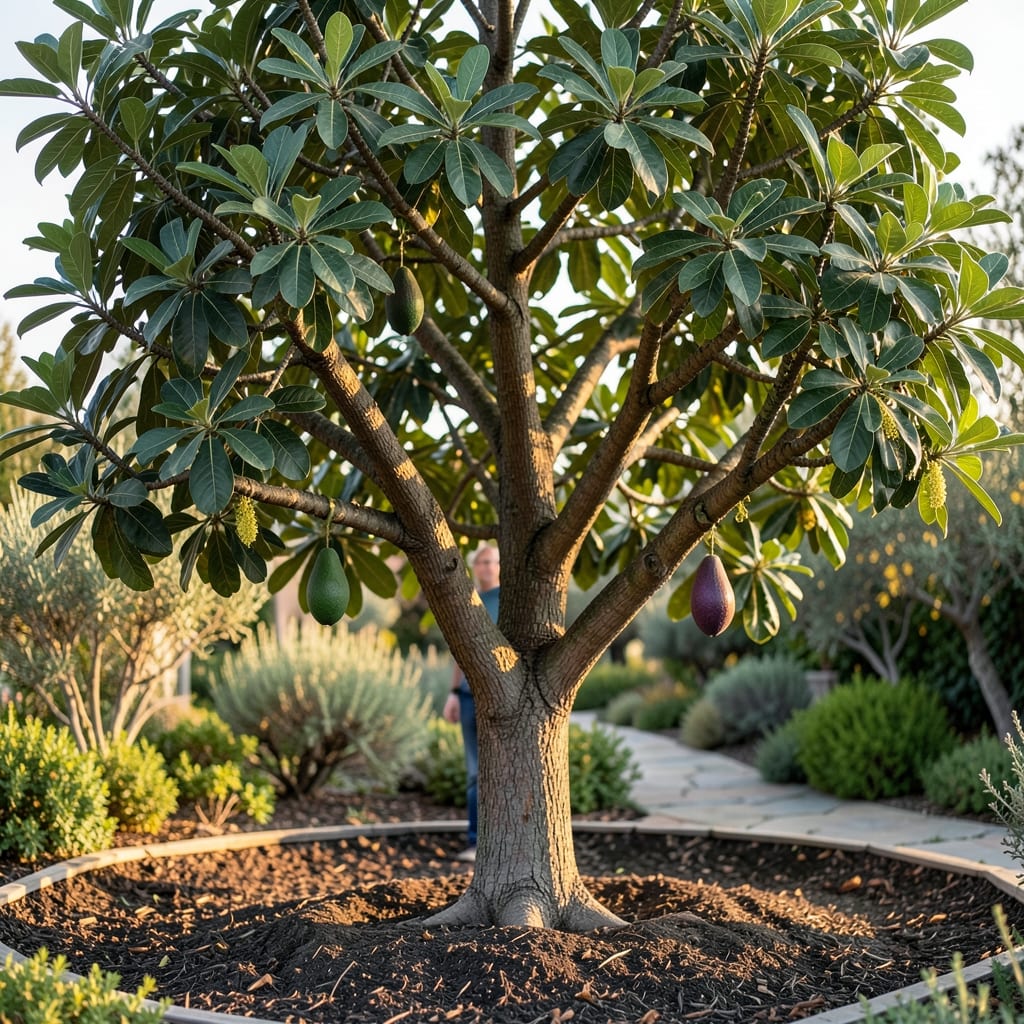
Wondering how tall avocado trees grow and whether your backyard can handle one? These tropical giants don't just stop at 20 feet—some varieties reach towering heights of 40 feet or more, making them a serious commitment for home gardeners.
If you're picturing a 🥑 tree that fits neatly in your yard, you'll need to plan carefully. Growth speed varies wildly depending on your climate, soil, and even the specific variety you choose. In ideal conditions, an avocado tree can shoot up 10 feet in its first year alone, leaving little room for doubt about its space needs.
But here's the good news: with the right approach, you can control its growth. Whether you're dealing with a dwarf variety or a standard tree, I'll show you exactly what to expect year by year—and how to keep it from becoming an unmanageable jungle in your landscape.
Let's break down the science behind avocado tree growth so you can make informed decisions about planting, pruning, and even container gardening options that might work for your space.


Avocado tree height progression by Year: what to expect in ideal growing conditions
Avocado trees are fast growers when conditions are right, but their height progression varies dramatically by variety and age. In perfect tropical climates with consistent warmth and well-draining soil, you can expect dramatic vertical growth—especially in the first 3 years. Let's break down the year-by-year milestones for the most popular varieties like Hass, Fuerte, and Bacon.
The first year is all about establishing roots, but don't let that fool you—your avocado seedling can still shoot up 5-10 feet if given ideal care. This rapid growth is why many gardeners start with dwarf varieties or plan for container gardening from the beginning. Without proper planning, you might find yourself with a 20-foot tree before you know it!
| Year | Standard Variety Height | Dwarf Variety Height | Growth Notes |
|---|---|---|---|
| Year 1 | 5-10 ft | 3-5 ft | Focus on root development; prune to encourage trunk strength |
| Year 2 | 15-20 ft | 8-12 ft | Major growth spurt; needs staking if windy |
| Year 3 | 25-30 ft | 12-16 ft | Canopy expands; begin light pruning to shape |
| Year 4+ | 30-40 ft | 16-20 ft | Mature height reached; focus on fruit production |
By Year 3, your standard avocado tree will likely surpass 25 feet, making it taller than most two-story homes. This is why dwarf varieties are so popular—they cap out around 16-20 feet, giving you the same fruit without the space commitment. The Bacon variety, for example, grows more slowly than Hass but still reaches 30 feet in ideal conditions.
One critical factor in this growth progression is the first flush of new leaves, which signals the tree's readiness to bolt upward. If you notice your tree putting out long, leggy growth without leaves, it's likely nutrient-deficient or underwatered. This is your cue to adjust your care routine immediately—your tree's future height depends on it!
In tropical climates like USDA Zone 11, avocado trees grow 2-3 times faster than in cooler subtropical zones. The Hass variety, for instance, can hit 20 feet in just 2 years with perfect conditions. But even in Zone 10, where winters are milder, you'll still see 15 feet of growth by Year 2 if you provide consistent moisture and balanced fertilization.
Pruning plays a huge role in managing height. If you want to control vertical growth, prune the topmost branches during the dormant season (late winter). This encourages lateral branching while slowing the upward surge. Just remember: never prune more than 25% of the canopy in one session, or you risk shocking the tree and stunting its growth entirely.
For container-grown avocados, height expectations drop significantly. A 5-gallon pot will limit your tree to 6-8 feet in height, while a 15-gallon container might allow 10-12 feet. The key is root pruning—cutting back roots every 1-2 years to keep the tree manageable. This mimics natural stress and encourages bushier growth rather than a single tall trunk.
Here's a pro tip: if you're growing avocados in cooler climates, consider winter pruning to remove any damaged or weak branches. This not only controls height but also prevents disease and ensures a stronger recovery come spring. Your tree will thank you with faster growth and better fruit production in the following seasons.
Finally, don't forget that soil quality directly impacts height. Amend your soil with compost and organic matter before planting—this gives your avocado tree the nutrients it needs to reach its full potential. In poor soil, you might see stunted growth or yellowing leaves, which can slow height progression by 30-50%.
With the right care, your avocado tree could be harvest-ready in 3-5 years, even if it's still growing tall. The key is patience and consistent maintenance—your future 🥑 harvest depends on it!
How climate zones affect avocado tree growth height and speed
Your avocado tree's height potential isn't just about variety—it's heavily influenced by your climate zone. In USDA Zones 10-11, where temperatures stay above 20°F year-round, avocado trees grow aggressively, often reaching 30 feet in just 3 years. But move to Zone 9, where winter lows dip to 20-30°F, and you'll see slower growth—sometimes 50% slower—due to winter dormancy.
This climate impact explains why Hass avocados thrive in Zone 11 but struggle in Zone 8. The Fuerte variety, while more cold-tolerant, still needs Zone 9 or warmer to reach its 30-foot mature height. In cooler zones, expect stunted growth unless you use container gardening with winter protection.
| USDA Zone | Year 2 Height | Year 3 Height | Growth Notes |
|---|---|---|---|
| Zone 11 (Tropical) | 20-25 ft | 30-35 ft | No winter dormancy; year-round growth |
| Zone 10 (Subtropical) | 15-20 ft | 25-30 ft | Mild winters slow growth slightly |
| Zone 9 (Marginal) | 10-15 ft | 18-22 ft | Winter pruning required; stunted without protection |
The biggest climate challenge is winter. In Zone 9, temperatures below 32°F can kill young avocado trees unless you mulch heavily or plant in containers that you can move indoors. Even in Zone 10, cold snaps cause leaf drop, which stalls growth until spring. That's why I recommend winter pruning in cooler zones—removing weak branches before cold sets in helps the tree redirect energy to root development.
For container-grown avocados, climate control becomes even more critical. A 15-gallon pot in Zone 10 might limit your tree to 12 feet, but with heated grow lights and consistent warmth, you can push it to 15 feet. The key is root temperature—avocados need soil temps above 60°F to grow. In cooler zones, use black plastic mulch to warm roots naturally.
One surprising factor is humidity. High humidity in Zone 11 can actually slow growth if not balanced with good airflow. Without proper circulation, fungal diseases like root rot develop, causing stunted height. In these climates, I prune to create an open canopy and use fungicide sprays preventatively. This keeps trees growing vertically rather than struggling with horizontal spread.
If you're in Zone 8 or cooler, forget standard avocados—opt for dwarf varieties or grafted trees on dwarf rootstock. These stay under 16 feet even with winter dormancy. Pair this with microclimates (like south-facing walls) to give your tree extra warmth. With the right setup, you can still grow avocados in Zone 8b, though expect slower height progression and smaller fruit.
Remember: climate adaptation is about more than just temperature. Wind exposure, soil pH (avocados prefer 6.0-7.0), and rainfall patterns all play roles. In dry climates, you'll need drip irrigation to maintain consistent moisture—underwatering causes height stunting as the tree focuses on survival. With the right adjustments, even Zone 9 gardeners can coax their avocados to 20 feet in 3 years!