
Size
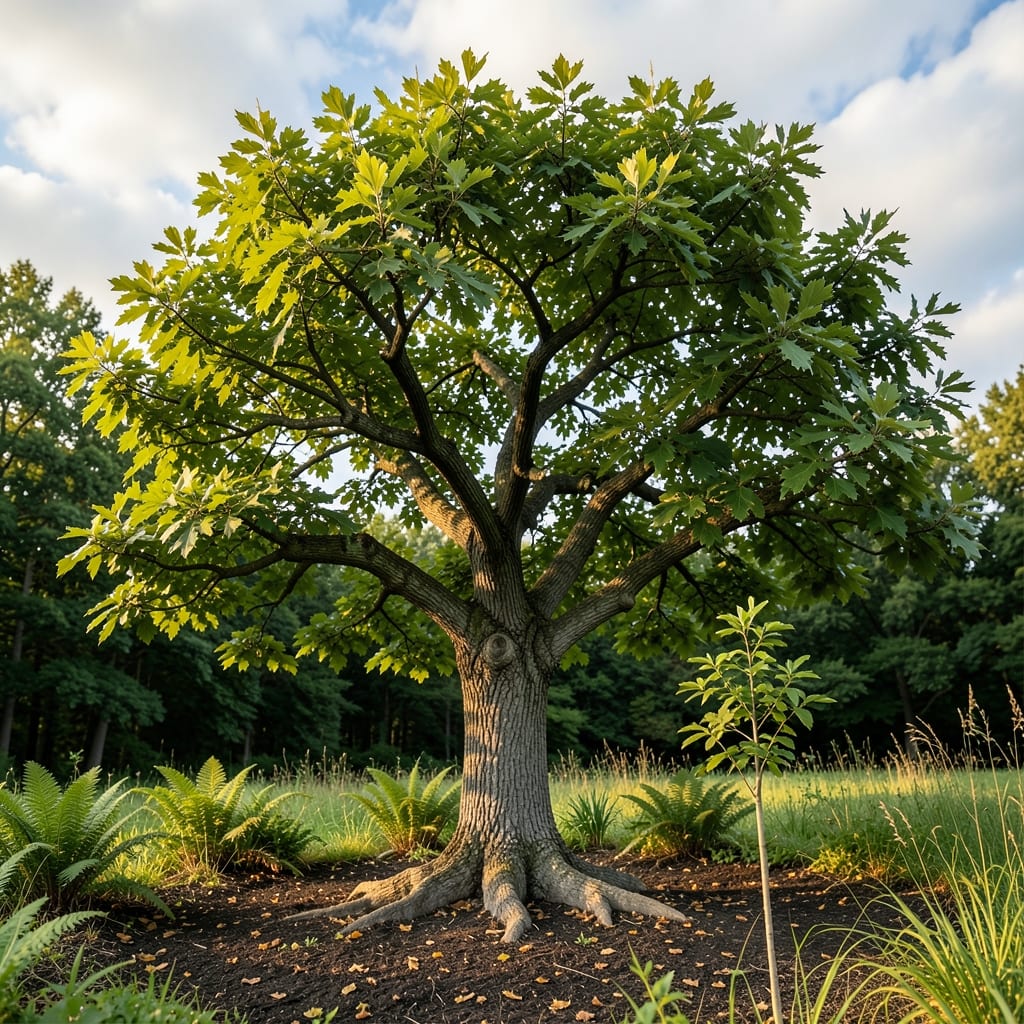
If you're wondering how tall do American Elm trees grow, the answer might surprise you—especially when you're working with limited space in your yard. These iconic 🌳 trees can reach an impressive 40 to 80 feet at maturity, making them a stunning but space-demanding addition to any landscape.
But here's the good news: with the right pruning techniques, you can enjoy their beauty without sacrificing your outdoor space. Whether you're in USDA Zone 6a or another suitable climate, understanding their growth habits is key to keeping them manageable while still showcasing their elegant form.
In this guide, I'll break down everything you need to know about American Elm height, from their natural growth patterns to practical tips for controlling their size. You'll learn how to maintain their majestic presence while adapting them to smaller yards—no compromise on beauty, just smarter growth management.
Let's explore how to keep your American Elm thriving, even when space is limited, so you can enjoy its classic charm without the full-size footprint. Ready to discover the secrets to space-saving pruning?


American elm tree height: natural growth range and space requirements
American elm trees (Ulmus americana) are known for their striking, vase-shaped canopies and resilience, but their height potential can be a game-changer for small yards. These trees typically reach 40 to 80 feet at maturity, with some exceptional specimens surpassing 100 feet in ideal conditions. That's taller than a 3-story building!
Understanding their growth rate is key—young elms grow about 2 to 4 feet per year in optimal conditions, but this slows as they mature. Their canopy spread of 30 to 50 feet further impacts how much space they’ll occupy, making them better suited for spacious lawns or parks than tight urban gardens.
However, their root systems are another critical factor. American elms develop extensive, shallow roots that spread widely, which can encroach on sidewalks or foundations if planted too close to structures. This makes proper spacing essential—plant them at least 50 feet from buildings and 30 feet from other trees to avoid future conflicts.
If you're in USDA Zone 6a (where these trees thrive), you’ll find they adapt well to full sun and medium moisture, but their height can be influenced by soil quality, water availability, and pruning habits. Well-drained, slightly acidic soil promotes healthier growth, while poor soil or drought stress can stunt their development.
Here’s where many gardeners face a dilemma: the iconic beauty of an American elm often comes with space trade-offs. Their natural height and spread make them less ideal for small yards, but with strategic pruning, you can manage their size while preserving their elegant form. Let’s explore how their growth habits compare in real-world scenarios.
🌱 American Elm Tree Growth Summary
| Growth Stage | Height Range | Canopy Spread | Space Needs |
|---|---|---|---|
| Year 1 | 2–4 ft | 1–2 ft | Minimal (young sapling) |
| Year 5 | 15–25 ft | 10–15 ft | Moderate (plant 20+ ft from structures) |
| Mature (20+ years) | 40–80 ft | 30–50 ft | Large (50+ ft from buildings) |
| Pruned Regularly | 30–50 ft (controllable) | 20–30 ft (manageable) | Adaptable (smaller yards with care) |
One common misconception is that American elms grow uncontrollably, but their height is heavily influenced by pruning practices and environmental conditions. For example, trees in urban settings with limited sunlight may grow more slowly and stay shorter than those in rural areas with abundant space and nutrients.
If you’re considering planting an American elm in a small yard, focus on selective pruning early on to shape its growth. Removing lower branches can reduce its overall height while maintaining its iconic silhouette. Additionally, their disease susceptibility (like Dutch elm disease) can sometimes limit their full growth potential, so choosing disease-resistant cultivars like 'Valley Forge' or 'New Horizon' can help.
For those with limited space, it’s worth noting that American elms are not the only option for shade-providing, ornamental trees. Smaller alternatives like the Chinese elm (Ulmus parvifolia) or hackberry (Celtis spp.) offer similar beauty with a fraction of the height. We’ll explore these options in more detail later, but for now, focus on how to maximize your American elm’s potential in the space you have.
Remember, the key to managing an American elm’s height lies in proactive care. Regular pruning, proper spacing, and disease management can make all the difference in keeping this majestic tree both healthy and space-friendly. With the right approach, you can enjoy its classic charm without the overwhelming footprint.
Space-saving pruning techniques to control American elm growth
If your dream of planting an American elm tree feels limited by your yard’s size, don’t worry—strategic pruning techniques can help you manage its height while preserving its iconic beauty. The key is to prune during the dormant season (late winter), when the tree is less stressed and more responsive to shaping. Start by removing dead, diseased, or crossing branches first, as these can stunt healthy growth if left unchecked.
For height control, focus on crown reduction, which involves selectively trimming back the upper canopy to limit vertical growth. Aim to remove no more than 25% of the canopy in a single session to avoid shocking the tree. Use sharp, clean tools to make clean cuts just outside the branch collar—this promotes faster healing and reduces the risk of disease.
Another effective method is structural pruning, which involves training the tree’s main branches to grow at specific angles. This not only controls height but also improves airflow through the canopy, reducing the risk of fungal diseases like Dutch elm disease. For example, you can encourage a lower, wider canopy by pruning the upper branches more aggressively while leaving lower branches intact.
🌱
🪴 Step-by-Step Pruning Guide
- Step 1: Prune in late winter (before buds swell).
- Step 2: Remove dead/diseased branches first with sterilized tools.
- Step 3: Thin out 25% of canopy to reduce height.
- Step 4: Shape branches at 45-degree angles for structural support.
- Step 5: Seal cuts with pruning sealant (optional for larger wounds).
Timing is everything when it comes to pruning American elms. Avoid pruning in summer or fall, as this can stress the tree and make it more susceptible to pests and diseases. Instead, plan your pruning sessions for late winter or early spring, just as new growth begins. This timing allows the tree to heal quickly and encourages robust growth in the following season.
For those with very limited space, consider selective limb removal to create a more compact form. By removing the largest branches near the top, you can reduce the tree’s overall height by up to 30% over time. Just be sure to leave at least 3-4 main branches to maintain structural integrity and ensure the tree remains stable.
Regular maintenance is the secret to keeping your American elm under control. Schedule a light pruning session every 1-2 years to remove any new growth that exceeds your desired height. With consistent care, you can enjoy the elegance of an American elm without the overwhelming footprint. Just remember—patience and precision are key to achieving the perfect balance between beauty and space.