
Size
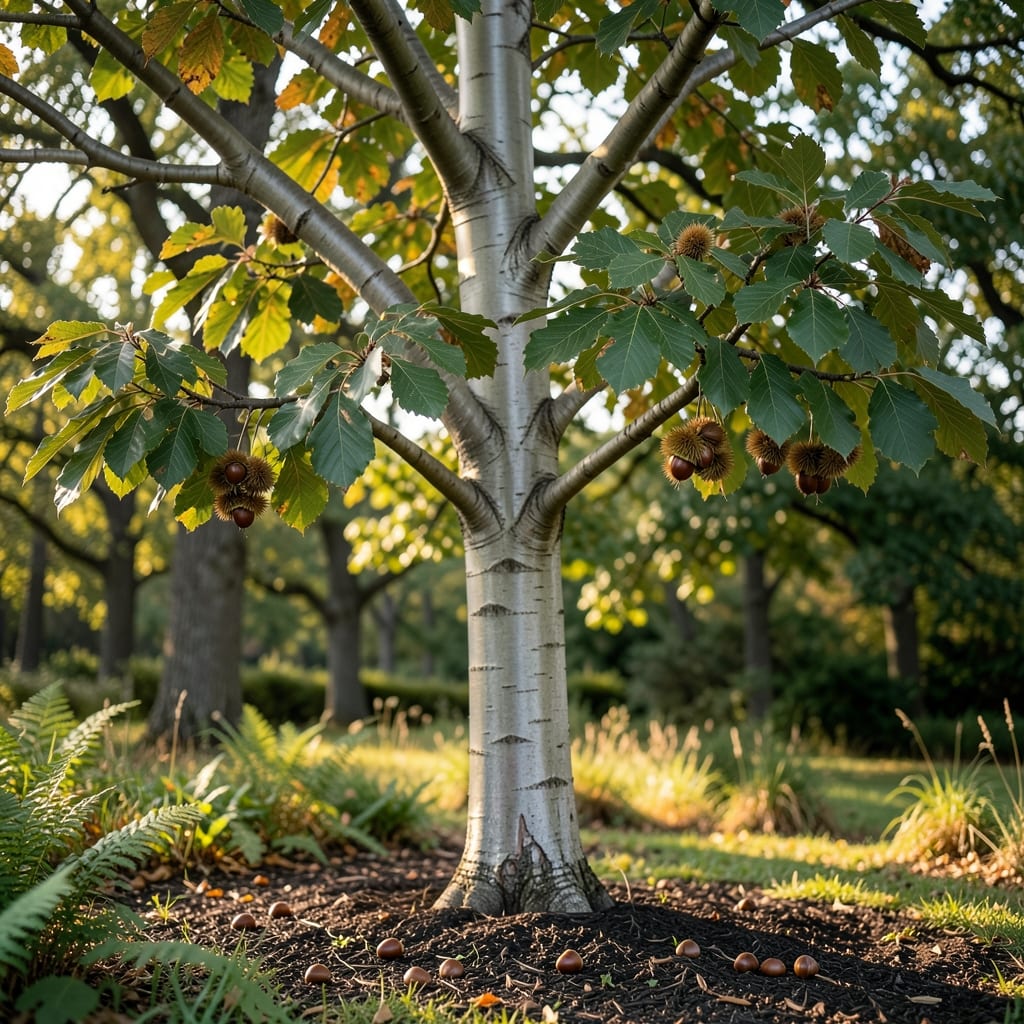
If you’ve ever dreamed of planting a towering American Chestnut Tree 🌳, you might be surprised to learn how tall these trees can grow—reaching heights of 60 to 100 feet in their prime. Once a dominant force in Eastern forests, these giants were decimated by blight in the early 1900s, leaving behind a shadow of their former glory.
The American Chestnut Tree’s historical height made it one of the most impressive species in North America, but today’s disease-resistant cultivars rarely grow that tall. While modern varieties typically max out around 40 to 60 feet, they still pack a punch in terms of resilience and ecological value.
So, what’s the deal with their height today? It comes down to genetics, growing conditions, and a little bit of human intervention. Whether you’re restoring a forest or adding one to your landscape, understanding these factors is key to nurturing a tree that lives up to its legendary past.
Let’s break down the science behind their growth—from historical giants to the modern trees shaping our forests today—and what you need to know before planting one of your own.


Historical heights of American Chestnut trees before the blight
The American Chestnut Tree 🌳 once ruled Eastern forests with stature that put it in the same league as redwoods. Before the chestnut blight of the 1900s, these trees routinely reached 80 to 100 feet tall, with some specimens soaring even higher. Historical records from the late 1800s describe trees with trunks wider than 6 feet and canopies spanning over 100 feet wide.
These giants weren’t just tall—they were ecological powerhouses. A single mature American Chestnut could produce up to 500 pounds of nuts annually, feeding wildlife from squirrels to deer. Their deep roots also prevented soil erosion, making them a cornerstone of forest health. Imagine a tree that could live 200 to 300 years and dominate an entire landscape—until disease struck.
By the 1930s, the fungal blight had killed nearly every mature American Chestnut in the wild. The trees that remained were stunted, rarely growing beyond 20 to 30 feet before succumbing. This dramatic shift left a void in forests, but modern science is slowly bringing back the historical giants—though not quite at their original heights.
To put their size into perspective, a 100-foot American Chestnut would tower over a 3-story building, with branches thick enough to support a family picnic. Their bark was deeply furrowed, and their leaves could grow up to 7 inches long. These weren’t just trees—they were living skyscrapers of the forest.
| Characteristic | Historical American Chestnut | Modern Disease-Resistant Varieties |
|---|---|---|
| Average Mature Height | 80–100 ft | 40–60 ft |
| Trunk Diameter | 4–6 ft | 1–3 ft |
| Canopy Spread | 80–100 ft | 30–50 ft |
| Lifespan | 200–300 years | 100–150 years |
| Blight Resistance | None | High (hybridized) |
What made these trees grow so tall? A combination of genetics, ideal growing conditions, and lack of competition in old-growth forests. Historical accounts describe chestnuts growing in rich, well-drained soils with full sun exposure, conditions that modern trees still thrive in today—though their heights are now limited by disease-resistant genetics.
One of the most famous historical specimens, the "Chestnut King," stood in West Virginia and reached an estimated 120 feet tall before the blight. Its fall marked the beginning of the end for the species in the wild. Today, scientists are working to restore these trees, but the height trade-off for blight resistance is a reality most gardeners and foresters must accept.
If you’re dreaming of planting an American Chestnut, remember: while you won’t see a 100-foot giant in your backyard, the modern cultivars still offer beauty, resilience, and ecological benefits. With the right care, they can still reach 60 feet or more, making them a stunning addition to any landscape—just not quite the titans of the past.
Next, we’ll explore how modern disease-resistant varieties compare in height and what you can do to maximize their growth potential. The story of the American Chestnut isn’t over—it’s just being rewritten.
Modern cultivar heights: what to expect from disease-resistant varieties
Today’s disease-resistant American Chestnut cultivars like 'Dunstan' and 'Monument' are a far cry from their 100-foot ancestors—but they still pack an impressive punch. These hybrids typically reach 40 to 60 feet tall at maturity, with some exceptional specimens surpassing 70 feet under ideal conditions. While not quite the giants of old, they’re a remarkable comeback for a species once thought lost forever.
The key difference lies in their genetic makeup. Modern cultivars are bred to resist the chestnut blight fungus, which means their growth energy is diverted toward disease resistance rather than skyward expansion. However, this trade-off hasn’t stopped them from becoming a staple in reforestation projects across the Eastern U.S. Their faster growth rates in early years make them a practical choice for landowners looking to restore ecosystems.
| Variety | Mature Height | Growth Rate (First 10 Years) | Blight Resistance |
|---|---|---|---|
| 'Dunstan' | 50–65 ft | 3–5 ft/year | High |
| 'Monument' | 40–55 ft | 2–4 ft/year | Very High |
| 'Sargent' | 60–70 ft | 4–6 ft/year | Moderate |
| 'Bushnell' | 35–45 ft | 2–3 ft/year | High |
If you’re planting a modern American Chestnut, expect your young sapling to grow 2 to 4 feet per year in its first decade. With proper care—including well-draining soil, full sun exposure, and regular watering—you can push some varieties toward the higher end of their height range. For example, the 'Sargent' cultivar is known for its faster growth and can reach 60 to 70 feet under optimal conditions.
To maximize height, focus on soil quality and pruning practices. Amend your planting site with compost-rich soil to encourage deep root development, and avoid heavy pruning in the early years. Let the tree establish its central leader to promote vertical growth. Even in smaller landscapes, a 40-foot chestnut will still make a statement—just give it space to thrive!
One common misconception is that modern chestnuts won’t produce nuts. While some hybrids focus on disease resistance over fruit production, others like 'Dunstan' still yield edible chestnuts, though in smaller quantities than their historical counterparts. This makes them a dual-purpose tree for both ecological restoration and home orchards.
Ready to plant? Choose a disease-resistant cultivar suited to your climate, and give it room to grow. With patience and care, your American Chestnut could one day rival the great giants of the past—just on a slightly smaller scale. 🌳