
Succulent
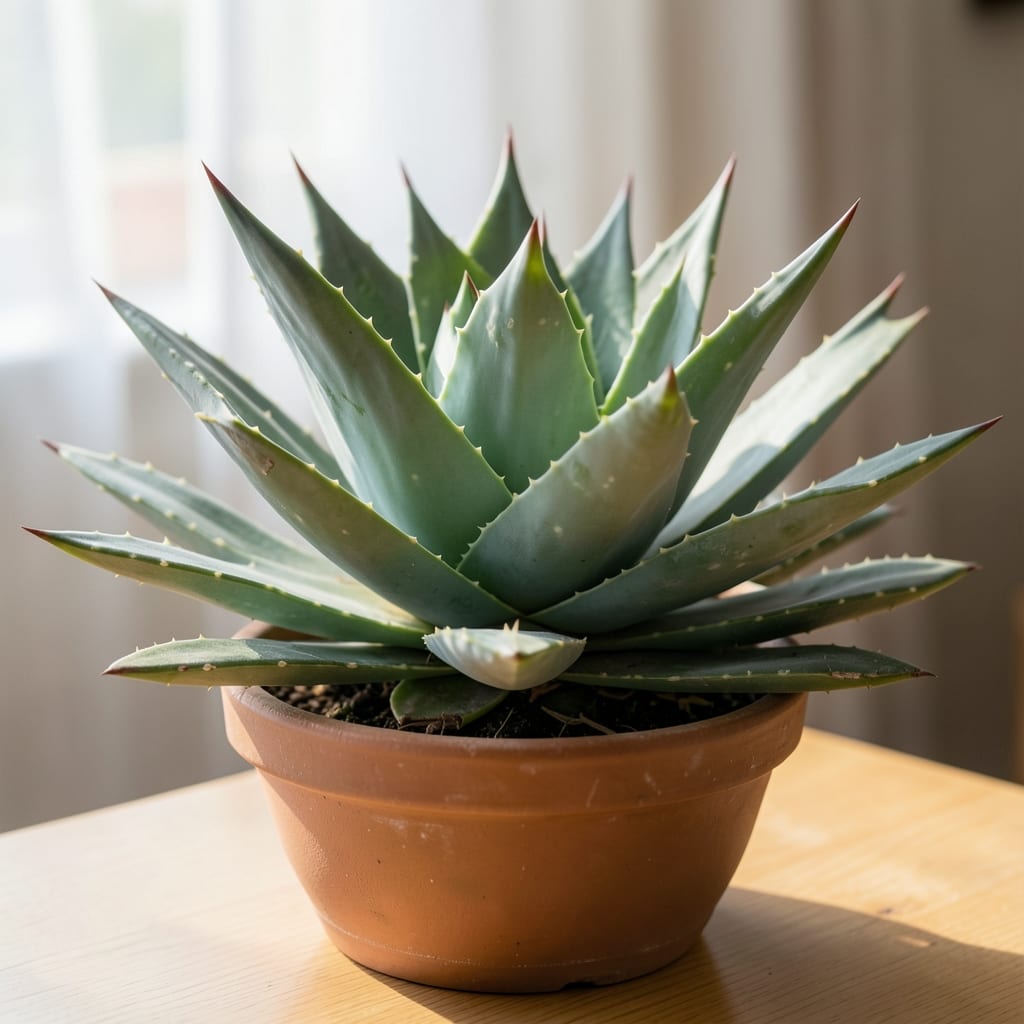
If you're wondering how tall do aloe vera plants grow, the answer might surprise you—especially if you're picturing a tiny windowsill plant. The truth is, your 🌱 aloe vera could stay compact at just 12 inches or stretch toward the ceiling at 3 feet, depending on the variety and care you provide.
Most gardeners grow the classic Aloe barbadensis miller, which typically reaches 2-3 feet in height when mature. But here's the catch: whether your plant stays small or soars depends on factors like sunlight, pot size, and even your local climate in USDA Zone 6. Some varieties, like the rare Aloe dichotoma, can even grow up to 15 feet in ideal conditions!
If you're working with limited space, don't worry—there are ways to control your aloe's growth. Proper pruning, repotting, and even choosing dwarf varieties can keep your plant at a manageable height. Let's explore how to get the perfect size for your home or garden.
Whether you're a beginner or a seasoned plant parent, understanding these growth factors will help you nurture a healthy aloe vera that fits your space—and your lifestyle. Ready to learn how to manage your plant's height like a pro?


Aloe vera plant height by variety: small to towering species compared
When you ask how tall do aloe vera plants grow, the answer varies dramatically depending on the specific variety you're growing. The most common type, Aloe barbadensis miller, typically reaches 2-3 feet in height, making it perfect for kitchen windowsills or small desks. But if you're open to exploring other varieties, you'll find options ranging from tiny 6-inch plants to towering 15-foot giants.
For gardeners with limited space, Aloe aristata (also called the star aloe) is an excellent choice, staying under 12 inches tall while still producing stunning rosettes. Its compact size makes it ideal for terrariums or small pots. On the opposite end of the spectrum, Aloe dichotoma—commonly called the quiver tree—can grow up to 15 feet in its native South African habitat, though it's rare in home collections.
Here’s a quick comparison of popular aloe varieties and their mature heights to help you choose the perfect fit for your space:
| Variety | Mature Height | Growth Habit | Ideal Environment |
|---|---|---|---|
| Aloe barbadensis miller | 2-3 ft | Rosette-forming | Indoor/outdoor, full sun |
| Aloe aristata | 6-12 in | Compact rosette | Indoor, bright light |
| Aloe brevifolia | 1-2 ft | Low-growing, spreading | Outdoor, well-draining soil |
| Aloe dichotoma | Up to 15 ft | Tree-like, branching | Arid climates, full sun |
| Aloe striata | 1-2 ft | Clumping rosettes | Indoor/outdoor, bright light |
| Aloe saponaria | 3-5 ft | Tall, branching | Outdoor, warm climates |
| Aloe zebrina | 1-2 ft | Compact, striped leaves | Indoor, bright light |
If you're growing Aloe barbadensis miller, the most popular variety for medicinal and ornamental use, expect it to reach its mature height of 2-3 feet within 2-3 years of planting. However, if you're in USDA Zone 6 or colder, your plant may grow more slowly due to shorter growing seasons. In warmer zones like Zone 10, aloe vera can grow faster and reach its full height sooner.
For those with limited space, varieties like Aloe aristata or Aloe zebrina are perfect for small pots or even desk gardens. These dwarf varieties stay under 12 inches tall but still offer the same care-free benefits as larger aloe plants, including drought tolerance and low-maintenance growth. Just ensure they get plenty of bright, indirect light to prevent leggy growth.
If you're dreaming of a dramatic statement plant, consider Aloe dichotoma or Aloe saponaria, which can grow tall enough to become a focal point in your garden. However, these varieties require more space and may not thrive indoors unless you have a sunroom or greenhouse with ample light.
🌱
Factors that limit or extend aloe vera growth height
Aloe vera's mature height isn't set in stone—it's shaped by your care routine and environment. The most critical factor is sunlight exposure. Aloe thrives in 6+ hours of direct sun daily, which fuels vertical growth. Without enough light, your plant may stay stunted at just 12-18 inches tall, even if it's a larger variety. Place your aloe near a south-facing window or under grow lights for optimal growth.
Your pot size plays a surprising role too. Aloe vera grows taller when root-bound, but this can also stress the plant. If you notice roots circling the pot, it's time to repot into a container 1-2 inches larger. This encourages wider growth rather than upward stretching. For dwarf varieties like Aloe aristata, keep them in small pots to maintain their compact 6-12 inch height.
⚠️ Warning: Overwatering Stunts Growth
Aloe vera's drought tolerance is legendary, but overwatering can shrink your plant's potential height by up to 30%. When soil stays soggy, roots suffocate, forcing the plant to divert energy to survival rather than growth. Always let the top 2-3 inches of soil dry between waterings, even in summer.
Signs of overwatering: Yellowing leaves, mushy base, or a stunted growth despite proper sunlight.
Don't overlook soil drainage—this is non-negotiable for aloe vera. Heavy, clay-based soils can restrict root development, limiting your plant's height potential. Mix cactus/succulent soil with perlite or pumice for optimal drainage. In USDA Zone 6, where winters can be chilly, ensure your soil stays well-aerated to prevent root rot during dormancy.
Pruning techniques can also influence height. Regularly removing lower, dried leaves encourages new growth from the base, creating a fuller, bushier plant rather than a tall, leggy one. For varieties prone to overgrowth, like Aloe barbadensis miller, prune the tallest stems to redirect energy toward lateral growth. Always use sterilized pruners to prevent infections.
Your local climate zone matters too. Aloe vera grows fastest in warm, dry climates (Zones 8-11). In cooler zones like Zone 6, growth slows significantly, often capping mature height at 2 feet instead of 3. To compensate, bring potted aloe indoors during winter or use a grow light for 4-6 hours daily to maintain growth momentum.
Finally, fertilizer type affects height. Aloe vera needs low-nitrogen fertilizer (like 2-7-2 NPK) to prevent leggy growth. Too much nitrogen makes plants grow tall and weak, while balanced feeding promotes compact, sturdy growth. Feed lightly in spring and summer, then stop fertilizing in fall/winter when growth slows.