
How To
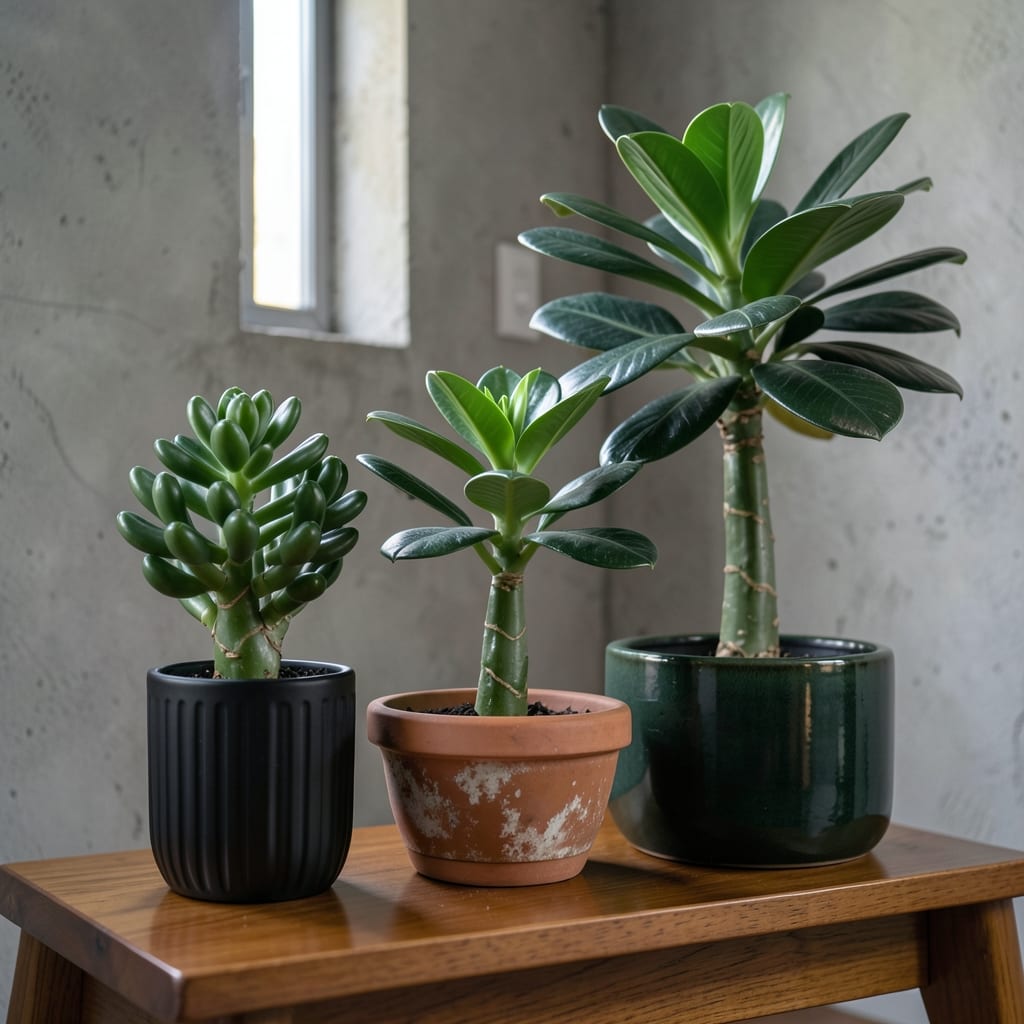
If you've ever wondered how tall can ZZ plant grow before it starts dominating your space, you're not alone. This hardy houseplant can reach surprisingly impressive heights—up to 4 feet indoors—but its growth depends on more than just genetics.
Most ZZ plants (Zamioculcas zamiifolia) mature between 2 to 3 feet, making them perfect for desks or shelves without taking over. The key to controlling its size lies in light exposure, pot size, and pruning habits—all of which I’ll break down so you can keep your 🌿 thriving and tidy.
Whether you're dealing with a leggy plant stretching toward the ceiling or a compact one staying stubbornly small, understanding these factors will help you shape its growth. Let’s explore how to nurture your ZZ plant for the ideal height—without sacrificing its lush, low-maintenance charm.
From indoor growth quirks to outdoor potential (yes, it can handle it!), I’ll cover everything you need to know to keep your ZZ plant at your desired height—whether that’s a bushy 2-foot beauty or a towering statement piece.


Natural height limits of ZZ plants: what science says
The ZZ plant's natural height depends on its growing conditions, but most mature plants reach 2 to 3 feet tall indoors. In rare cases, especially with optimal care, they can stretch up to 4 feet, though this requires ideal light and space. The plant's growth rate slows significantly after the first 2 years, so don't expect rapid vertical expansion.
Outdoors in tropical climates (USDA zones 9-11), ZZ plants can grow taller and bushier, sometimes reaching 4 to 5 feet with proper sunlight. However, most gardeners keep them indoors where their growth remains more controlled. The key difference? Indoor plants grow more slowly due to limited light exposure.
🌱
| Growth Factor | Indoor Height Range | Outdoor Height Range |
|---|---|---|
| Mature Size (Years 2-3) | 2–3 feet | 4–5 feet |
| First Year Growth | 1–2 feet | 2–3 feet |
| Light Requirements | Low to bright indirect | Full sun to partial shade |
| Pot Size Impact | Smaller pots = slower growth | Ground planting = faster growth |
Genetics play a role too—some ZZ plants naturally stay shorter and bushier, while others grow taller with elongated stems. If your plant is reaching 3.5 feet indoors, it’s likely hitting its natural ceiling unless you provide extra light and space. The plant’s growth habit is determined by its rhizomes (underground stems), which store energy for future shoots.
To identify whether your ZZ plant is mature, look for thicker stems and fewer new leaves. Overgrown plants often have long, bare stems with leaves clustered at the top—a sign it’s time to prune or repot. The leaf size also stabilizes at maturity, typically 2–4 inches long for most varieties.
Light exposure is the biggest factor in height control. Placing your ZZ plant near a north-facing window (where it gets 2–4 hours of indirect light daily) keeps growth compact. Move it closer to a south or west window if you want faster, taller growth—but be prepared for larger leaves and potentially taller stems.
Pot size matters too. A smaller pot (like a 6-inch diameter) restricts root growth, slowing vertical expansion. If you want a bushier, shorter plant, keep it in a snug pot and prune regularly. For taller growth, choose a 12-inch pot or larger and place it in bright, indirect light.
🌿
ZZ plants grow slowly in winter due to their natural dormancy period, so don’t expect rapid height changes during colder months. If your plant seems stunted, check for root-bound conditions (roots circling the pot) or underwatering. The plant’s glossy leaves are a sign of good health, while yellowing or dropping leaves often indicate stress from overwatering or poor light.
Understanding these natural limits helps you manage expectations and avoid common mistakes that lead to leggy, overgrown plants. Next, I’ll share how to prune and control height while keeping your ZZ plant thriving.
Natural height limits of ZZ plants: what science says
The ZZ plant's natural height range is 2 to 4 feet indoors, though most mature between 2 and 3 feet with proper care. This tropical beauty grows slowly—typically gaining just 6 to 12 inches per year—but its final height depends on light exposure, pot size, and genetics. In ideal conditions, some specimens can even reach 4 feet or taller, especially when given ample space and bright, indirect light.
Understanding these growth patterns helps you set realistic expectations. For example, a 1-year-old ZZ plant usually stands 1 to 2 feet tall, while a 3-year-old plant will likely reach its mature height of 2 to 3 feet. The key is recognizing when your plant has stopped growing vertically—a sign it’s reached its natural limit or needs a growth adjustment.
🌱 ZZ Plant Growth Summary
| Stage | Height Range | Key Factors |
|---|---|---|
| Year 1 | 1–2 ft | Slow growth; focus on root establishment |
| Year 2–3 | 2–3 ft | Mature height; influenced by light and pot size |
| Outdoor (USDA Zone 9+) | 3–4 ft | More sunlight accelerates growth; prune to control size |
| Leggy Growth Warning | 3+ ft | Sign of insufficient light or root-bound pot |
Light plays a critical role in determining height. ZZ plants grown in bright, indirect light (like near a north-facing window) tend to stay compact and bushy, while those in low-light conditions often stretch upward, becoming leggy and tall. This stretching is the plant’s way of reaching for light, but it can make your ZZ plant look unruly. The solution? Move it closer to a light source or supplement with a grow light.
Pot size also affects height. A root-bound ZZ plant in a too-small container will focus energy on filling the pot rather than growing taller. If you notice roots circling the bottom or poking out of drainage holes, it’s time to repot into a container 1–2 inches larger. This encourages healthier root growth and can slow excessive height increases.
Genetics also play a role—some ZZ plants naturally grow taller or bushier than others. If your plant is consistently reaching 4 feet or more, it might simply be a fast-growing variety. In this case, pruning becomes your best friend to maintain a manageable size while encouraging fuller foliage.
Outdoor growth differs slightly. In USDA Zones 9–11, ZZ plants can grow 3 to 4 feet tall when planted in well-draining soil with partial shade. However, outdoor ZZ plants are more susceptible to pests and cold damage, so they’re best kept as container plants that can be moved indoors during winter.
By understanding these natural limits and factors, you can shape your ZZ plant’s growth to fit your space—whether you prefer a desk-sized companion or a statement piece for your living room. The key is balancing light, pot size, and pruning to keep your plant happy and at your desired height.