
Size
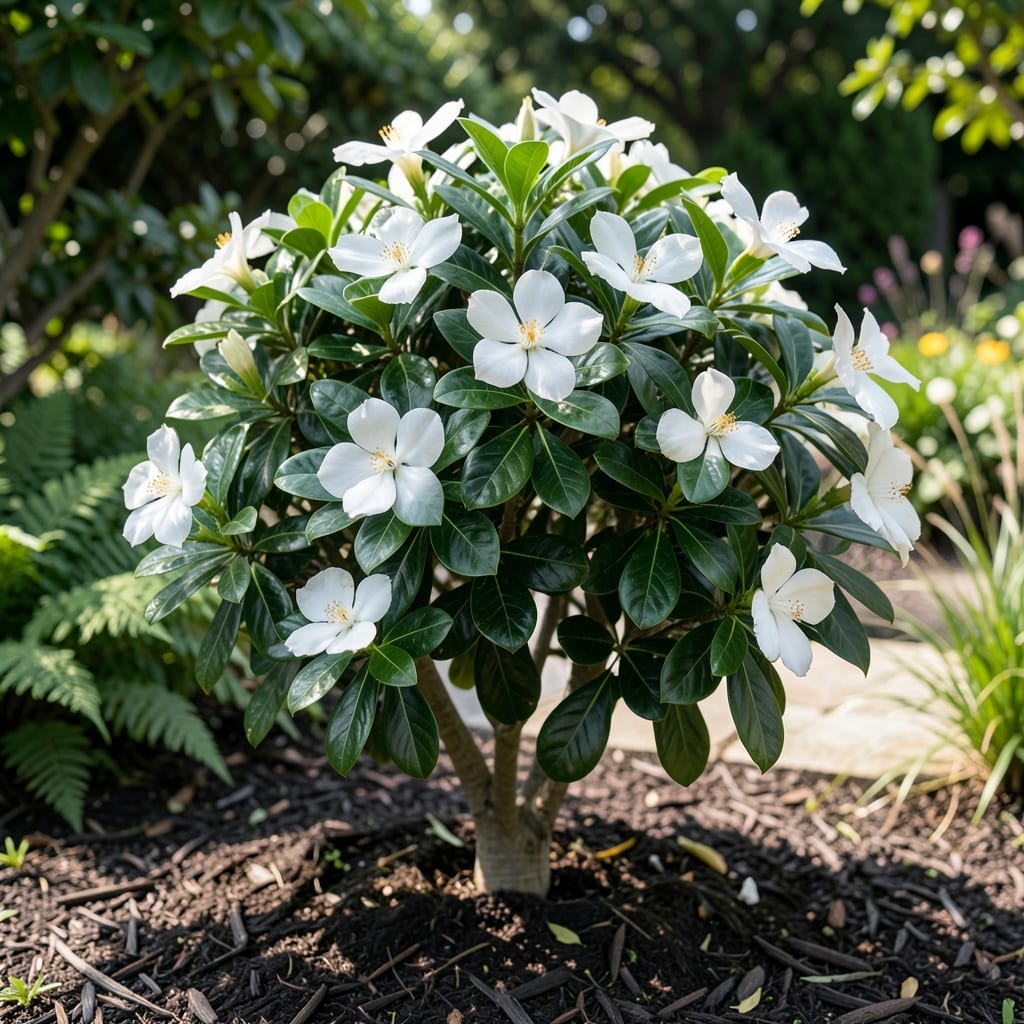
Wondering how tall can gardenia grow before it outgrows your garden? The answer might surprise you—these fragrant 🌸 shrubs can stretch from just 3 feet to towering 6 feet, depending on the variety and care you provide.
If you're dreaming of a gardenia that fits neatly in a container or along a fence, you're in luck—dwarf varieties stay compact, while standard types reach their full height over years. The key to controlling their size lies in smart pruning and understanding your gardenia's natural growth habits.
In this guide, I'll break down the height ranges of popular gardenia types, like the classic Gardenia jasminoides, and share proven pruning techniques to keep them at your ideal height without sacrificing those intoxicating blooms.
Whether you're working with a small balcony garden or a sprawling backyard, you'll learn how to shape your gardenia into the perfect size—naturally and effortlessly. Let's get started!


Natural gardenia growth height: species-specific size ranges explained
When you bring a gardenia home, its mature height can differ wildly depending on the variety. The most common type, Gardenia jasminoides, typically reaches 3 to 6 feet at maturity, but some dwarf cultivars stay as short as 1 to 3 feet. Understanding these ranges helps you choose the perfect plant for your space—whether that’s a container garden or a backyard hedge.
Climate plays a surprising role in gardenia growth. In USDA Zones 8-10, where temperatures stay mild year-round, gardenias grow faster and reach their full height more quickly. However, in cooler zones like Zone 7, growth slows, often resulting in slightly shorter plants unless you provide extra care like winter protection.
Here’s how different gardenia varieties compare in height and growth habits:
| Variety | Mature Height | Growth Rate | Best For |
|---|---|---|---|
| Gardenia jasminoides (Standard) | 4–6 ft | Moderate (1–2 ft/year) | Hedges, borders |
| Gardenia augusta (Dwarf) | 1–3 ft | Slow (6–12 in/year) | Containers, patios |
| Radicans (Trailing) | 2–4 ft (sprawling) | Fast (1–2 ft/year) | Trellises, hanging baskets |
| Fortuniana (Semi-Dwarf) | 3–5 ft | Moderate (1 ft/year) | Foundation plantings |
If you’re growing gardenias in containers, expect them to stay 20–30% shorter than their in-ground counterparts due to root restriction. For example, a standard gardenia in a 15-gallon pot might max out at 4 feet instead of 6. To compensate, choose a slightly larger container and use a well-draining potting mix with added perlite.
Pruning isn’t just for shaping—it’s also a way to control height naturally. For instance, if you want your Gardenia jasminoides to stay under 4 feet, prune back one-third of new growth in early spring. This encourages bushier growth while keeping the plant compact. Just avoid heavy pruning in late summer, as it can delay next year’s blooms.
One common misconception is that gardenias grow taller in full sun. While they do need 4–6 hours of morning light, too much direct afternoon sun can stress the plant, leading to stunted growth. In hot climates, provide afternoon shade to keep your gardenia thriving and reaching its full height potential.
For gardeners in cooler climates, like Zone 6, gardenias may grow more slowly or even act as perennial herbs (losing foliage in winter but regrowing in spring). In these areas, mulch heavily around the base to insulate roots and promote steady growth during the growing season.
If you’re planning a garden design with gardenias, consider their mature height when spacing them. For a hedge effect, plant standard varieties 3–4 feet apart, while dwarf types can be spaced 1–2 feet apart for a denser look. Always leave room for growth—gardenia roots spread wider than their height!
🌿
Pruning techniques to control gardenia height without sacrificing blooms
Pruning is your secret weapon for keeping gardenias at your desired height while ensuring they burst into bloom. The key is timing—prune at the right moment to encourage bushier growth without cutting off next year’s flower buds. For most varieties, like the Gardenia jasminoides, the best time to prune is early spring, just as new growth begins. This allows the plant to recover and set buds for summer blooms.
When pruning, always use clean, sharp pruners to avoid tearing the stems. Make cuts at a 45-degree angle, about 1/4 inch above a leaf node. This encourages new growth to sprout from the right spot. For a neater, more compact shape, focus on trimming back the outermost growth rather than hacking into the center of the plant.
Here’s a step-by-step guide to pruning gardenias for height control:
- Step 1: Wait until late winter or early spring (just before buds swell) to prune. Avoid pruning in late summer or fall, as this can delay blooming.
- Step 2: Remove dead, diseased, or crossing branches first. These can hinder growth and attract pests.
- Step 3: Trim back one-third of the new growth from the previous year. This encourages a fuller, bushier shape while controlling height.
- Step 4: For taller varieties (like standard gardenias), prune the topmost growth to redirect energy downward, promoting a more balanced shape.
- Step 5: After pruning, apply a balanced fertilizer (like 10-10-10) to support new growth. Water deeply to help the plant recover.
If you’re growing gardenias in containers, pruning becomes even more critical. Container-grown plants often grow 20–30% shorter due to root restriction, so pruning helps maintain a compact, manageable size. For example, a dwarf gardenia in a 10-gallon pot might only reach 2 feet without pruning, but with regular trimming, you can keep it at a manageable 1–1.5 feet.
One common mistake is pruning too late in the season. If you prune gardenias after mid-summer, you risk cutting off next year’s flower buds, which form on old wood. Instead, focus on light pruning in late summer to remove only spent blooms and leggy growth. This keeps the plant tidy without disrupting its natural blooming cycle.
For gardeners with trailing varieties like Gardenia radicans, pruning takes a different approach. Instead of cutting back height, you’ll want to trim the tips of long stems to encourage branching. This turns a sprawling vine into a lush, bushy plant perfect for trellises or hanging baskets. Use your fingers to pinch off the top 2–3 inches of new growth when stems reach 6–12 inches long.
🪴