
How To
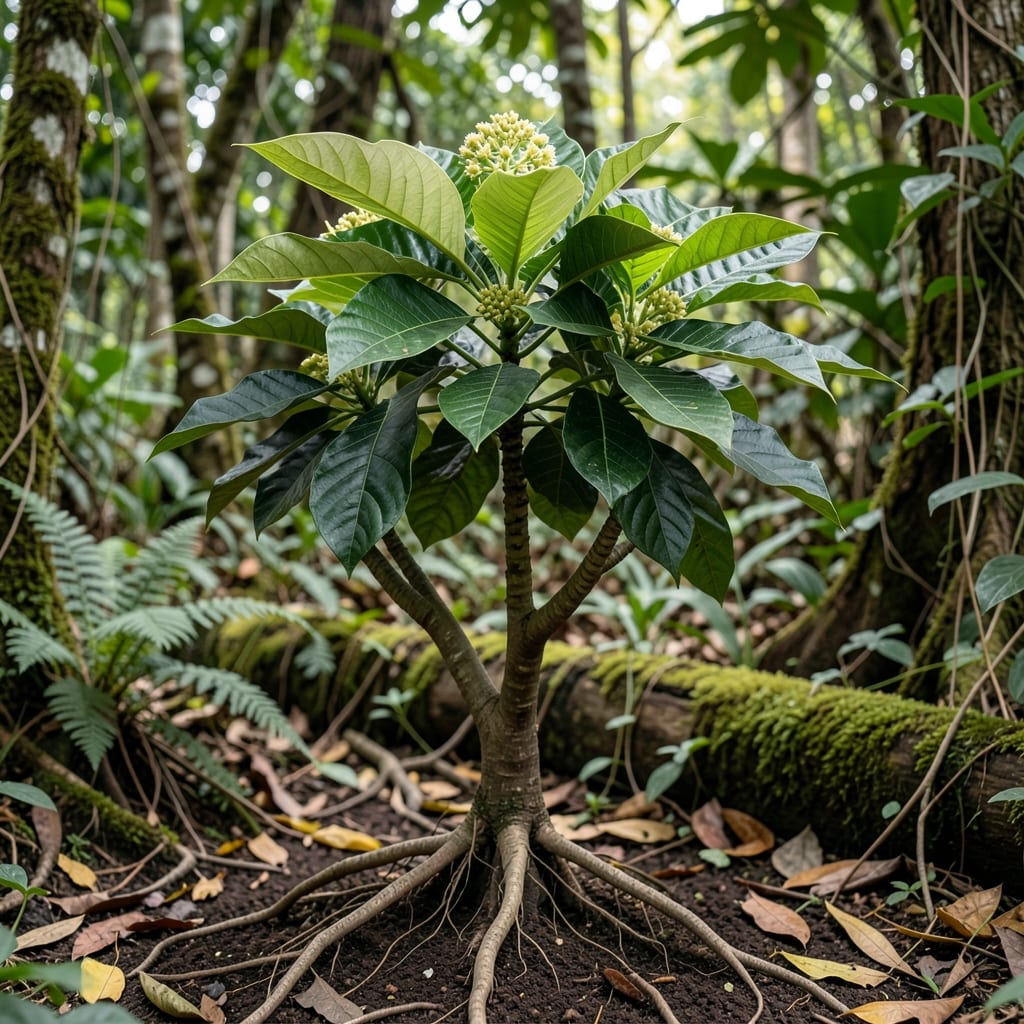
If you’ve ever wondered how tall poinsettias can grow in the wild, you’re not alone. The truth is, these vibrant plants—native to Mexico’s Central Highlands—can stretch to 10 feet in their natural habitat, far outgrowing the compact versions sold in stores.
What makes the difference? Wild poinsettias thrive in lush, tropical conditions with partial shade and rich soil, while cultivated varieties are bred for manageable heights. But here’s the exciting part: with the right care, you can coax your own taller-than-expected poinsettia at home.
In this guide, I’ll break down how wild poinsettias reach their impressive heights, why store-bought plants stay small, and—most importantly—how to encourage bigger growth in your own garden. Whether you’re a plant enthusiast or just love the holiday cheer, you’ll learn how to give your poinsettia room to shine.
From pruning tips to sunlight secrets, we’ll cover everything you need to transform your potted plant into a small shrub. Ready to see your poinsettia grow beyond its usual limits?


Wild poinsettia height: from 6 to 10 feet in tropical forests
When you picture a poinsettia, you likely imagine the compact, 3-foot-tall potted plants sold in holiday displays. But in their native Mexican forests, these plants—Euphorbia pulcherrima—can grow 6 to 10 feet tall, resembling small trees with thick, woody stems. The dramatic difference comes down to environmental conditions and natural growth patterns.
The wild poinsettia thrives in tropical highlands where temperatures stay warm year-round, humidity is high, and rainfall is abundant. These conditions allow the plant to focus energy on vertical growth rather than compact, bushy forms. In their natural habitat, poinsettias develop thick trunks and sprawling canopies, often reaching 10 feet or taller with proper resources.
Humidity plays a critical role in their height. In the wild, poinsettias experience consistent moisture from frequent rain, which supports lush foliage and rapid growth. The partial shade of the forest canopy also encourages taller stems to reach sunlight. Without these conditions, cultivated varieties stay much shorter.
Soil quality matters too. Wild poinsettias grow in well-draining, slightly acidic soil rich in organic matter. This nutrient-dense environment fuels their impressive height, while commercial potting mixes often lack the depth and fertility needed for such growth.
| Factor | Wild Conditions | Cultivated Conditions |
|---|---|---|
| Height Range | 6–12 feet | 1–3 feet |
| Growth Rate | Fast (1–2 feet/year) | Slow (controlled) |
| Humidity | High (70%+) | Moderate (40–60%) |
| Light Exposure | Partial shade | Bright indirect |
| Soil Depth | Deep, fertile | Shallow potting mix |
The woody stems of wild poinsettias develop over time, creating a sturdy framework that supports their height. In contrast, commercial varieties are bred for compact growth and early flowering, which limits their height. Without genetic modifications, a poinsettia left to grow naturally in ideal conditions can easily surpass 10 feet within a few years.
Temperature also influences height. Wild poinsettias grow in USDA Zone 9b, where winters are mild and frost-free. This consistent warmth allows year-round growth, while cultivated varieties often experience seasonal dormancy in cooler climates, further restricting their height.
If you’ve ever wondered why your holiday poinsettia stays small, it’s not just genetics—it’s environmental control. Growers use pruning, light manipulation, and nutrient management to keep plants manageable for retail. But in the wild, these plants embrace their full potential, becoming tropical shrubs rather than potted decorations.
For gardeners curious about growing taller poinsettias, understanding these natural conditions is key. Mimicking humidity, soil depth, and light can help coax your plant toward its wild height potential—though it’ll take patience and the right care routine.
Next, we’ll explore why commercial poinsettias stay so short and how you can encourage taller growth at home—even if you don’t live in a tropical forest!
Wild poinsettia height: from 6 to 10 feet in tropical forests
In their native Mexican highlands, poinsettias (Euphorbia pulcherrima) grow as shrubs or small trees, reaching heights of 6 to 10 feet. Unlike the 2-3 foot potted plants we buy, wild specimens thrive in humid, shaded forests with rich, well-draining soil.
Their towering growth is driven by natural environmental factors, including consistent moisture and partial sunlight. In these ideal conditions, poinsettias develop thicker stems and larger canopies, creating a dramatic focal point in their tropical habitat.
| Growth Stage | Height Range | Key Conditions |
|---|---|---|
| Seedling | 6-12 inches | High humidity, partial shade |
| Year 1 | 3-5 feet | Rich soil, consistent moisture |
| Mature (Wild) | 6-10 feet | Tropical climate, dappled sunlight |
| Cultivated (Potted) | 2-3 feet | Controlled light, pruning |
Wild poinsettias also develop thicker bark and denser foliage as they mature, adapting to compete for sunlight in the forest understory. Their red bracts (often mistaken for flowers) remain vibrant year-round in their native climate, unlike cultivated varieties that rely on seasonal light manipulation.
If you're dreaming of a tall poinsettia, mimic these conditions by providing bright, indirect light and regular pruning to encourage vertical growth. A large container with well-draining soil will also help your plant reach its full potential.
For comparison, a wild poinsettia can grow 3x taller than a typical store-bought plant, making it a stunning addition to any garden—if you're willing to put in the care it deserves.