
Size
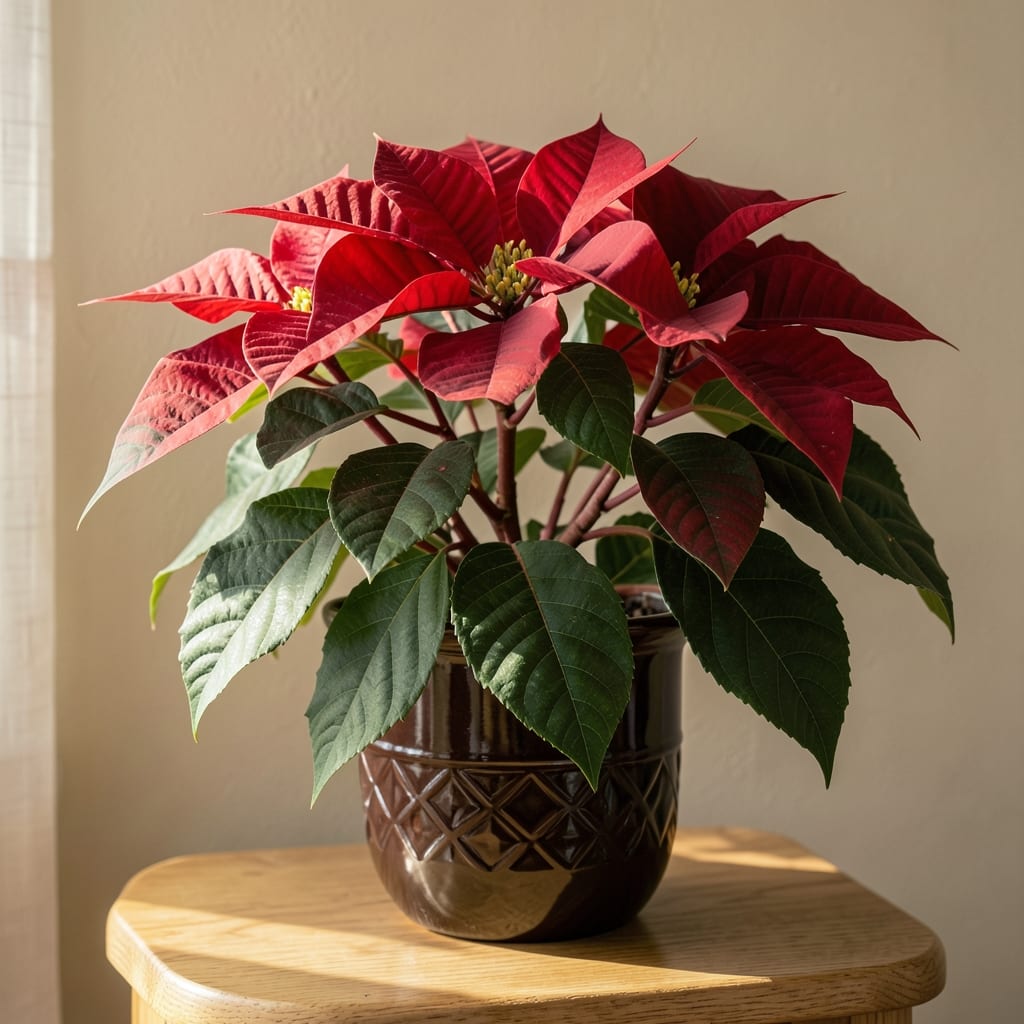
If you’ve ever wondered how tall a poinsettia can grow, the answer depends on more than just luck. These vibrant plants can range from just 12 inches to over 4 feet, with dwarf varieties perfect for small spaces and giant types making bold statements in large rooms.
The key to controlling height lies in the variety you choose and how you care for it. Standard poinsettias typically grow between 2 and 3 feet, but with the right pruning techniques and light exposure, you can encourage them to reach their full potential—or keep them compact for easier maintenance. Whether you’re growing them as annuals or perennials, understanding these factors will help you shape your poinsettia’s size exactly how you want.
Light plays a surprisingly big role in determining height—too little can lead to leggy, stretched-out plants, while proper pruning can keep them bushy and manageable. I’ll walk you through the most effective strategies to control growth, whether you’re aiming for a dwarf variety or a towering giant. Let’s dive into what influences your poinsettia’s height and how to get the results you’re after.
From choosing the right plant at the nursery to adjusting care as the seasons change, there’s a lot to consider. By the end of this guide, you’ll know exactly how tall your poinsettia can grow—and how to make it happen. Ready to transform your holiday decor with the perfect-sized plant?

Poinsettia height variations: from dwarf to giant varieties explained
Poinsettias (Euphorbia pulcherrima) are famous for their vibrant holiday blooms, but their height can vary dramatically depending on the variety and growing conditions. If you're wondering whether your poinsettia will stay small or grow into a towering centerpiece, the answer depends on whether you've chosen a dwarf, standard, or giant variety. Let’s explore the height ranges and what to expect from each type.
Most home gardeners grow poinsettias as potted annuals, but their mature height can range from just 12 inches to over 4 feet. Dwarf varieties are perfect for tables or shelves, while standard and giant types make bold statements in larger spaces. The key to controlling height lies in selecting the right variety and providing appropriate care.
Here’s a quick comparison of poinsettia varieties by height:
| Variety | Height Range | Best For | Care Tips |
|---|---|---|---|
| Dwarf Varieties | 12–18 inches | Tables, shelves, small spaces | Prune early to maintain shape; use smaller pots. |
| Semi-Dwarf Varieties | 20–24 inches | Countertops, small centerpieces | Limit fertilizer to control legginess; pinch back in spring. |
| Standard Varieties | 24–36 inches | Holiday centerpieces, larger rooms | Provide bright indirect light; stake if needed. |
| Giant Varieties | 36–48+ inches | Statement pieces, large gatherings | Use large containers; prune aggressively to encourage bushiness. |
For example, the Premier Red variety typically reaches 24–36 inches, making it ideal for holiday tables. On the other hand, Classic Red can grow up to 4 feet if left unpruned, perfect for creating a dramatic focal point. If you’re working with limited space, dwarf varieties like Winter Rose (12–18 inches) are excellent choices for shelves or desks.
One common misconception is that all poinsettias grow tall naturally. In reality, their height is heavily influenced by light exposure and pruning habits. Without proper care, even dwarf varieties can stretch taller than expected. To keep your poinsettia at its intended height, start with the right variety and adjust care accordingly.
If you’re buying a poinsettia from a nursery, ask about the mature height of the specific variety. Many stores now offer compact or bushier types designed for smaller spaces. These varieties often require less pruning and are easier to maintain indoors.
Another factor to consider is whether you’re growing your poinsettia as an annual or perennial. Most gardeners treat them as annuals, discarding them after the holidays. However, if you keep yours alive through the summer and provide proper care, it can grow taller each year, reaching its full potential height.
For instance, a 3-foot-tall poinsettia in its first year might grow to 4 feet or more in subsequent years if given the right conditions. This is why many collectors and enthusiasts prefer to propagate their favorite varieties rather than buying new plants each season.
To summarize, the height of your poinsettia depends on three key factors: variety selection, light conditions, and pruning practices. Whether you want a tabletop-sized plant or a towering holiday centerpiece, choosing the right type and caring for it properly will help you achieve your desired height.
Key factors that determine how tall your poinsettia will grow
The height of your poinsettia isn’t just about the variety you choose—it’s also heavily influenced by light exposure, pruning habits, and even soil quality. If you’ve ever noticed your poinsettia stretching tall and leggy, it’s likely due to insufficient light or inconsistent care. Let’s explore the critical factors that determine how tall your poinsettia will grow and how to optimize them for your desired size.
One of the biggest misconceptions is that poinsettias grow tall naturally. In reality, their height is often a response to their environment. For example, a dwarf variety left in low light can easily grow 12 inches taller than expected, while a giant variety with proper care can reach its full 4-foot potential. Understanding these factors will help you control growth and maintain the perfect height for your space.
Here are the top 5 factors that influence poinsettia height, ranked by impact:
-
1. Light Exposure
Poinsettias need 6+ hours of bright indirect light daily. Insufficient light causes leggy growth, while too much direct sun can scorch leaves. Place them near an east or west-facing window for ideal results. -
2. Pruning Practices
Regular pruning encourages bushier growth and controls height. Pinch back new growth in spring to promote branching, and trim leggy stems to maintain shape. -
3. Soil and Fertilizer
Well-draining soil with balanced fertilizer (10-10-10) supports healthy growth. Over-fertilizing can lead to excessive legginess, while under-fertilizing stunts development. -
4. Watering Routine
Consistent moisture (but not soggy soil) prevents stress. Overwatering can weaken stems, while underwatering slows growth. Water deeply in the morning to avoid fungal issues. -
5. Seasonal Changes
Poinsettias grow fastest in summer and early fall. Reduce water and fertilizer in winter to encourage dormancy, which helps reset growth for the next season.
For instance, if you’re growing a standard variety (24–36 inches) but notice it stretching toward the light, move it closer to a window or supplement with a grow light. On the other hand, if you want to limit height, prune aggressively in spring and use a smaller pot to restrict root growth.
Another pro tip: Darkness triggers blooming. Poinsettias need 12+ hours of darkness daily for 6–8 weeks before the holidays to develop vibrant bracts. Without this, they may grow taller but produce fewer flowers, affecting overall height and fullness.
To maximize height in giant varieties, provide bright indirect light, fertilize regularly, and avoid pruning until late summer. For dwarf varieties, limit fertilizer, prune early, and use smaller containers to keep them compact. By adjusting these factors, you can shape your poinsettia’s growth exactly how you want—whether you’re aiming for a tabletop treasure or a room-filling statement piece.
Remember, poinsettias are highly adaptable. With the right care, even a leggy plant can be trained to grow bushier, and a compact variety can reach its full potential with proper light and nutrients. Experiment with these techniques to find the perfect balance for your space and style.