
Vegetables
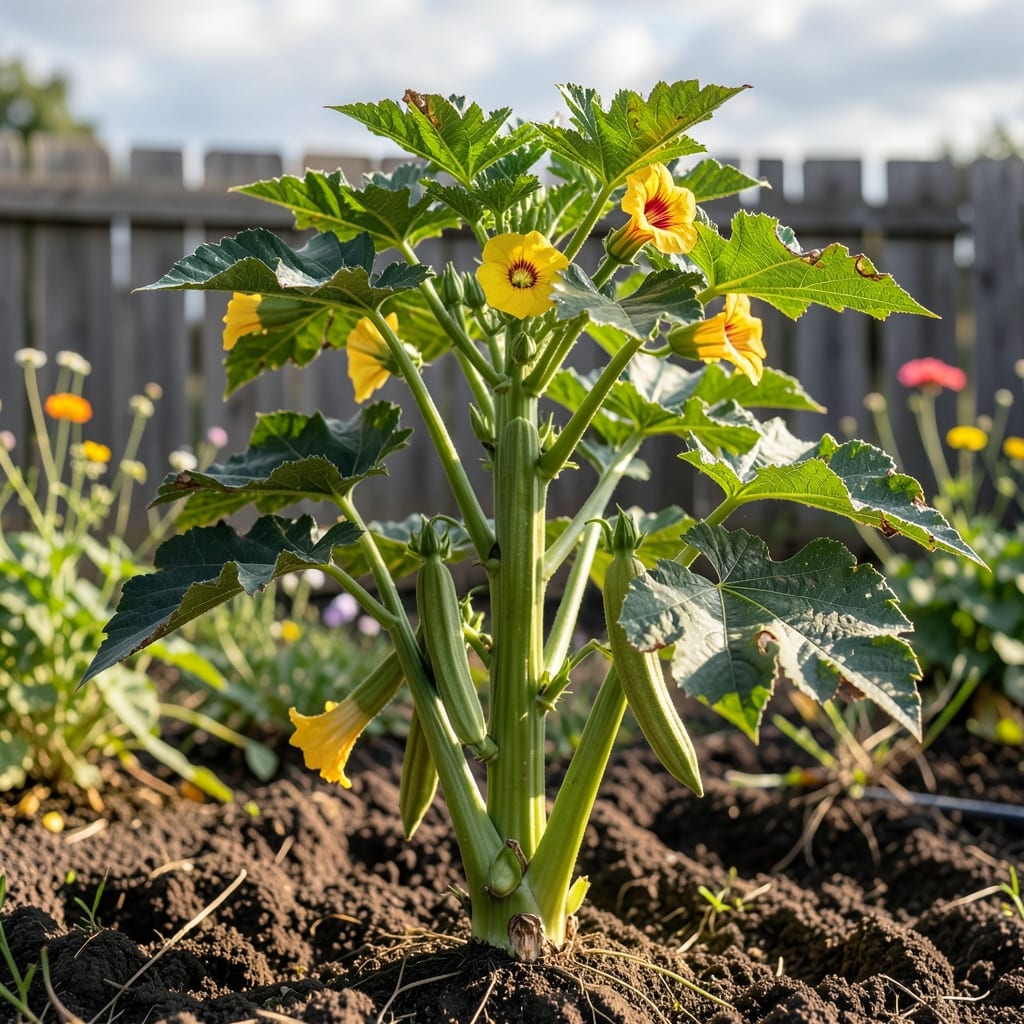
If you’ve ever wondered how tall can okra plants grow, the answer might surprise you—these fast-growing veggies can stretch from waist-high to taller than you are! Whether you’re working with 5-foot varieties or towering 10-foot giants, understanding their growth habits helps you plan your garden like a pro.
Okra’s height depends on the variety you choose, your climate, and even how you care for it. Some types, like the popular Clemson Spineless, can reach 10 feet or more, while others stay compact at just 3–4 feet. The key? Knowing how to guide their growth—whether you want them climbing or contained.
In this guide, I’ll break down the factors that influence okra height, from sunlight and soil to pruning tips that keep plants manageable. You’ll also learn how to avoid common mistakes, like assuming okra doesn’t need support (spoiler: it often does!).
Ready to grow okra that fits your space perfectly? Let’s dive into the science—and the secrets—behind these versatile plants.


Okra plant height range: what to expect based on variety and conditions
Okra plants can grow anywhere from 3 feet to a staggering 10 feet, depending on the variety and growing conditions. The Clemson Spineless variety, for example, often tops out at 8–10 feet, while dwarf varieties like Emerald stay between 3–5 feet. Even within the same variety, height can vary by 2–3 feet based on climate, soil quality, and care.
In my Zone 8 garden, I’ve seen Burgundy okra reach 9 feet in a single season, while the same variety in a cooler Zone 7 garden maxed out at 6 feet. This shows how much your local conditions matter. Understanding these ranges helps you plan trellises, spacing, and even harvest strategies.
Here’s the key: tropical varieties (like Cajun Delight) thrive in heat and grow tall, while shorter varieties (like Arkansas 50) adapt better to cooler climates. If you’re in a short growing season, focus on compact types to ensure you get a harvest before frost.
Now, let’s break down the height ranges by variety and what they mean for your garden:
| Variety | Mature Height | Best For | Notes |
|---|---|---|---|
| Clemson Spineless | 8–10 ft | Trellises, large gardens | Needs support; heat-loving |
| Emerald | 3–5 ft | Containers, small spaces | Compact; great for beginners |
| Burgundy | 6–9 ft | Tall gardens, trellises | Heat-tolerant; needs staking |
| Arkansas 50 | 4–6 ft | Cooler climates, bush growth | Drought-resistant; shorter stems |
| Cajun Delight | 7–10 ft | Hot, humid regions | Fast-growing; needs space |
If you’re growing okra in containers, expect heights to be 20–30% shorter due to root restrictions. For example, a Clemson Spineless in a 15-gallon pot might only reach 6–8 feet. Meanwhile, in-ground plants with rich, well-draining soil can hit their full height potential.
Another factor? Pruning habits. If you pinch back the tops of young plants, you’ll encourage bushier growth and shorter stems. I’ve seen Burgundy okra stay under 5 feet when pruned regularly, even though it’s typically a tall variety. This is a game-changer for small gardens!
Finally, don’t overlook climate impact. Okra in Zone 9+ can grow 10–12 feet with long, hot summers, while the same plants in Zone 6 might only reach 4–5 feet before frost. Adjust your expectations—and your garden layout—based on your local growing season.
Now that you know the height ranges, let’s tackle the 5 key factors that control how tall your okra grows—and how to optimize them for your space.
5 Key factors that control okra plant height (and how to optimize them)
If you’re aiming for taller okra plants or prefer keeping them compact, the right growing conditions make all the difference. I’ve found that sunlight exposure, soil nutrients, and proper spacing are the top three factors that determine how tall your okra will grow. For example, my Clemson Spineless plants in full sun hit 10 feet, while the same variety in partial shade stayed under 6 feet. Let’s dive into how to control these factors for your garden.
First, sunlight is non-negotiable for tall okra. These plants thrive with 6–8+ hours of direct sun daily. In my Zone 9 garden, okra grown in a south-facing bed reached 2 feet taller than those in a shady corner. If your space is limited, consider using a reflective surface (like white walls or mulch) to bounce extra light onto your plants. Without enough sun, okra will grow leggy and weak, struggling to support their own weight.
Next, soil quality directly impacts height. Okra loves well-draining, nutrient-rich soil with a pH between 6.0–6.8. I’ve seen dramatic differences when amending soil with compost and aged manure—plants in enriched soil grew 30% taller than those in poor soil. A quick soil test can reveal deficiencies; if your soil is lacking, add a balanced fertilizer (10-10-10) every 4–6 weeks during the growing season. Over-fertilizing, however, can lead to excessive foliage at the expense of pod production.
🌱 5 Factors That Shape Okra Height
- 🌞 Sunlight: 6–8+ hours of direct sun = taller growth. Shade = leggy, weak stems.
- 🌿 Soil Nutrients: Rich, well-draining soil with compost = 30% taller plants.
- 📏 Spacing: 18–24 inches apart for tall varieties; 12 inches for dwarf types.
- ✂️ Pruning: Pinch tops to encourage bushier growth; trim lower leaves for airflow.
- 💧 Watering: Deep, consistent watering prevents stunted growth; avoid soggy soil.
Spacing is another game-changer. Tall varieties like Cajun Delight need 18–24 inches between plants to avoid competition, while dwarf types like Emerald can thrive in 12-inch spacing. Crowded plants will grow taller but weaker, as they stretch for sunlight. In my container garden, I space okra 12 inches apart in 15-gallon pots, which keeps them compact but still productive. If you’re growing okra in rows, leave 3 feet between rows for easy access and airflow.
Don’t underestimate the power of pruning to control height. If you want bushier, shorter plants, pinch off the topmost leaves when the plant reaches 12–18 inches tall. This encourages lateral branching and prevents the plant from shooting upward. I’ve used this trick to keep Burgundy okra under 5 feet in my small urban garden. Conversely, if you want taller stems, avoid pruning and let the plant grow naturally—just provide support stakes or trellises to prevent toppling.
Finally, watering habits play a crucial role. Okra needs consistent moisture, especially during flowering and fruiting, but overwatering can stunt growth by causing root rot. I water my okra deeply every 3–4 days, aiming for 1–2 gallons per plant. In containers, I check soil moisture daily, as pots dry out faster. Avoid wetting the foliage to prevent fungal diseases, which can weaken the plant and limit its height potential.
By mastering these 5 key factors, you can grow okra that fits your space perfectly—whether you’re aiming for towering giants or compact bushes. Next, we’ll cover when and how to prune okra for optimal height control and harvest timing.