
Size
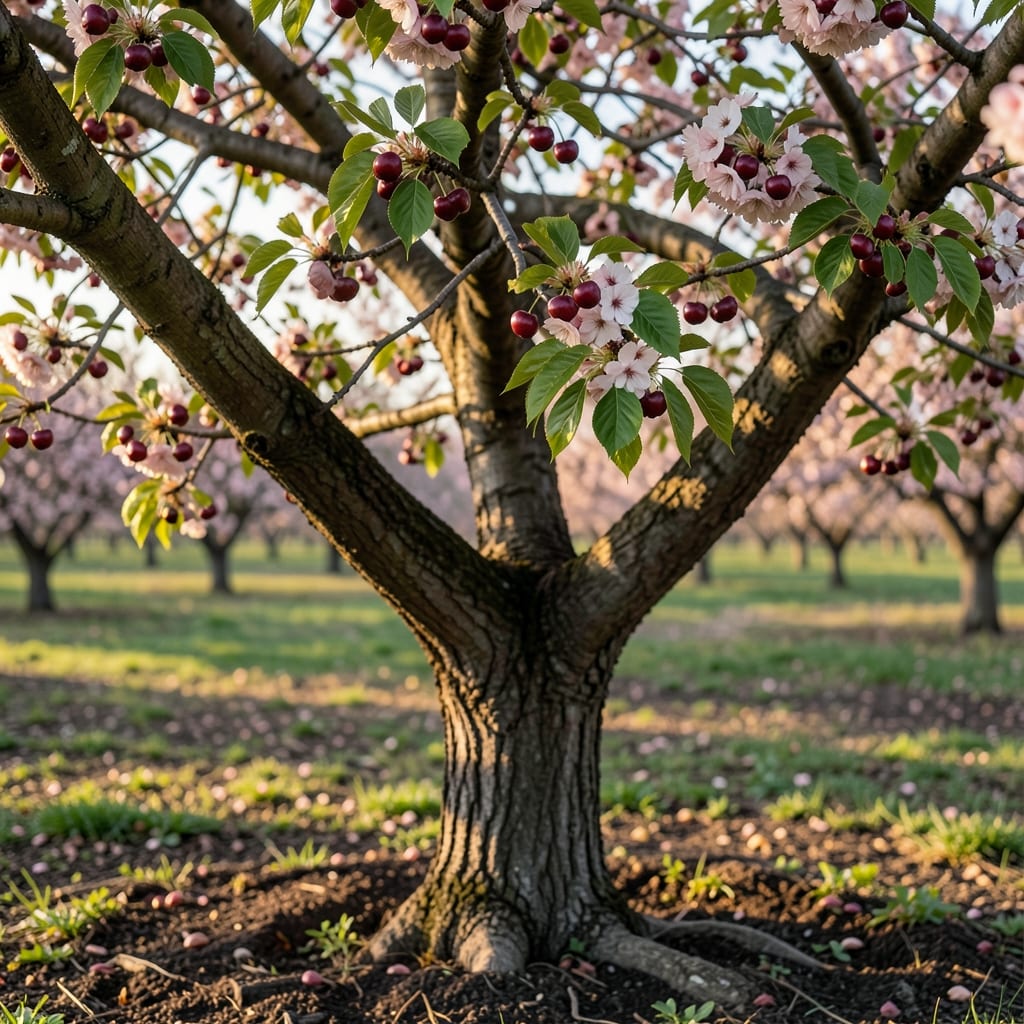
If you're wondering "how tall can cherry trees grow", the answer might surprise you—these stunning 🍒 trees can range from petite patio plants to towering giants that reach 60 feet or more. That’s taller than most two-story homes! Whether you’re dreaming of a backyard orchard or a compact tree for your balcony, understanding these heights is the first step to picking the perfect variety for your space.
Not all cherry trees are created equal—some stay under 10 feet while others shoot up like skyscrapers. Dwarf varieties are perfect for small yards or containers, while standard and giant types need plenty of room to thrive. The key? Choosing the right type for your landscape and learning how to manage growth through pruning and care.
But here’s the thing: even if you love big trees, you don’t have to settle for just one size. With the right variety and a little maintenance, you can enjoy cherries—whether you’re harvesting from a 6-foot patio tree or admiring the shade of a 50-foot giant. Let’s break down the options so you can pick the perfect cherry tree for your space.
From tiny 🍒 trees that fit in pots to majestic giants that dominate the landscape, the possibilities are endless. Ready to find out which size works best for you? Let’s dive into the details and help you make the best choice for your garden.


Cherry tree height guide: dwarf to massive varieties explained
When you picture a cherry tree, you might imagine a sprawling giant in an orchard—but the truth is far more exciting. Cherry trees come in four distinct size categories, each offering unique benefits for different spaces. From dwarf varieties that fit in containers to standard giants reaching 60 feet, the possibilities are endless. Understanding these categories will help you choose the perfect tree for your landscape, whether you're working with a small urban patio or a rural estate.
The height of a cherry tree isn't just about aesthetics—it directly impacts fruit production, pruning needs, and even root system development. For example, dwarf varieties produce fruit at a much earlier age (often within 2-3 years) because their smaller stature means less energy is spent on vertical growth. Meanwhile, standard varieties take 5-10 years to bear fruit but offer abundant harvests once mature. Let’s explore each category so you can make an informed decision.
Here’s a quick look at how cherry tree heights break down by category:
| Category | Mature Height | Best For | Fruit Production |
|---|---|---|---|
| Dwarf | 8–12 ft | Containers, patios, small yards | Early, abundant (2–3 years) |
| Semi-Dwarf | 12–20 ft | Backyards, small orchards | Moderate (3–5 years) |
| Standard | 20–60 ft | Large properties, orchards | High (5–10 years) |
| Giant (Ornamental) | 40–60+ ft | Landscaping, shade trees | Minimal (non-fruiting) |
Dwarf cherry trees are the superstars of small spaces. Varieties like 'Stella' or 'Compact Stella' stay under 10 feet and thrive in 5-gallon containers. These trees are perfect for balconies, rooftops, or urban gardens where space is limited. They also require less pruning because their growth is naturally controlled. However, their smaller size means limited shade and fewer branches for fruit production compared to larger trees.
Semi-dwarf cherry trees strike a balance between size and productivity. They typically reach 12–20 feet at maturity, making them ideal for backyard orchards or properties with moderate space. Varieties like 'Balaton' or 'Lapins' are popular choices because they produce high-quality fruit while remaining manageable. These trees often bear fruit in 3–5 years, which is faster than standard varieties but still requires some pruning to maintain shape and health.
Standard cherry trees are the classic orchard giants, growing 20–60 feet tall with a wide canopy. These trees are perfect for rural estates, farms, or large landscapes where they can spread their roots and branches freely. Varieties like 'Bing' or 'Rainier' are well-known for their abundant fruit production, but they require significant space and regular pruning to keep them healthy. If you love the idea of a traditional cherry orchard, this is the category for you—but be prepared for a long wait (up to 10 years) before your tree bears fruit.
Ornamental cherry trees, often called giant varieties, are all about showstopping beauty rather than fruit. Trees like 'Okame' or 'Kanzan' can reach 40–60 feet and are prized for their stunning spring blossoms and vibrant fall foliage. These trees are non-fruiting, meaning they won’t produce cherries, but they make spectacular shade trees or focal points in large landscapes. Their height means they need ample space and professional pruning to manage their growth safely.
One of the biggest misconceptions about cherry trees is that all varieties grow equally tall. In reality, the height of your tree is largely determined by its rootstock. Dwarf varieties are grafted onto stunted rootstocks like 'Gisela 5' or 'Gisela 6', which limit their growth. Standard trees, on the other hand, are grafted onto vigorous rootstocks like 'Mahaleb' or 'Mazzard', allowing them to grow much taller. If you’re buying a cherry tree, always check the rootstock type to ensure it matches your space and goals.
Another critical factor in cherry tree height is pruning and training. Even dwarf trees can grow taller if not pruned regularly, while standard trees can be kept smaller with aggressive pruning techniques. For example, espalier pruning can flatten a standard cherry tree
Best cherry tree varieties for small yards vs. large landscapes
Choosing the right cherry tree variety depends entirely on your space—whether you’re working with a cozy urban balcony or a sprawling rural estate. The good news? There’s a perfect cherry tree for every scenario. For small yards and containers, dwarf varieties like 'Stella' or 'Compact Stella' thrive in 5-gallon pots and stay under 8 feet tall. These are ideal for patios, rooftop gardens, or tiny backyards where space is limited but you still want fresh cherries. Meanwhile, large landscapes can accommodate towering standard or ornamental varieties, like 'Bing' or 'Kanzan', which reach 40–60 feet and create dramatic focal points.
If you’re torn between size and productivity, semi-dwarf varieties like 'Balaton' or 'Lapins' offer the best of both worlds. These trees grow 12–20 feet tall, making them perfect for backyard orchards or properties with moderate space. They produce high-quality fruit in 3–5 years, faster than standard trees but with less maintenance than dwarfs. For urban gardeners, semi-dwarfs strike a balance between manageable size and rewarding harvests.
Here’s how to match your space to the perfect cherry tree variety:
Cons: Limited shade, smaller harvests
Top Picks: 'Stella', 'Compact Stella', 'Sunburst'
Cons: Needs more space than dwarfs
Top Picks: 'Balaton', 'Lapins', 'Montmorency'
Cons: Requires ample space, professional pruning
Top Picks: 'Bing', 'Rainier', 'Okame' (ornamental)
For urban gardeners, dwarf varieties are a game-changer. Trees like 'Sunburst' (a sweet cherry) or 'Compact Stella' (a tart cherry) are bred to stay small, making them perfect for balconies, fire escapes, or even indoor grow lights. These trees produce edible fruit in just 2–3 years, so you won’t have to wait decades for a harvest. Plus, their compact size means less pruning and easier maintenance. Just ensure your container has drainage holes and use a high-quality potting mix to prevent root rot.
On the other end of the spectrum, standard and ornamental cherry trees are built for large properties. If you have acres of land, a 'Bing' cherry tree can grow up to 60 feet tall and produce hundreds of pounds of fruit annually. These trees are the backbone of commercial orchards but also thrive in rural estates where they provide shade, beauty, and bounty. Ornamental varieties like 'Kanzan' or 'Okame' are non-fruiting but offer stunning spring blossoms and vibrant fall foliage, making them ideal for landscape focal points.
One common mistake is assuming that all cherry trees need the same amount of space. In reality, the rootstock determines height, not just the variety. For example, a 'Rainier' cherry grafted onto 'Gisela 6' rootstock will stay under 10 feet, while the same variety on 'Mahaleb' rootstock can reach 30 feet or more. Always check the rootstock type when purchasing to ensure it matches your space. If you’re unsure, ask your local nursery for recommendations tailored to your yard size.
Ready to pick the perfect cherry tree? Start by measuring your space and considering your goals—whether it’s quick harvests, dramatic shade, or stunning blossoms. With the right variety, you can enjoy cherries (or cherry-like beauty) without sacrificing your landscape’s layout. 🍒