
Trees
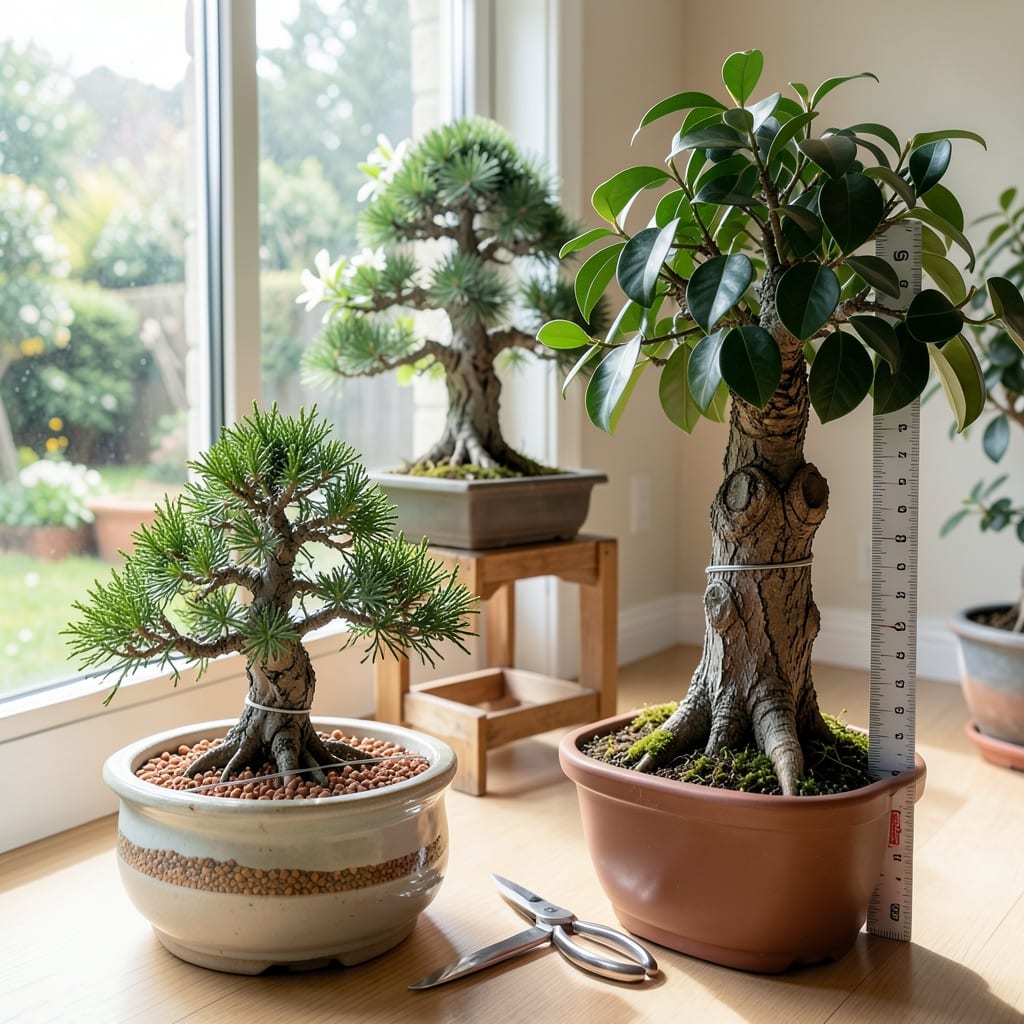
Ever wondered just how tall your 🌳 bonsai tree could grow—or how tiny you could keep it? The answer might surprise you, because bonsai heights aren’t just about species; they’re about artistry. Whether you dream of a desktop-sized masterpiece or a backyard statement piece, understanding the growth limits is the first step to creating your vision.
Most people assume bonsai trees stay small by nature, but the truth is far more flexible. With the right techniques—like pruning, root restriction, and wiring—you can shape a bonsai to fit almost any space. Some varieties naturally stay under 6 inches, while others, with careful cultivation, can stretch over 10 feet. The key lies in balancing growth control with the tree’s natural tendencies.
If you’re just starting, you’ll want to know which species lend themselves to miniaturization and which can handle more dramatic heights. Fast-growing types like ficus or juniper might seem tricky, but with the right approach, they can stay compact for years. Meanwhile, patience and precision are your best tools for achieving that perfect, intentional size.
Ready to discover the secrets behind creating bonsai that defy expectations? I’ll walk you through the science, techniques, and common myths—so you can grow the bonsai of your dreams, no matter how big or small you envision it.

Bonsai tree height limits: from pocket-sized to record-breaking giants
When I first started growing bonsai, I assumed all trees stayed under a foot tall—but that couldn't be further from the truth. Bonsai heights aren't fixed by nature alone; they're shaped by artistic vision, species selection, and cultivation techniques. The smallest bonsai can fit in your palm, while the largest can tower like a small tree in your garden. Understanding these extremes helps you set realistic goals for your own tree.
The smallest bonsai belong to the shohin style, where trees are kept under 6 inches tall. These delicate masterpieces require meticulous care and often use miniature tools for pruning. At the opposite end of the spectrum, monster bonsai can exceed 10 feet in height, mimicking full-sized trees but with intricate branches and reduced proportions. The key difference? Time, patience, and precise control.
Most beginner bonsai trees fall between 12 to 36 inches at maturity, but this varies wildly by species. For example, a juniper bonsai might naturally stay under 2 feet, while a ficus or Chinese elm could grow taller without intervention. The real magic happens when you combine root restriction, pruning schedules, and wiring techniques to guide growth toward your desired height.
Age plays a surprising role too. A 10-year-old bonsai might still be under 1 foot if carefully pruned, while an untended bonsai of the same age could reach 5 feet or more. This flexibility means you're not limited by genetics—you're limited only by your creativity and consistency in care.
Here’s the most important fact: bonsai height is a choice. Whether you want a desktop bonsai or a backyard centerpiece, the techniques are the same—only the scale changes. The next section breaks down how to control growth at every stage, from sapling to mature tree.
| Bonsai Style | Typical Height Range | Key Techniques | Example Species |
|---|---|---|---|
| Shohin | Under 6 inches | Frequent pruning, micro-tools, slow feeding | Japanese black pine, dwarf junipers |
| Mame | 6-12 inches | Root restriction, light wiring | Ficus retusa, Chinese elm |
| Kifu | 12-24 inches | Moderate pruning, seasonal wiring | Juniper procumbens, azalea |
| Chuhin | 24-36 inches | Structural pruning, heavy root pruning | Trident maple, serissa |
| Omono | 36-60 inches | Aggressive wiring, large pots | Japanese white pine, Chinese quince |
| Monster Bonsai | 6-10+ feet | Minimal pruning, massive pots, decades of growth | Old-growth junipers, ancient ficus |
One common myth I hear is that bonsai trees grow slowly by nature. While some species like junipers are naturally slow-growing, others—such as ficus or Chinese elm—can grow several inches per year if left unchecked. The difference? Pruning frequency and root restriction. A ficus bonsai that grows 6 inches in a year without pruning can be kept under 12 inches with regular maintenance. It’s all about control.
For those chasing record-breaking heights, the secret lies in patience and scale. A 10-foot monster bonsai isn’t created overnight—it often takes decades of minimal intervention. These trees are grown in massive pots (sometimes over 2 feet wide) and pruned only to maintain structure, not to limit size. The result? A tree that looks like a miniature forest giant.
If you're working with limited space, focus on shohin or mame styles, which thrive in small containers and benefit from daily misting to keep foliage lush. These tiny trees require the same care as their larger counterparts but with precision tools and frequent adjustments. The reward? A bonsai that fits on your desk but still commands attention.
Remember: height isn’t the only measure of success. A well-crafted
Bonsai tree height limits: from pocket-sized to record-breaking giants
When most people picture a bonsai tree, they imagine a delicate, tabletop-sized plant—maybe 6 to 12 inches tall. But the reality is far more flexible. Bonsai can range from micro-miniature specimens under 6 inches to monster bonsai over 10 feet tall. The difference lies in species selection, cultivation techniques, and your artistic vision. For example, a shohin bonsai (under 6 inches) takes years of meticulous care, while a chokkan-style bonsai can mimic a full-sized tree with dramatic height.
The height of your bonsai isn’t just about the plant—it’s about the container, pruning schedule, and root restriction. A fast-growing species like a ficus bonsai can reach 3 feet in just a few years if left unchecked, but with regular pruning and root trimming, it can stay compact indefinitely. Meanwhile, slow-growing varieties like juniper or pine naturally stay smaller, making them ideal for beginners. The key is understanding your tree’s growth potential and adjusting your care routine accordingly.
Here’s the surprising truth: bonsai trees have no natural height limit—only the limits you set. With the right techniques, you can grow a bonsai that fits in a thimble-sized pot or one that towers like a backyard tree. The choice is yours, but the tools—pruning shears, wiring, and root pruning—are what make it possible.
🌱 Bonsai Height Ranges: What’s Possible?
| Style | Height Range | Species Examples | Care Tips |
|---|---|---|---|
| Micro-Miniature (Shohin) | Under 6 inches | Ficus, Juniper, Azalea | Frequent pruning, tiny pots, slow growth |
| Miniature (Mame) | 6-12 inches | Chinese Elm, Serissa | Regular trimming, moderate root pruning |
| Standard (Chuhin) | 1-3 feet | Pine, Maple, Oak | Balanced pruning, larger pots |
| Monster Bonsai | Over 10 feet | Old-growth Juniper, Pine | Decades of care, massive pots, minimal pruning |
Note: Heights vary by species, age, and cultivation techniques. Monster bonsai are rare and require decades of expertise.
If you’re aiming for a pocket-sized bonsai, focus on species like ficus or juniper, which respond well to aggressive pruning. For a statement-piece bonsai, consider older trees with thick trunks—these can be trained to grow taller while maintaining proportion. The secret? Root restriction is your best friend. By limiting root growth with smaller pots, you slow down the tree’s overall expansion, allowing you to control height more effectively.
Don’t let myths fool you—bonsai trees aren’t inherently small. Many gardeners assume they stay tiny because of the plant itself, but the truth is, any tree can become a bonsai with the right care. Even fast-growing species like Chinese elm can be kept under 12 inches with consistent pruning. The art of bonsai lies in balancing growth and restraint, so whether you want a desktop garden or a backyard giant, the tools are at your fingertips.
Ready to start? Begin by choosing a species that matches your vision—whether it’s a tiny shohin or a towering chokkan. With patience and precision, you’ll unlock the full height potential of your bonsai, one pruning at a time. 🌿