
Size
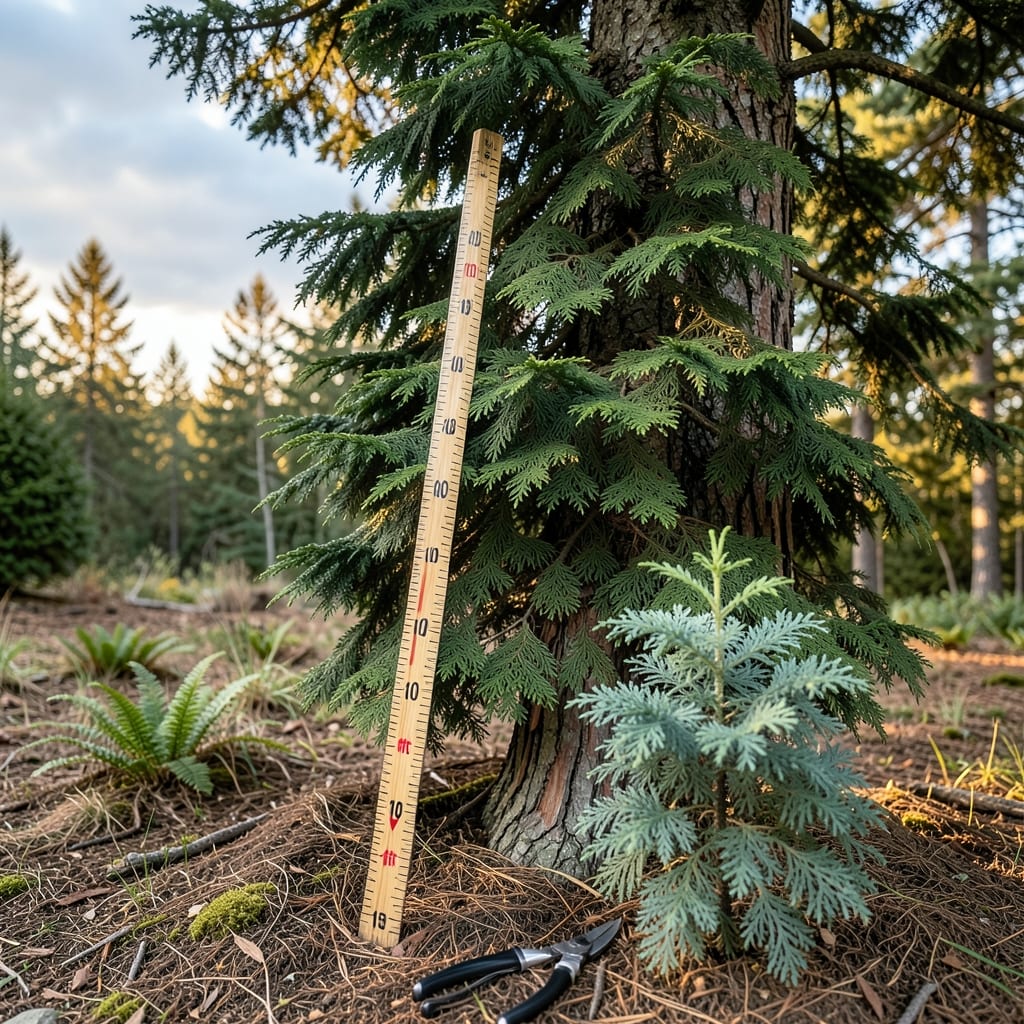
If you’ve ever wondered how tall can arborvitae grow, the answer might surprise you—some varieties soar to 60 feet or more, while others stay compact. Whether you’re planning a towering privacy screen or a cozy hedge, choosing the right type of 🌲 arborvitae makes all the difference.
Picture this: a lush, evergreen wall blocking noise and wind, or a single specimen tree anchoring your landscape like a natural monument. The key is picking a variety that matches your space and vision—some grow fast, while others take their time. I’ll break down the fastest-growing types, like the Green Giant, that hit 40 feet in no time, plus tips to maximize their height (or keep them in check).
But here’s the catch: soil, sunlight, and pruning can dramatically alter how tall your 🌲 arborvitae becomes. A little extra care in Zone 6a can turn a modest shrub into a sky-scraping giant—or keep it neatly trimmed for a polished look. Ready to find out which variety fits your yard? Let’s dive in.
You’ll also discover how spacing, pruning, and even soil type play into the height game. Whether you’re after a 30-foot screen or a 12-foot hedge, I’ve got the insights to help you grow the perfect 🌲 arborvitae for your space. Let’s get started!


Arborvitae height by variety: fastest-growing types that reach 40 feet
When I first planted my 🌲 arborvitae hedge, I had no idea some varieties could grow taller than my two-story house! The Green Giant alone can reach 40 to 60 feet in ideal conditions, making it a powerhouse for privacy screens. But not all arborvitae are created equal—some stay compact, while others shoot up like rockets. Choosing the right variety depends on your space, sunlight, and how fast you want that evergreen wall.
If you’re after fast growth, the Green Giant and Leyland Cypress hybrids are top contenders. These varieties can grow 3 to 5 feet per year in the right conditions, turning a small sapling into a towering giant in just a few years. But before you plant, consider your yard’s layout—some varieties need 10+ feet of space to avoid crowding.
Here’s the kicker: soil quality, sunlight, and pruning can push or limit growth. For example, the American Arborvitae (Thuja occidentalis) is native to Zone 6a and thrives in partial sun, but it maxes out at 30 to 40 feet unless given extra care. Meanwhile, the Emerald Green stays a modest 12 to 15 feet, perfect for hedges or foundation planting.
Let’s break down the fastest-growing varieties and their mature heights so you can pick the perfect fit for your landscape. Whether you’re after a sky-high screen or a neatly trimmed hedge, the right choice makes all the difference.
| Variety | Mature Height | Growth Rate | Best For |
|---|---|---|---|
| Green Giant | 40–60 ft | 3–5 ft/year | Privacy screens, windbreaks |
| Leyland Cypress Hybrid | 30–50 ft | 2–4 ft/year | Fast-growing screens |
| Emerald Green | 12–15 ft | 1–2 ft/year | Hedges, foundation planting |
| American Arborvitae | 30–40 ft | 1–2 ft/year | Specimen trees, natural screens |
| Hetz Midget | 8–12 ft | 6–12 inches/year | Small yards, containers |
The Green Giant is the undisputed champion for height, but its rapid growth means you’ll need to plan for spacing and pruning from the start. Plant these giants 10 to 15 feet apart if you want a dense screen—any closer, and they’ll compete for nutrients, slowing growth. For slower-growing varieties like Emerald Green, you can space them 3 to 5 feet apart for a neat, uniform hedge.
One mistake I see often is planting tall varieties too close to structures. The Leyland Cypress hybrid, for example, can grow 4 feet per year but needs room to spread its branches. If you’re planting near a fence or house, leave at least 5 feet of clearance to avoid root or branch damage. Pro tip: Mulch around the base to retain moisture and encourage deeper root growth, which helps the tree stay upright as it towers.
Sunlight is another game-changer. While arborvitae tolerates partial shade, the fastest growth happens with 6+ hours of sun daily. In my Zone 6a garden, I’ve noticed the Green Giant grows 20% faster in full sun compared to partial shade. If your yard is shady, opt for a slower-growing variety like American Arborvitae, which handles lower light better.
Lastly, don’t underestimate the power of pruning. If you want to control height, prune the top branches in late winter or early spring. This encourages bushier growth lower down, which is great for hedges. But if you’re growing a specimen tree, minimal pruning lets it reach its full potential. Just avoid heavy pruning in fall—it stresses the tree and can stunt growth.
Now that you know which varieties hit 40 feet and which stay compact, you’re ready to pick the perfect 🌲 arborvitae for your space. Next, I’ll share how to maximize growth—or keep it in check—with soil, water, and pruning tips. Let’s make sure your arborvitae thrives! ✂️
Arborvitae height by variety: fastest-growing types that reach 40 feet
When you’re planning a 🌲 arborvitae screen or privacy hedge, one of the first questions is: how tall can arborvitae grow? The answer depends entirely on the variety you choose. Some, like the Green Giant, shoot up to 50-60 feet in ideal conditions, while others stay modest at just 3-5 feet. The fastest-growing types are perfect for creating instant privacy or dramatic focal points in your landscape.
If you’re after maximum height, hybrids like Leyland Cypress (a close cousin) and Green Giant are the top performers. These varieties aren’t just tall—they grow 3-5 feet per year when given the right care. That means a 10-foot screen in just two years! But before you plant, check your space and local regulations—some neighborhoods have height restrictions for privacy screens.
Here’s the kicker: soil quality and sunlight can double—or halve—the growth rate of your 🌲 arborvitae. Rich, well-draining soil with partial sun (3-6 hours daily) is ideal, while poor soil or shade slows things down. I’ll show you exactly which varieties thrive in Zone 6a and how to push them to their full potential.
🌲 Arborvitae Height Comparison
| Variety | Mature Height | Growth Rate | Best For |
|---|---|---|---|
| Green Giant | 50-60 ft | 3-5 ft/year | Privacy screens |
| Emerald Green | 12-15 ft | 1-2 ft/year | Hedges, borders |
| American Arborvitae | 30-40 ft | 2-3 ft/year | Specimen trees |
| Leyland Cypress | 40-60 ft | 3-4 ft/year | Fast screens |
| Hetz Midget | 3-5 ft | 6-12 in/year | Small spaces |
For fastest growth, the Green Giant and Leyland Cypress are unbeatable. They’re the go-to choices for homeowners who want a 🌲 arborvitae screen in record time. But if you’re working with limited space, Emerald Green or American Gold (a dwarf variety) are better bets. These stay under 15 feet but still deliver that lush, evergreen look.
Pro tip: If you’re planting multiple 🌲 arborvitae for a hedge or screen, space them 3-5 feet apart for Green Giant and Leyland Cypress. For slower-growing types like Emerald Green, 2-3 feet of spacing works perfectly. This ensures they fill in quickly without competing for nutrients.
One mistake I see often is planting tall varieties too close to power lines or structures. Always check local codes—some areas require 10-foot clearances for trees over 30 feet. A little planning now saves headaches later. Ready to pick the perfect variety for your yard? Let’s talk spacing and care next!