
How To
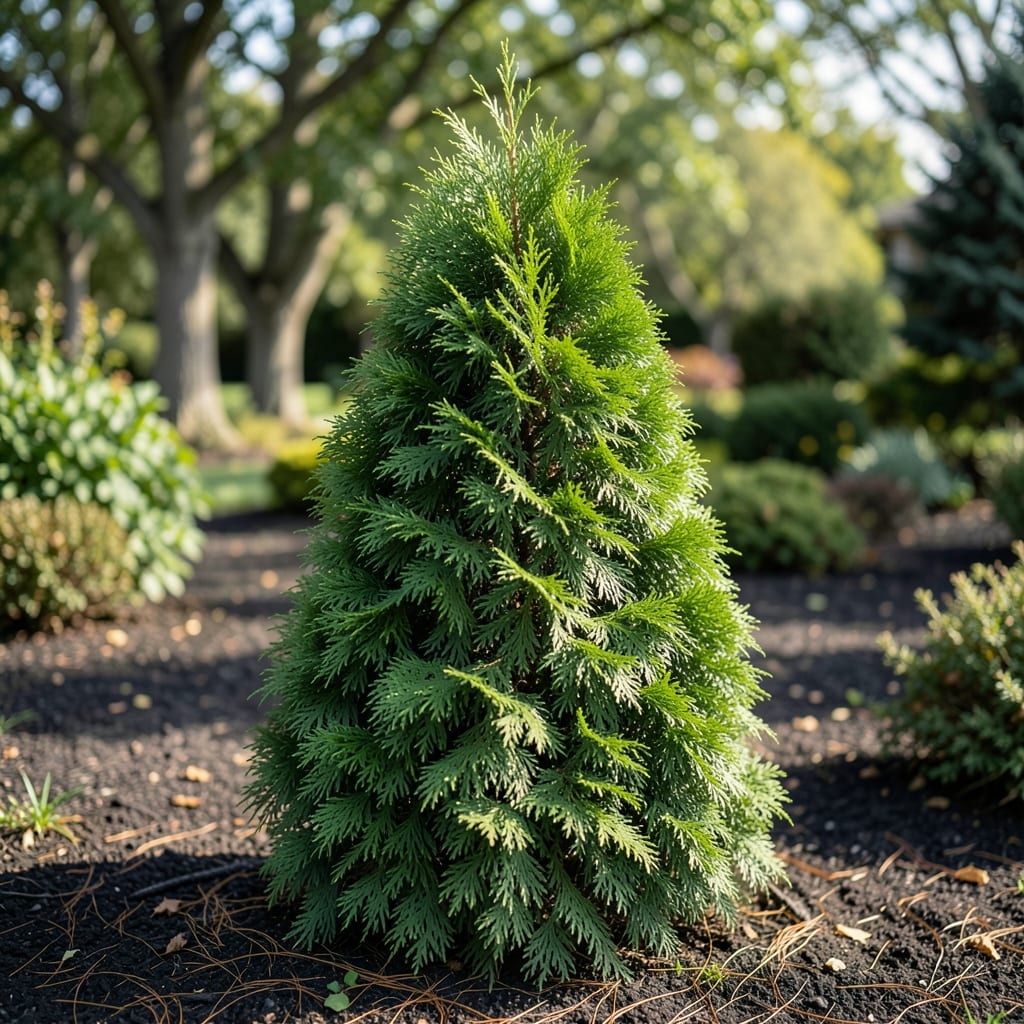
Wondering how tall do arborvitae emerald green grow before they become a landscaping challenge? These elegant 🌲 evergreens reach a mature height of 12–15 feet—tall enough for privacy screens but manageable for most yards when planted correctly.
What sets the Emerald Green apart is its steady growth rate of 12–24 inches per year, meaning you’ll see noticeable changes each season without sudden surprises. Whether you’re planning a hedge or a standalone statement plant, spacing matters—too close, and you’ll spend years pruning to keep them in check.
Here’s the key: proper planting in well-drained soil with partial to full sun ensures they grow to their ideal height without stress. We’ll cover spacing guidelines, pruning tips, and how to maintain their shape so they stay healthy and looking their best.
Ready to transform your landscape? Let’s dive into everything you need to know to get the perfect height for your Emerald Green arborvitae—without the headaches.


Arborvitae Emerald Green mature height: exact growth limits & spacing guidelines
Emerald Green arborvitae typically reach a mature height of 12–15 feet with a spread of 3–4 feet, making them ideal for privacy screens or focal points in medium-sized yards. Unlike their taller cousins like the Green Giant (which can hit 40+ feet), these stay compact yet substantial—perfect for defining property lines or adding year-round greenery.
Their growth rate is steady, averaging 12–24 inches per year, so you’ll see noticeable height increases each season without sudden vertical explosions. In optimal conditions—well-drained soil and full sun exposure10 years, though slower growth is normal in cooler climates.
Here’s the critical spacing guideline: plant Emerald Green arborvitae 3–5 feet apart for hedges or 6–8 feet apart if using them as standalone plants. Crowding them too close leads to stunted growth, poor airflow (inviting pests), and the need for aggressive pruning later. Think of it like giving each plant its own personal bubble!
| Growth Metric | Details | Notes |
|---|---|---|
| Mature Height | 12–15 feet | Taller than standard mailbox but shorter than garage door |
| Annual Growth | 12–24 inches | Faster in full sun, slower in shade |
| Hedge Spacing | 3–5 feet apart | Prevents overcrowding and disease |
| Standalone Spacing | 6–8 feet apart | Allows full growth potential |
| Time to Mature | 8–10 years | Slower in cooler climates (Zones 3–5) |
For comparison, the Green Giant arborvitae grows 3x taller (up to 40 feet) but requires more space and maintenance. Emerald Green’s compact size makes it the smart choice for urban yards or smaller properties where space is limited. Their narrow, columnar shape also means they won’t sprawl like other shrubs, saving you pruning headaches.
If you’re using them for a privacy hedge, aim for 3 plants per linear foot (e.g., 3 plants for every 3 feet of space). This creates a dense, unbroken screen by year 5. For windbreaks, space them 8–10 feet apart to allow airflow while still blocking cold winds. Always plant them in trenches to encourage deep root growth—this stability helps them withstand storms.
Pro tip: Measure your space before buying! A 15-foot-tall arborvitae planted too close to a 10-foot fence will end up towering over it, creating an awkward silhouette. Use a measuring tape or string line to visualize their mature height against your property lines, windows, or driveways.
One common mistake is assuming "full sun" means 24/7 sunlight. Emerald Green tolerates partial shade (especially in hot climates), but 6+ hours of direct sun is ideal for maximum growth. In shadier spots, expect slower height gains—possibly 10–12 feet max instead of 15 feet.
Ready to plant? Start with well-amended soil (add compost or peat moss if your soil is clay-heavy) and a slow-release fertilizer to kickstart growth. With the right spacing and care, your Emerald Green arborvitae will thrive for decades—adding year-round color and structure to your landscape without the upkeep of faster-growing alternatives.
How to control arborvitae Emerald Green height: pruning tips & common mistakes
Pruning your Arborvitae Emerald Green isn’t just about keeping them tidy—it’s about controlling their height and encouraging healthy growth. Since these evergreens grow 12–24 inches per year, strategic pruning can help you maintain their 12–15 foot mature height or even shape them into a neat hedge. The best time to prune is late winter or early spring, just before new growth begins. This timing minimizes stress and promotes vigorous regrowth.
Start by removing dead, diseased, or crossing branches first—these can stunt growth and attract pests. Use clean, sharp pruners to make cuts just above a healthy bud or branch collar. Avoid cutting into old wood, as new growth won’t sprout from it. For height control, focus on the top third of the plant, trimming back no more than 1/3 of the current year’s growth at a time. Over-pruning can shock the plant and lead to brown, woody growth.
If you’re aiming for a uniform hedge shape, use a hand pruner or hedge shears to trim the outer edges at a 45-degree angle. This encourages branches to fill in naturally. For standalone plants, prune the top center slightly more than the sides to maintain their natural columnar shape. Avoid shearing too aggressively—this can create a dense, bushy top with sparse lower branches, leaving your arborvitae looking top-heavy and leggy.
- Stunted growth from removing too many branches at once
- Sunburn damage on new growth if pruned too late in the season
- Pests/disease entry from ragged cuts or dirty tools
- Woody, sparse regrowth if cutting into old wood
For container-grown Emerald Green arborvitae, pruning is even more critical since their root space is limited. Trim back 10–20% of the height annually to encourage compact, bushy growth. Use sterilized pruners and water thoroughly after pruning to reduce stress. In containers, these plants may grow 1–2 feet shorter than their ground-planted counterparts due to restricted root systems.
Seasonal timing matters! Prune in late winter (February–March) to shape the plant before spring growth, or early summer (June) for a second light trim to maintain shape. Avoid pruning in fall or winter, as this can leave fresh cuts vulnerable to freeze damage or fungal infections. If you notice brown, crispy tips after pruning, it’s often a sign of over-pruning or drought stress—reduce watering slightly and wait until spring to prune again.
One of the biggest mistakes gardeners make is using dull or dirty pruners, which can tear branches and invite disease. Always sterilize your tools with rubbing alcohol between cuts, especially if your arborvitae shows signs of spider mites or bagworms. For large branches, use loppers or a handsaw and seal the cuts with pruning sealant to prevent moisture loss. With the right technique, your Emerald Green will stay lush, healthy, and at your desired height for decades.