
Size
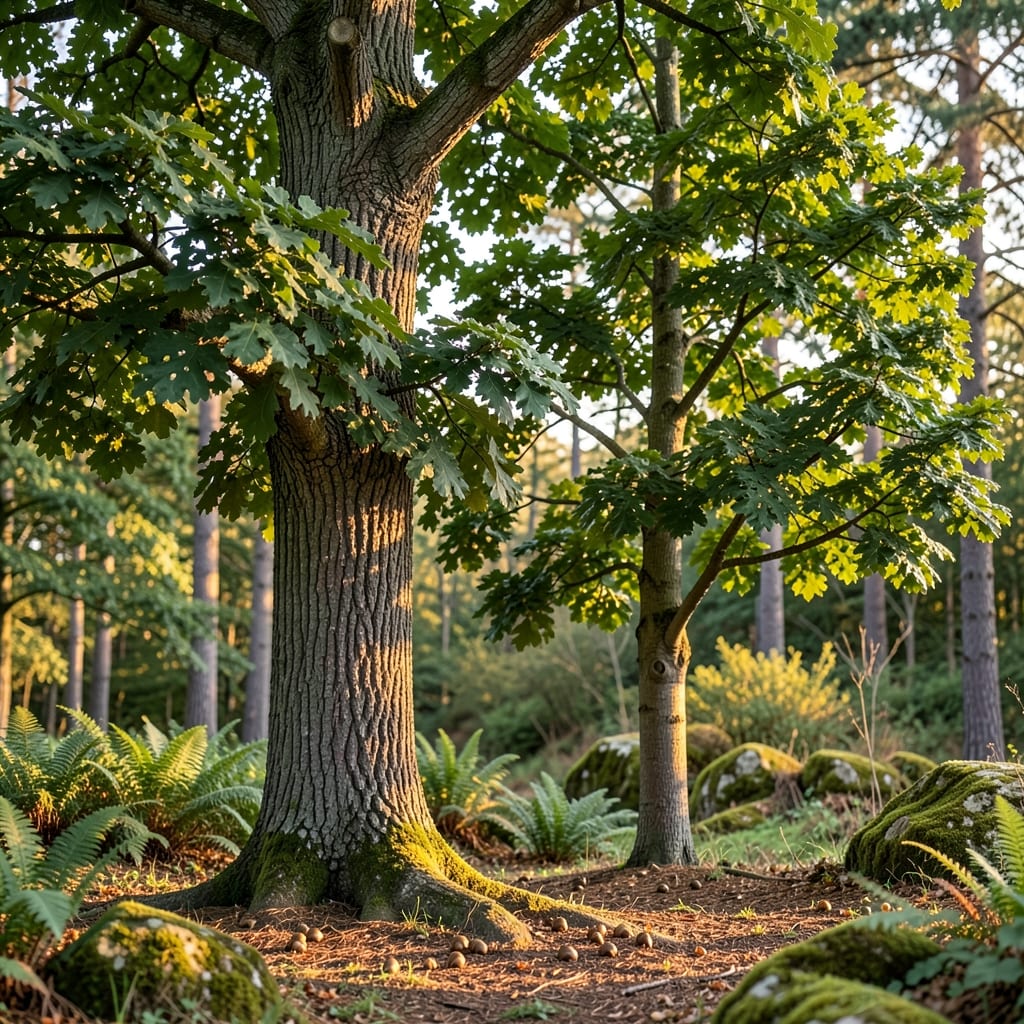
Have you ever gazed up at a towering oak tree and wondered how tall an oak tree can grow? The answer might surprise you—some oak species stretch toward the sky with heights that rival multi-story buildings, creating natural skyscrapers that shape entire landscapes.
Oak trees aren’t just impressive in size; they’re also symbols of strength and longevity. In ideal conditions, certain varieties can reach heights of 100 feet or more, with some legendary specimens even surpassing that mark. Whether you're a gardener dreaming of a backyard giant or simply curious about nature's wonders, understanding these towering trees is fascinating.
But what makes an oak tree grow so tall? The answer lies in a mix of genetics, climate, and care. Different species have unique growth potentials, and factors like soil quality, sunlight, and water availability play crucial roles. If you're planning to plant one, knowing these details can help you nurture a tree that reaches its full potential—while staying healthy and strong.
In this guide, I’ll break down the tallest oak species, the factors that influence their growth, and practical tips to encourage maximum height. Let’s explore how these majestic 🌳 trees defy expectations and why they remain one of nature’s most awe-inspiring creations.


Record heights of oak tree species: tallest varieties explained
Oak trees are nature’s skyscrapers, with some species stretching toward the sky like ancient sentinels. The tallest oak trees can reach heights of 100 feet or more, rivaling the height of a 10-story building. Their growth potential depends heavily on the species, climate, and growing conditions. Let’s explore the giants of the oak world and what makes them so towering.
Among the most impressive species, the White Oak (Quercus alba) often leads the height race, with mature specimens exceeding 90 feet in ideal conditions. The Bur Oak (Quercus macrocarpa) isn’t far behind, sometimes surpassing 80 feet in open, sunny environments. These giants aren’t just tall—they’re also incredibly long-lived, with some White Oaks living for 300+ years while continuing to grow.
🌳
| Oak Species | Max Recorded Height | Growth Rate (Annual) | Key Growth Factors |
|---|---|---|---|
| White Oak | 90-100 ft | 1-2 ft (young), 0.5-1 ft (mature) | Full sun, well-drained soil, USDA Zones 3-9 |
| Bur Oak | 70-85 ft | 1.5-2 ft (young), 0.3-0.8 ft (mature) | Cold-hardy, drought-tolerant, Zones 2-8 |
| Pin Oak | 60-75 ft | 2-3 ft (young), 0.2-0.5 ft (mature) | Moist soil, Zones 4-8, fast early growth |
| Red Oak | 70-90 ft | 1-2 ft (young), 0.4-0.7 ft (mature) | Well-drained soil, Zones 3-8, prefers acidic soil |
The White Oak holds the record for the tallest oak in the U.S., with some specimens in Michigan and Ohio reaching over 100 feet. These trees thrive in rich, loamy soil with ample sunlight, often found in forests and open meadows. In contrast, the Bur Oak excels in drier, colder climates, making it a hardy choice for northern gardens.
Regional variations play a huge role in oak height. For example, Southern Live Oaks (Quercus virginiana) in Florida and Georgia can grow 60-80 feet tall but develop a more sprawling, wide canopy due to warmer climates. Meanwhile, Northern Red Oaks (Quercus rubra) in the Midwest often grow taller and straighter, reaching 80+ feet in ideal conditions.
Climate isn’t the only factor—soil quality and water availability also impact height. Oaks planted in well-drained, nutrient-rich soil with consistent moisture during their first few years will grow significantly taller than those in poor soil or drought conditions. Even the spacing between trees matters; oaks planted too closely compete for resources and grow shorter.
One fascinating fact: the oldest and tallest oaks often share the same traits—thick bark, deep root systems, and slow, steady growth. Unlike fast-growing trees, oaks invest energy in structural integrity rather than rapid height increases. This is why a 100-year-old oak might only be 60 feet tall but still be healthier than a 30-year-old oak that grew too quickly.
If you’re dreaming of a towering oak in your landscape, consider the White Oak or Bur Oak for maximum height potential. Just remember: patience is key—these giants take decades to reach their full stature, but the reward is a centuries-long legacy in your yard.
🌿
Factors influencing oak tree height: climate, soil, and care tips
Oak trees don’t grow to their maximum height by chance—it’s a combination of genetics, environment, and care. The species you choose sets the baseline, but factors like climate, soil quality, and even pruning practices can push a tree toward its towering potential—or hold it back.
For example, a white oak might reach 80-100 feet in ideal conditions, but in poor soil or with limited sunlight, it could stay under 50 feet. Understanding these variables helps you create the perfect environment for your oak to thrive and grow tall.
🌱
- 🌡️ Climate: Oak trees thrive in USDA Zones 3-9, with taller growth in warmer, humid climates like the Southeast U.S.
- 🌿 Soil: Well-drained, slightly acidic soil (pH 5.0-7.0) promotes faster, healthier growth.
- ☀️ Sunlight: Full sun (6+ hours daily) is critical—shady spots stunt growth.
- 💧 Water: Deep watering once a week for young trees; established oaks need less but benefit from consistent moisture.
- ✂️ Pruning: Remove dead or crossing branches in late winter to encourage upward growth.
- 🌱 Companion Plants: Avoid planting near competing roots like maples or pines; give oaks space to spread.
One often-overlooked factor is the root system. Oak trees develop deep, expansive roots that anchor them firmly and absorb nutrients from deep soil layers. If your soil is compacted or poorly drained, roots struggle to grow, limiting the tree’s height and stability.
In my experience, young oak trees grow fastest in their first 10-15 years, adding 1-2 feet per year under ideal conditions. After that, growth slows, but with proper care, they can continue gaining height for decades. For instance, a bur oak in Minnesota might grow slower due to colder winters, while a live oak in Florida can shoot up faster thanks to warmer temperatures.
To maximize height, focus on soil health and pruning strategy. Test your soil for nutrients and amend it with compost or organic matter if needed. And remember—patience is key. Oak trees are long-lived; some live over 200 years, so give yours time to reach its full potential. 🌳