
Trees
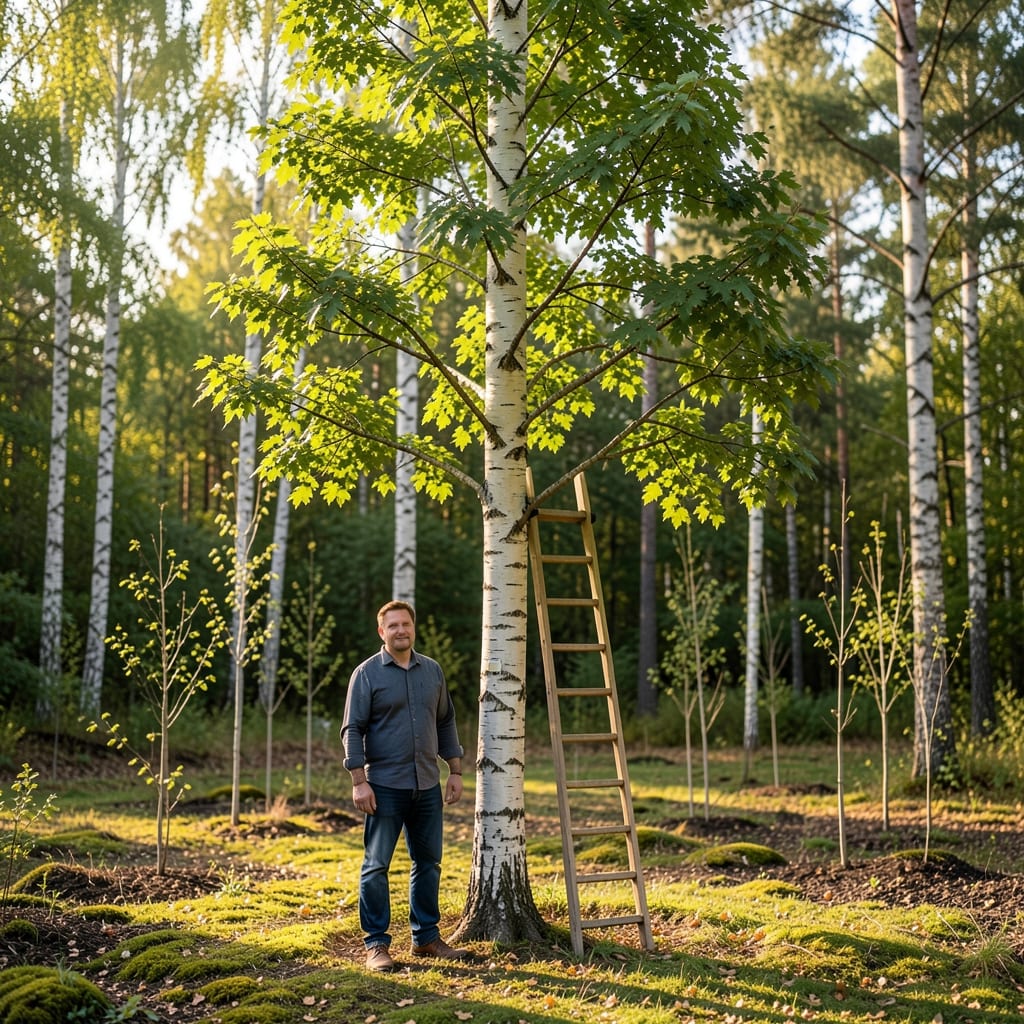
Wondering how tall can a birch tree grow before it becomes a backyard giant? The answer might surprise you—some varieties stretch toward the sky like natural skyscrapers, while others stay perfectly manageable for smaller spaces. Whether you're dreaming of a fast-growing shade provider or a delicate ornamental 🌳, knowing the height range of your chosen species is key.
Birch trees come in all sizes, from dwarf varieties that top out around 15 feet to towering Paper Birches that can reach 70 feet or more. The difference between these extremes often comes down to species, growing conditions, and even your local climate in zones like 6a. If you're planning your landscape this summer, understanding these variations will help you pick the perfect fit for your space.
But height isn't just about species—soil quality, sunlight exposure, and proper care can all push a tree toward its full potential (or hold it back). For example, River Birches grow faster in well-draining soil, while Yellow Birches thrive with partial shade. We'll break down the best conditions to help your birch reach its maximum height without overpowering your yard.
Ready to make an informed choice? Let’s explore the tallest (and shortest) birch trees, how to maximize their growth, and why spacing matters when planting these elegant 🌳 giants. Your future shade tree is waiting!


Birch tree height by species: which grows tallest?
When planning your landscape, knowing how tall can a birch tree grow helps you choose the perfect variety for your space. Birch trees span a dramatic range—from delicate dwarf varieties to towering giants that can reach 70 feet or more. The species you select will determine whether your tree becomes a graceful accent or a towering shade provider for your entire yard.
For example, the Paper Birch (Betula papyrifera) is one of the tallest, often stretching 50–70 feet at maturity, while the Dwarf Birch (Betula pendula 'Fastigiata') stays a modest 15–25 feet. Understanding these differences ensures you pick a tree that fits your vision—and your property size.
Here’s a quick comparison of the most popular birch species and their mature heights, so you can make an informed decision before planting this summer.
| Species | Average Height | Max Height | Growth Rate | Best For |
|---|---|---|---|---|
| Paper Birch (Betula papyrifera) | 50–70 ft | 75+ ft | 1–2 ft/year | Large yards, shade |
| Yellow Birch (Betula alleghaniensis) | 60–80 ft | 90+ ft | 1–2 ft/year | Woodlands, privacy screens |
| River Birch (Betula nigra) | 40–60 ft | 70 ft | 2–3 ft/year | Wet soils, fast shade |
| Dwarf Birch (Betula pendula 'Fastigiata') | 15–25 ft | 30 ft | 6–12 in/year | Small spaces, containers |
| Heritage Birch (Betula papyrifera 'Heritage') | 30–40 ft | 50 ft | 1–2 ft/year | Medium yards, ornamental |
The Paper Birch and Yellow Birch are the tallest birch species, often surpassing 60 feet and even reaching 90 feet in ideal conditions. These giants are perfect for large properties where you want dramatic height and natural shade. If you’re in USDA Zone 6a, these varieties thrive with proper care and spacing.
On the other hand, the Dwarf Birch is ideal for smaller yards, patios, or even large containers. Its compact size—typically 15–25 feet—makes it a versatile choice for urban gardens or as a focal point in a flower bed. Even the Heritage Birch, a semi-dwarf variety, stays manageable at 30–40 feet while still offering the iconic birch bark texture.
Choosing the right species isn’t just about height—it’s also about how quickly you want your tree to grow. For example, River Birch grows 2–3 feet per year, making it one of the fastest options for quick shade or privacy. Meanwhile, the Paper Birch grows more slowly but reaches impressive heights over time.
Before planting, consider your yard’s layout and mature tree heights. A 70-foot birch near your house could become a problem, while a 20-foot dwarf variety might feel too small for your vision. Always check local regulations on tree planting, especially in suburban areas where large trees may be restricted.
If you’re unsure which species to choose, start with the River Birch for fast growth or the Dwarf Birch for small spaces. Both offer stunning foliage and that signature peeling bark—without overwhelming your landscape.
Now that you know the height ranges, the next step is ensuring your birch tree reaches its full potential. Proper planting, soil conditions, and sunlight exposure can make all the difference in how tall your tree grows over time.
Fastest-growing birch trees for quick shade & privacy
If you're craving fast shade or a privacy screen without waiting decades, some birch varieties deliver impressive growth rates—up to 2–3 feet per year under ideal conditions. These speedy growers maintain their signature peeling bark and delicate foliage while reaching maturity faster than slower-growing species. Whether you're planting in zone 6a or beyond, these varieties are perfect for impatient gardeners.
For quick results, focus on River Birch and Yellow Birch varieties, which top out at 40–60 feet but can add 10+ feet in just 5 years. Even their dwarf cousins, like Betula pendula 'Fastigiata', grow 1–2 feet annually, making them ideal for smaller spaces. The key? Planting in well-draining soil with full sun exposure to unlock their full growth potential.
Grows 2–3 ft/year in ideal conditions, reaching 40–60 ft at maturity. Loves moist, well-draining soil and thrives in USDA zones 4–9.
Adds 1–2 ft/year, maturing at 50–70 ft. Prefers rich, acidic soil and partial shade in hot climates.
Compact but speedy—1–2 ft/year—topping out at 15–25 ft. Perfect for small yards or container growing.
To maximize growth, avoid over-pruning young trees, as this can slow their upward momentum. Instead, focus on deep watering (especially in summer months) and mulching around the base to retain moisture. With the right care, you could see your birch tree casting full shade in just a few years—no skyscraper waiting required!
Need even faster results? Pair your birch with native shrubs like arrowwood viburnum for layered privacy while you wait for your tree to fill out. Your yard will thank you for the 🌳 shade!