
Trees
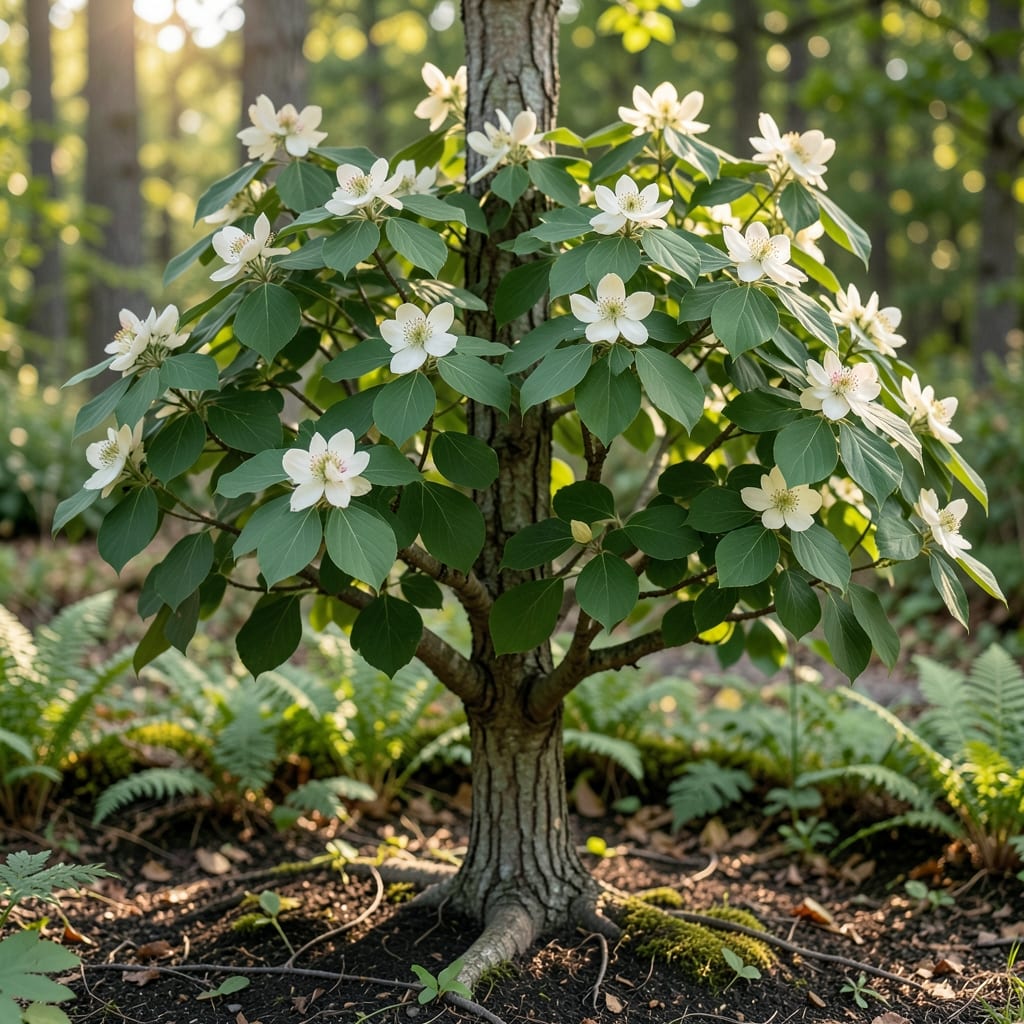
If you've ever wondered just how tall that stunning 🌳 Dogwood Tree in your neighbor's yard could grow, the answer might surprise you—some varieties reach towering heights of 40 feet or more, while others stay compact enough for small gardens.
This beautiful tree isn't just about height—it's about the perfect fit for your landscape. Whether you're dreaming of a graceful shade provider or a showstopping ornamental centerpiece, understanding the growth potential of different dogwood species is the key to making the right choice.
From the delicate blooms of Cornus florida to the robust stature of Pacific dogwoods, each variety has its own growth story. I'll break down what influences their height—soil, climate, and even pruning—and how you can encourage (or control) their growth to match your vision.
Ready to discover which dogwood will thrive in your space? Let's explore the 10-40 foot range and find the perfect match for your garden's needs.


Dogwood tree height by variety: from dwarf to giant species
When planning your landscape, the first question I ask myself is: how tall can a dogwood tree grow? The answer varies dramatically—from petite shrubs under 10 feet to towering giants reaching 40 feet or more. Each dogwood species brings its own unique height profile, making them perfect for everything from small urban yards to sprawling estates.
For example, the Pacific dogwood (Cornus nuttallii) can soar to 30-40 feet, while the dwarf dogwood (Cornus florida 'Compacta') stays a modest 8-12 feet. These differences aren't just about aesthetics—they impact your tree's ability to provide shade, support wildlife, or complement your home's architecture.
Let's explore the height ranges of the most popular dogwood varieties, along with their growth habits and ideal growing conditions. This comparison will help you visualize which size fits your space and style.
| Variety | Mature Height | Growth Rate | Best For | USDA Zone |
|---|---|---|---|---|
| Pacific Dogwood (Cornus nuttallii) | 30-40 ft | Moderate (1-2 ft/year) | Large landscapes, shade trees | 5-8 |
| Flowering Dogwood (Cornus florida) | 20-30 ft | Moderate (1-2 ft/year) | Ornamental gardens, small yards | 5-9 |
| Dwarf Dogwood (Cornus florida 'Compacta') | 8-12 ft | Slow (6-12 in/year) | Urban gardens, containers | 5-9 |
| Kousa Dogwood (Cornus kousa) | 15-25 ft | Slow (6-12 in/year) | Small yards, wildlife gardens | 5-8 |
| Yellow Twig Dogwood (Cornus sericea) | 6-10 ft (shrub form) | Moderate (1-2 ft/year) | Wetlands, shrub borders | 2-7 |
| Cornelian Cherry Dogwood (Cornus mas) | 15-20 ft | Moderate (1-2 ft/year) | Edible fruit, ornamental | 5-8 |
The Pacific dogwood stands out as the tallest variety, often becoming a dominant feature in large landscapes. Its height makes it ideal for providing deep shade and creating a focal point in open areas. If you're working with limited space, the dwarf varieties like 'Compacta' offer all the beauty without the bulk.
One factor that influences height is the growth rate. Faster-growing varieties like the Pacific dogwood can add 1-2 feet per year, while slower growers like the Kousa dogwood might only gain 6-12 inches annually. This difference affects how quickly your tree will reach its mature height and provide the benefits you're looking for.
Climate also plays a crucial role. For instance, Pacific dogwoods thrive in cooler, moist climates of the Pacific Northwest, while flowering dogwoods adapt well to the southeastern U.S.. Always check the USDA hardiness zone when selecting a variety to ensure it will thrive in your region.
Beyond height, consider how each variety's canopy spread will interact with your landscape. A 30-foot-tall Pacific dogwood might have a 20
Dogwood tree height by variety: from dwarf to giant species
Choosing a dogwood tree often comes down to one key question: how tall can it grow? The answer varies dramatically depending on the species and variety. Some stay as low as 8 feet, perfect for small gardens, while others reach 40 feet, making them statement pieces in large landscapes.
For example, the Pacific dogwood (Cornus nuttallii) can tower up to 40 feet, while the dwarf dogwood (Cornus florida 'Compacta') maxes out at just 8–12 feet. Understanding these differences helps you pick the right tree for your space and aesthetic goals.
Here’s a quick comparison of popular dogwood varieties and their mature heights to help you visualize their potential:
| Variety | Mature Height | Growth Rate | Best For |
|---|---|---|---|
| Pacific Dogwood (Cornus nuttallii) | 30–40 ft | Slow to moderate | Large landscapes, shade trees |
| Flowering Dogwood (Cornus florida) | 20–30 ft | Moderate | Ornamental gardens, small yards |
| Dwarf Dogwood (Cornus florida 'Compacta') | 8–12 ft | Slow | Small gardens, containers |
| Kousa Dogwood (Cornus kousa) | 20–25 ft | Moderate | Urban landscapes, pollinator gardens |
| Cornelian Cherry Dogwood (Cornus mas) | 15–20 ft | Moderate | Edible fruit, hedges |
The Pacific dogwood is the tallest, often reaching 40 feet in ideal conditions, while the dwarf varieties like 'Compacta' stay under 12 feet. If you’re working with limited space, consider semi-dwarf options like 'Aurora' (12–18 feet) or 'Cherokee Brave' (15–20 feet) for a balance of height and manageability.
Climate also plays a role in height. Dogwoods thrive in USDA Zones 5–8, but those in cooler zones may grow slightly slower. For example, a Pacific dogwood in Zone 7 might max out at 35 feet instead of 40. Always check your local climate before committing to a large variety.
Ready to pick the perfect dogwood for your yard? The next step is matching its height to your space—and we’ll cover that in the next section! 🌳