
Trees
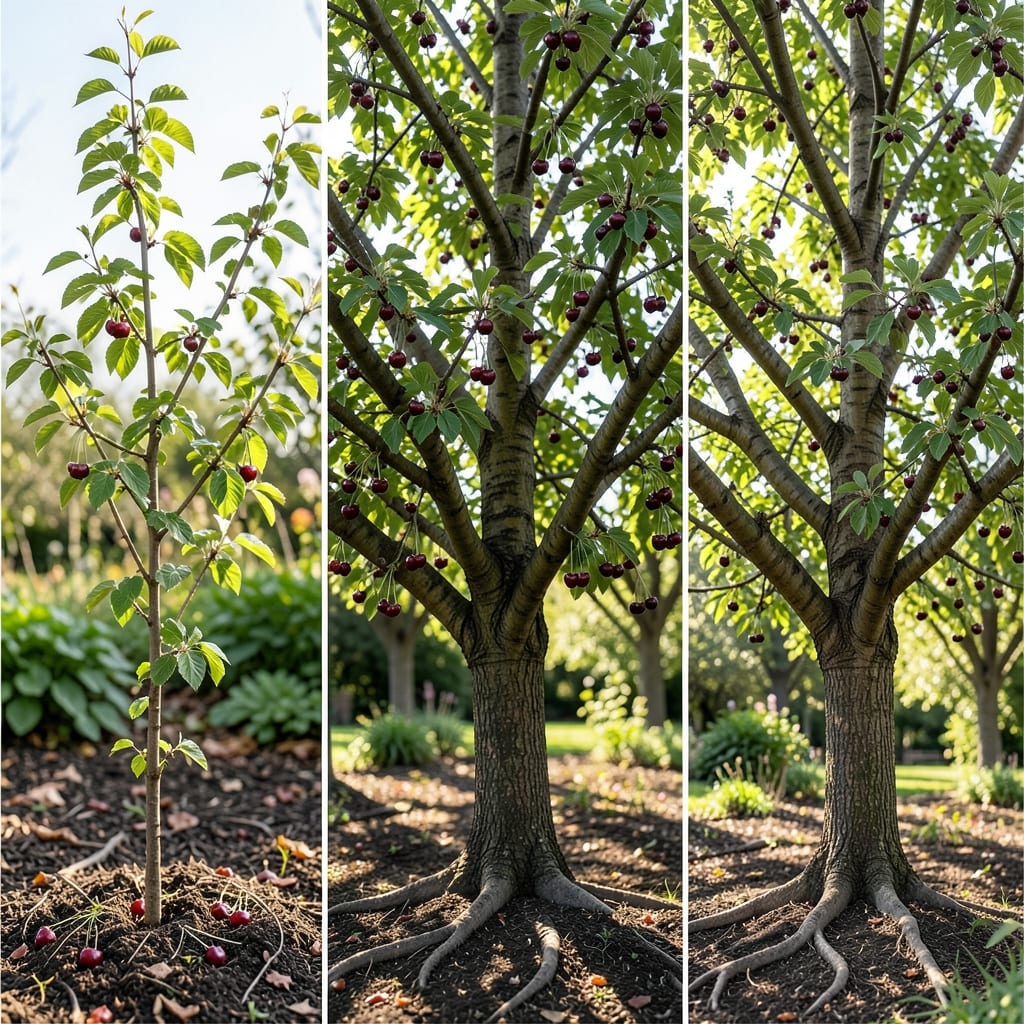
If you’ve ever wondered how tall that dreamy 🍒 cherry tree in your backyard can grow, the answer might surprise you. Some varieties stretch toward the sky like skyscrapers, while others stay neatly contained—all depending on the type and care you provide. Whether you’re planning a cozy patio garden or a sprawling orchard, knowing these height ranges is the key to making your cherry tree vision a reality.
Standard cherry trees can reach heights of 20 to 50 feet, towering over fences and rooftops, while dwarf varieties stay a manageable 8 to 12 feet tall—perfect for small spaces. But here’s the twist: pruning, soil quality, and even your climate zone can push a tree’s height up or down by 30% or more. That means the right care could turn a modest shrub into a backyard giant—or keep a towering tree in check.
In this guide, I’ll break down the height differences between sweet and tart cherries, share pruning secrets to control growth, and reveal the 5 biggest factors that determine whether your cherry tree will stay small or shoot for the clouds. Ready to plan your perfect tree? Let’s get started.
From dwarf varieties that fit snugly in containers to standard trees that need room to stretch, understanding these details will help you choose the right cherry tree for your space—and enjoy its fruit (and shade!) for years to come.


Cherry tree height by variety: from dwarf to towering giants
When planning your cherry tree dream, the first question is always: how tall can a cherry tree grow? The answer varies wildly—from compact dwarf varieties that fit cozy backyards to giant specimens that dwarf three-story buildings. Understanding these differences helps you choose the perfect tree for your space and care style.
Cherry trees fall into four main height categories: dwarf (8–12 ft), semi-dwarf (12–18 ft), standard (20–50 ft), and ornamental giants (up to 60+ ft). Each category offers unique benefits, from easy harvesting to stunning spring blooms. Let’s explore the tallest and shortest varieties side by side.
| Variety | Mature Height | Spacing Needs | Best For |
|---|---|---|---|
| Dwarf (e.g., 'Stella', 'Compact Stella') | 8–12 ft | 10–15 ft from structures | Small gardens, containers, urban yards |
| Semi-Dwarf (e.g., 'Montmorency', 'Black Tartarian') | 12–18 ft | 15–20 ft from structures | Home orchards, medium yards |
| Standard (e.g., 'Bing', 'Rainier') | 20–50 ft | 30–50 ft from structures | Large properties, shade trees, fruit production |
| Ornamental Giants (e.g., 'Kanzan', 'Okame') | 30–60+ ft | 50–70 ft from structures | Landscaping focal points, parks, large estates |
Dwarf varieties like 'Stella' are perfect for small urban spaces or even large containers. Their compact size makes harvesting cherries effortless, but they produce fewer fruits than their taller counterparts. Meanwhile, standard varieties like 'Bing' dominate landscapes with their towering canopies, ideal for fruit production and shade provision.
Ornamental cherry trees, such as 'Kanzan', are the showstoppers of the group. These flowering giants can reach 60 feet or more, creating dramatic spring displays with their pink and white blossoms. However, their massive size requires careful planning—ensure you have 50+ feet of clearance for branches and roots.
For sweet cherry lovers, varieties like 'Lapins' (semi-dwarf) offer a balance between manageable height (15–20 ft) and abundant fruit. In contrast, tart cherry varieties like 'Montmorency' (semi-dwarf) stay slightly shorter (12–18 ft) but pack a punch with their tart, versatile fruit.
If you’re torn between varieties, consider your primary goal: Are you growing for fruit, shade, or aesthetic appeal? Dwarf trees excel for fruit lovers with limited space, while ornamental giants steal the show in landscape design. Always check the mature height and spacing needs before planting to avoid future headaches.
Pro tip: When in doubt, choose a semi-dwarf variety. They offer a happy medium—easier to manage than standard trees but still productive and visually striking. Plus, their 12–18 ft height fits neatly into most backyards without overwhelming smaller properties.
Remember, height isn’t set in stone. With proper pruning and care techniques, you can influence your cherry tree’s growth trajectory. Whether you’re aiming for a compact bush or a sky-high canopy, the right variety and maintenance plan will help you achieve your vision.
How pruning and care control your cherry tree’s height
One of the most effective ways to manage your cherry tree’s height is through strategic pruning. Whether you want to keep a dwarf variety compact or encourage a standard tree to reach its full potential, pruning at the right time and with the right techniques makes all the difference. The key is understanding when to prune—late winter or early spring—before new growth begins. This timing ensures you’re shaping the tree’s structure without disrupting its natural flowering cycle.
For young cherry trees, focus on open-center pruning to encourage a strong, wide canopy. Remove suckers (shoots growing from the base) and water sprouts (vertical shoots) to direct energy upward. In contrast, mature trees benefit from selective thinning to improve airflow and sunlight penetration, which reduces disease risk and encourages healthier growth. Remember, never prune more than 25% of the canopy in a single session to avoid stressing the tree.
- 1 Prune in late winter (before buds swell) to remove dead, diseased, or crossing branches.
- 2 Thin the canopy by removing 10-20% of branches to improve airflow and sunlight exposure.
- 3 Head back tall branches by cutting just above a bud to control height in standard varieties.
- 4 Remove suckers and water sprouts regularly to maintain the desired shape and size.
- 5 Avoid summer pruning to prevent fungal infections and stress on the tree.
Beyond pruning, soil nutrition plays a crucial role in controlling height. Cherry trees thrive in well-draining, slightly acidic soil (pH 6.0–6.5). Amend your soil with compost or organic matter to encourage strong root development, which naturally supports a healthier, more controlled canopy. Over-fertilizing with nitrogen can lead to excessive leafy growth and weaker fruit production, so always follow a balanced fertilizer schedule (e.g., 10-10-10 NPK ratio).
For dwarf varieties, consider root restriction techniques like planting in large containers or using root pruning to limit root expansion. This method mimics the natural dwarfing effect of grafting but requires careful monitoring to avoid stunting the tree entirely. Conversely, standard varieties benefit from deep watering and mulching to encourage vigorous growth. Water deeply once a week during dry spells, ensuring the soil stays consistently moist but not waterlogged.
Seasonal care also impacts height. In winter, protect young trees from winter burn by wrapping the trunk with tree guard or burlap. During spring, apply a light layer of mulch (2–3 inches) around the base to retain moisture and regulate soil temperature. Avoid piling mulch against the trunk, as this can promote rot and pest infestations. By combining pruning discipline, soil management, and seasonal adjustments, you can guide your cherry tree’s height to match your vision—whether that’s a neat 10-foot bush or a grand 40-foot shade provider.
Pro tip: If you’re growing a fruit-bearing variety, prioritize fruitwood development over sheer height. Prune to open the center of the tree, allowing sunlight to reach lower branches where fruit develops. This approach ensures better yields while keeping the tree manageable. With patience and precision, you’ll have a cherry tree that’s both beautiful and bountiful—exactly the height you’ve always wanted.