
Flowers
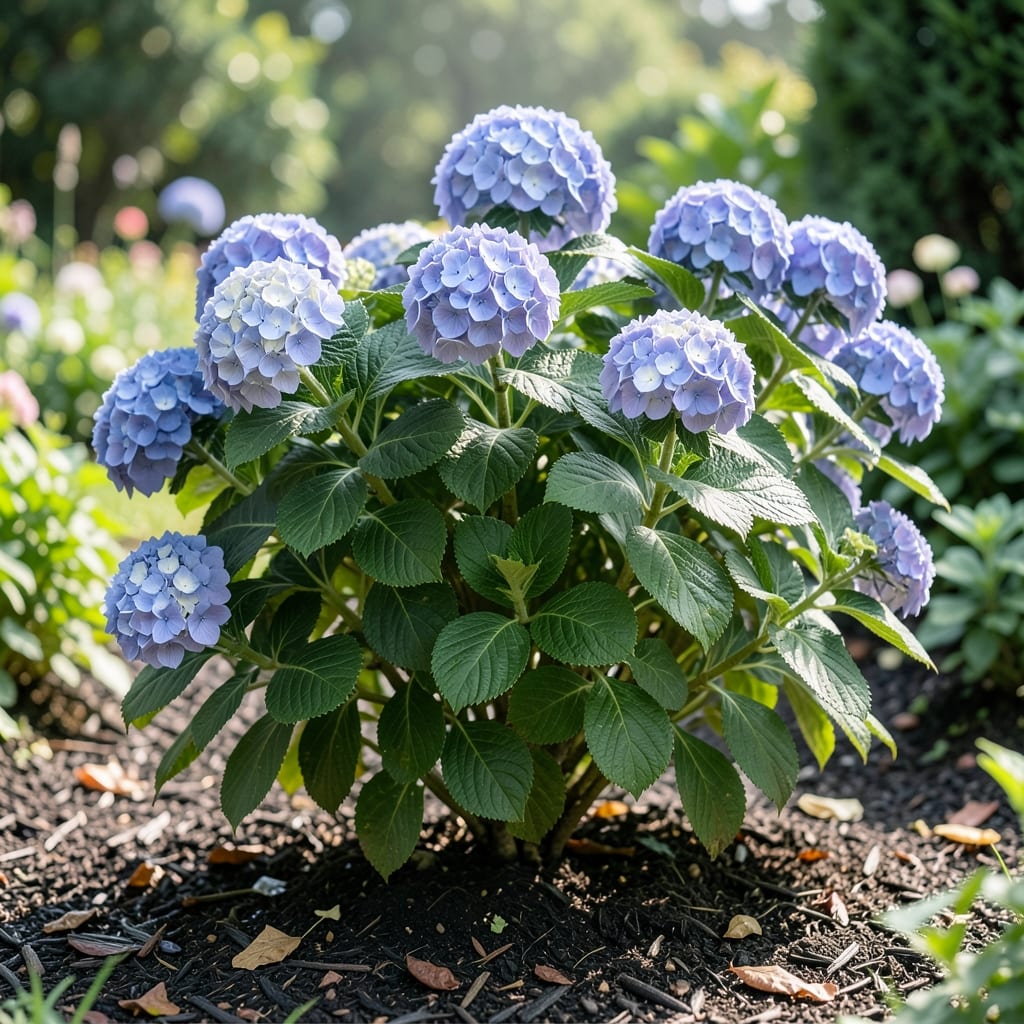
If you’ve ever wondered how tall and wide hydrangeas grow, you’re not alone—many gardeners struggle to plan their layouts without knowing these key details. These stunning 🌸 shrubs can range from compact 3-foot dwarfs to towering 8-foot giants, depending on the variety, and getting the spacing right is the difference between a lush garden and a crowded mess.
Whether you’re dreaming of dramatic mophead blooms or low-maintenance panicle hydrangeas, understanding their mature size helps you avoid overcrowding or wasting space. Some varieties, like the classic Bigleaf, spread 4–5 feet wide, while others, such as Limelight panicle types, can stretch up to 8 feet tall—making them perfect for statement focal points or privacy screens.
In this guide, I’ll break down the exact dimensions for popular hydrangea types, so you can choose the right spot for their full potential. You’ll also learn how pruning, sunlight, and soil can influence their growth—because even the most beautiful shrubs need the right conditions to thrive.
Ready to transform your garden with confident planting? Let’s dive into the specifics so you can pick the perfect hydrangea for your space—and watch it flourish year after year.


Hydrangea growth by variety: height and spread charts for popular types
Hydrangeas are one of the most versatile shrubs for gardeners, offering a stunning range of heights and spreads that can completely transform your outdoor space. But before you plant, knowing the mature size of each variety is crucial—whether you’re creating a privacy screen, adding a focal point, or filling a small container. The wrong spacing can lead to overcrowding, poor airflow, or even stunted growth.
Most hydrangeas fall into three main categories: Bigleaf (mophead), Panicle, and Oakleaf, each with distinct growth habits. For example, the classic mophead hydrangea typically reaches 3–6 feet tall and spreads 4–5 feet wide, while the towering Limelight panicle can soar up to 10 feet tall and stretch 8 feet wide. These differences mean your planting strategy should change based on the variety you choose.
Below is a detailed comparison of popular hydrangea varieties, including their mature height, spread, growth rate, and care tips to help you visualize their full potential in your garden. Use this as your guide to selecting the perfect hydrangea for your space—and avoid the common mistake of planting too closely together.
Now that you have a clear picture of how each variety grows, let’s talk about spacing requirements. For instance, planting mophead hydrangeas 4–6 feet apart ensures they have room to spread without competing for nutrients. Meanwhile, panicle types like Limelight need even more space—6–10 feet apart—to reach their full height and avoid overcrowding. This spacing also improves airflow, reducing the risk of fungal diseases like powdery mildew, which can plague hydrangeas in humid climates.
Another key factor influencing size is sunlight exposure. While most hydrangeas thrive in partial shade, varieties like Limelight panicle actually prefer full sun and will grow taller and bushier in these conditions. On the other hand, Bigleaf hydrangeas in full sun may produce fewer blooms and more leafy growth. Understanding these needs helps you place your hydrangeas in the ideal spot for both size and flowering performance.
If you’re working with limited space, don’t worry—there are dwarf varieties that stay compact while still delivering stunning blooms. For example, the Endless Summer hydrangea tops out at 3–5 feet tall and is perfect for containers or small gardens. These smaller options let you enjoy hydrangeas even in urban balconies or tight garden beds without sacrificing beauty.
Finally, remember that pruning plays a huge role in controlling hydrangea size. Bigleaf types should be pruned after flowering to encourage next year’s blooms, while panicle hydrangeas benefit from a late-winter prune to shape their growth. Oakleaf hydrangeas, on the other hand, require minimal pruning and thrive with a more natural, wild look. By following these guidelines, you can keep your hydrangeas at the perfect size for your garden.
With this chart
How to control hydrangea size: pruning and planting tips for compact growth
Once you’ve picked your hydrangea variety, the next step is managing its size to fit your garden perfectly. The key to controlling hydrangea growth lies in pruning timing, proper spacing, and soil health. Even the most dramatic varieties can be kept in check with the right techniques—without sacrificing those stunning blooms.
For example, mophead hydrangeas (like the classic 'Endless Summer') can easily sprawl into overcrowded messes if not pruned correctly. Meanwhile, panicle types (such as 'Limelight') grow aggressively tall and need strategic cuts to maintain their shape. Let’s break down the essentials so your hydrangeas stay lush but never overwhelming.
Bigleaf hydrangeas: Prune after flowering (late summer). Panicle types: Prune in late winter before new growth.
Plant mophead types 4–6 ft apart; panicle types 6–10 ft apart to prevent disease and encourage full size.
Amend clay soil with compost to reduce root-bound stress. Oakleaf hydrangeas thrive in well-draining soil with 1–2 inches of mulch.
Use slow-release fertilizer in spring for compact growth. Avoid high-nitrogen feeds, which promote leafy growth over blooms.
Let’s start with pruning, the most critical tool for controlling hydrangea size. Timing is everything—prune bigleaf hydrangeas (like 'Nikko Blue') after they’ve finished blooming in late summer. This ensures next year’s flower buds form on new wood. For panicle hydrangeas (such as 'Little Lime'), prune in late winter before new growth appears to encourage taller, fuller stems.
If you’re working with oakleaf hydrangeas, minimal pruning is usually best—they naturally have a more compact form. However, if yours is getting leggy, a light trim in late winter will encourage bushier growth. Remember, never prune in fall, as this can damage next year’s blooms.
Another game-changer is spacing. Hydrangeas need room to breathe, especially in humid climates where poor airflow invites fungal diseases. Plant mophead varieties at least 4–6 feet apart and panicle types 6–10 feet apart. If you’re growing them in containers, choose pots that are at least 15 gallons for dwarf varieties like 'Endless Summer'—this gives roots room to spread without becoming root-bound.
Don’t overlook the power of soil amendments. Hydrangeas thrive in well-draining, slightly acidic soil (pH 5.5–6.2). If your soil is heavy clay, mix in compost or peat moss to improve drainage and reduce root stress. For oakleaf hydrangeas, a 1–2 inch layer of mulch helps retain moisture and keeps roots cool.
Finally, fertilizer choices can make or break your hydrangea’s size. Opt for a balanced, slow-release fertilizer (like 10-10-10) in early spring to encourage steady growth without excessive leafiness. Avoid high-nitrogen fertilizers, which can lead to leafy monsters with few blooms. A light feeding after blooming helps maintain health without promoting late-season growth that won’t harden off before winter.