
Size
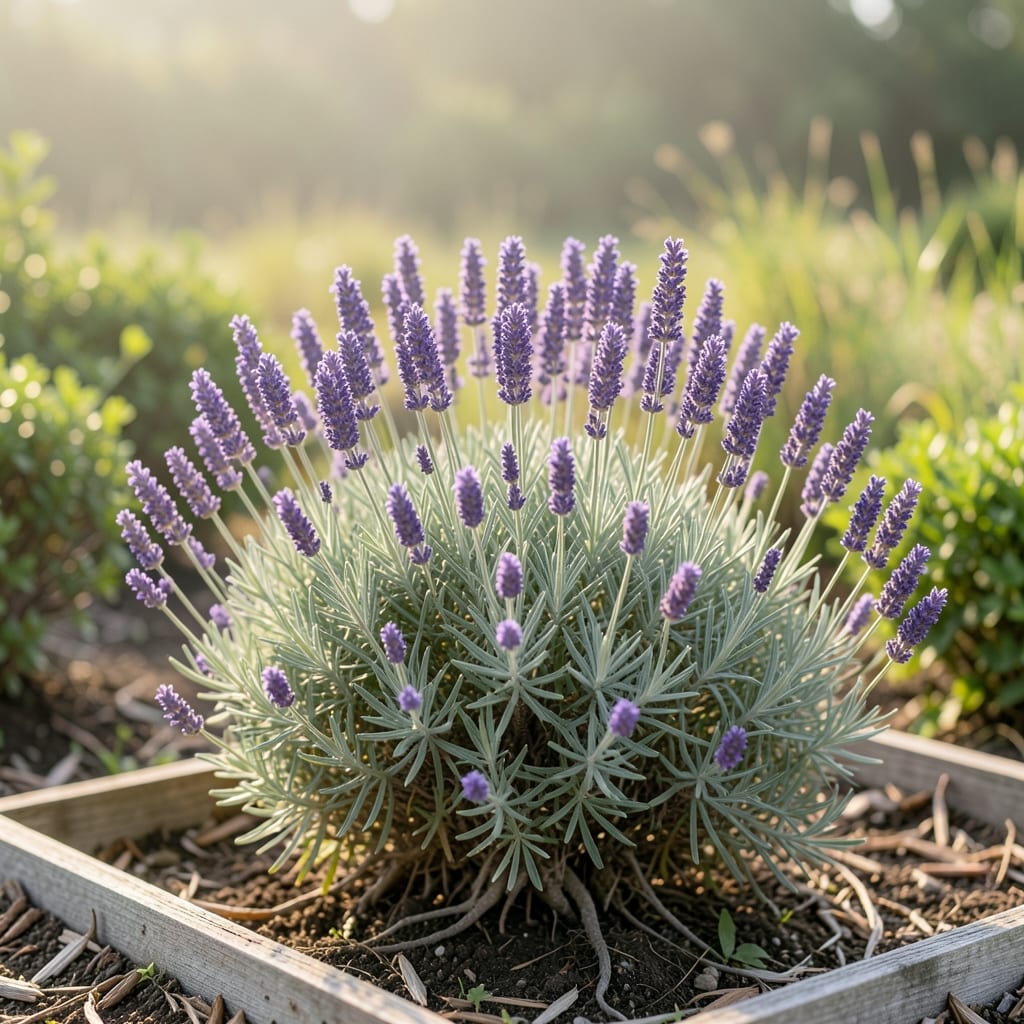
Wondering how tall and wide lavender grows before committing to planting? You might be surprised to learn that lavender’s size varies dramatically depending on the variety—some stay as small as 8 inches while others reach nearly 4 feet tall.
For small gardens or containers, compact varieties like 'Hidcote' or 'Munstead' are game-changers, topping out at just 1-2 feet tall and spreading 1-2 feet wide. Meanwhile, taller types like 'English lavender' can grow 3-4 feet tall but still maintain a relatively narrow spread of 2-3 feet.
Proper spacing is key—whether you’re planting in the ground or containers—to ensure airflow and prevent overcrowding. Learn how to choose the right variety for your space and keep your lavender thriving without sacrificing garden real estate.
From dwarf varieties perfect for window boxes to larger types ideal for borders, I’ll break down everything you need to know to make the most of your lavender’s growth potential—without letting it take over your yard.


Lavender growth dimensions: height, spread, and space requirements by variety
Understanding how tall and wide lavender grows starts with recognizing that not all lavender plants are created equal. The variety you choose determines whether you’ll need a sprawling border or can tuck it into a window box. For example, English lavender varieties like 'Munstead' typically reach 2-3 feet tall with a 2-foot spread, while French lavender like 'Grosso' can hit 3-4 feet tall but stays narrower at 1-2 feet wide.
Dwarf varieties are the secret weapon for small gardens. Plants like 'Hidcote' or 'Little Lady' max out at 12-18 inches tall and spread just 1-1.5 feet, making them perfect for containers or rock gardens. Even Spanish lavender, often overlooked, stays compact at 1-2 feet tall and 2 feet wide, with the added bonus of silvery foliage that adds texture.
Proper spacing between plants is critical—whether in the ground or containers—to ensure airflow and prevent disease. For standard varieties, plant 2-3 feet apart in rows, while dwarf types can be spaced 12-18 inches apart. In containers, aim for one plant per 6-inch pot to avoid root competition. Overcrowding leads to woody stems and reduced flowering, so don’t skimp on space!
Climate plays a surprising role in lavender’s size. In hot, dry climates like the Southwest U.S., lavender often grows taller and bushier due to stress-induced growth. Meanwhile, in cooler coastal regions, the same variety might stay shorter and more compact. Always check your USDA hardiness zone—most lavender thrives in zones 5-9—and adjust spacing accordingly.
When planning your garden layout, think beyond just height and width. Lavender’s growth habit—whether upright, mounding, or trailing—affects how you use it. For example, upright varieties like 'Munstead' work beautifully as hedges or screening plants, while trailing types like 'Goodwin Creek Grey' spill elegantly over containers or walls. Mixing varieties with different habits creates visual interest while keeping the space efficient.
For container gardening, choose a pot with drainage holes and fill it with a well-draining soil mix (like 60% potting soil, 30% perlite, and 10% sand). A 5-gallon container works for dwarf varieties, while standard types need at least 7 gallons to thrive. Remember, lavender in containers grows slightly slower than in-ground plants, so give it extra sunlight to compensate.
If you
Lavender growth dimensions: height, spread, and space requirements by variety
Lavender’s mature size depends heavily on the variety, with some staying under 1 foot while others reach 4 feet tall. Understanding these dimensions helps you choose the right type for your garden layout—whether you need a hedge plant, border accent, or container specimen. For example, 'Hidcote' lavender remains a compact 12-18 inches tall with a 1-2 foot spread, while 'English lavender' can grow 3-4 feet tall but stays narrow at 2-3 feet wide.
Spacing is critical to prevent overcrowding, which can lead to poor airflow and disease risks. Most lavender varieties need 18-24 inches between plants when grown in the ground, but dwarf varieties can be spaced as close as 12 inches apart. In containers, choose pots at least 12-14 inches wide and deep to accommodate root growth without restricting spread.
Climate also affects lavender size—plants in warmer zones (USDA 7-10) tend to grow taller and bushier, while those in cooler climates (USDA 5-6) may stay smaller. For example, 'Munstead' lavender in Zone 7 might reach 24 inches, but in Zone 5, it could max out at 18 inches. Always check your local microclimate conditions when planning spacing.
When designing your garden, consider how lavender’s growth habit influences its role. Taller varieties like 'Grosso' work well as backdrop plants, while dwarf types like 'Hidcote' shine in window boxes or rock gardens. Mixing heights creates visual interest—place taller lavender behind shorter perennials to draw the eye upward while maintaining a layered look.
For container gardening, opt for self-watering pots with drainage holes to prevent root rot, a common issue with overwatered lavender. A single 2-gallon pot can comfortably hold a dwarf variety like 'Hidcote', while larger containers (5+ gallons) accommodate standard types like 'English lavender'. Just ensure containers are wide enough to prevent root binding, which stunts growth.
Proper spacing isn’t just about aesthetics—it’s essential for air circulation, which reduces fungal diseases like powdery mildew. If you’re planting lavender in a hedge formation, space plants 18-24 inches apart and shear annually to maintain a uniform height. For border plantings, allow 2-3 feet between rows to avoid competition for nutrients and water.