
Light Requirements
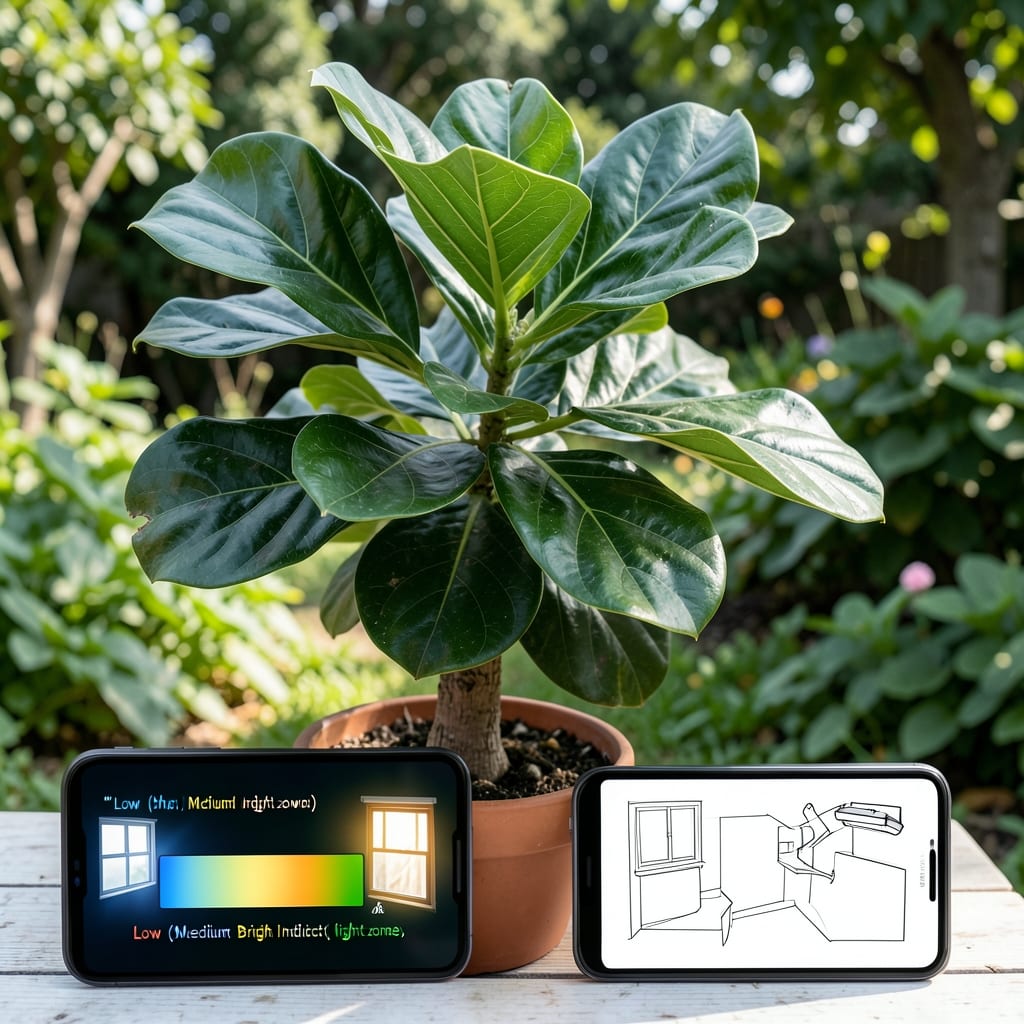
Ideal light conditions for ficus plants: bright indirect sunlight explained
Ficus plants—like the popular Ficus elastica (rubber plant) or Ficus benjamina (weeping fig)—thrive in bright indirect sunlight. This means they need plenty of natural light but no direct sun exposure, which can scorch their delicate leaves. Understanding the light spectrum (low, medium, high) helps you place your ficus in the perfect spot for lush, healthy growth.
Most ficus varieties prefer 4-6 hours of bright, filtered light daily. Think of it like the dappled sunlight under a canopy of trees—ideal for tropical plants like ficus. East-facing windows are perfect because morning sun is gentler than harsh afternoon rays. If you only have a south-facing window, place your ficus 3-5 feet away to avoid direct sun.
Here’s how to spot if your ficus isn’t getting the right light: Leggy growth (long, sparse stems) means it’s craving more light, while yellowing leaves or brown patches signal too much direct sun. Even Ficus lyrata (fiddle-leaf fig) follows these same light rules—never assume all ficus varieties are the same!
Seasonal changes also affect your ficus’s light needs. In winter, when daylight is shorter, supplement with a 12-hour grow light to mimic natural cycles. Conversely, in summer, watch for afternoon sun—even a few hours of direct rays can damage leaves. Rotate your plant quarter-turns weekly to ensure even growth and prevent lopsided development.
Pro tip: If your ficus starts dropping leaves, it’s often a light shock response. Gradually acclimate it to brighter spots over 1-2 weeks to avoid stress. For example, move it 6 inches closer to the window each day until it reaches the ideal distance. Patience pays off with thicker foliage and fewer surprises!
Another key factor is humidity. Ficus plants love 40-60% humidity, and low humidity + bright light = crispy leaf edges. Pair your ideal lighting spot with a pebble tray or humidifier to keep conditions tropical. This combo mimics their native jungle habitats, where dappled sunlight and high humidity thrive together.
For Ficus benjamina, which is slightly more sensitive, avoid even morning sun near glass—the heat can intensify light damage. Instead, place it behind sheer curtains to diffuse the light further. The same rule applies to Ficus microcarpa (Ginseng Ficus), though it’s slightly more tolerant of lower light.
Remember: No two ficus plants are identical. Observe your plant’s response to its environment and adjust as needed. If the leaves start yellowing at the tips, it might need more humidity; if they curl inward, it’s likely too dry. Keep a plant journal to track changes and refine your approach over time.
With the right light balance, your ficus will reward you with glossy, vibrant leaves and steady growth. Start with an east-facing window, monitor its reactions, and tweak as needed—your ficus will thank you with years of lush, healthy beauty! 🌿
Ideal light conditions for ficus plants: bright indirect sunlight explained
Ficus plants thrive best with bright indirect sunlight, making them perfect for indoor spaces with natural light. Unlike sun-loving plants, ficus varieties like Ficus elastica (rubber plant) and Ficus benjamina (weeping fig) can't handle harsh direct rays, which scorch their leaves. Think of their ideal spot as morning sun with afternoon shade—similar to what they'd get under a forest canopy.
An east-facing window is often the best placement, as it provides gentle morning light without the intense afternoon sun. If your home only has south-facing windows, position your ficus 3-6 feet away to filter the light naturally. West-facing windows can work too, but avoid placing your plant directly in the path of hot afternoon rays.
| Light Condition | Characteristics | Ficus Response |
|---|---|---|
| Low Light | North-facing windows, dim corners | Leggy growth, sparse leaves, pale foliage |
| Medium Light | East/west windows, 1-2 ft from south window | Healthy growth, vibrant green leaves |
| Bright Indirect | 3-6 ft from south window, filtered light | Optimal growth, glossy leaves, compact shape |
| Direct Sun | South window without filter, afternoon sun | Brown spots, crispy edges, leaf drop |
Seasonal adjustments are key—ficus plants need more light in winter when natural sunlight is weaker. If you notice stretched-out leaves or pale new growth, it's a sign your plant needs brighter conditions. Rotate your ficus every 4-6 weeks to ensure even light exposure, as plants naturally grow toward their light source.
Watch for these tell-tale signs of light issues: Yellowing leaves often indicate too much direct sun, while dark green, dull leaves suggest insufficient light. Brown leaf tips can also signal low humidity combined with dry air from indoor heating—another common issue in low-light conditions.
For variegated ficus varieties, like those with white or pink leaves, bright indirect light is even more critical. These plants need extra light to maintain their color patterns, as chlorophyll production is reduced in the lighter leaf areas. Place them near a south-facing window with a sheer curtain for the best results.
If your home lacks natural light, consider supplementing with grow lights (more details in the next section). Even 4-6 hours of artificial light can make a significant difference in your ficus's health, especially during winter months when days are shorter.