
How To
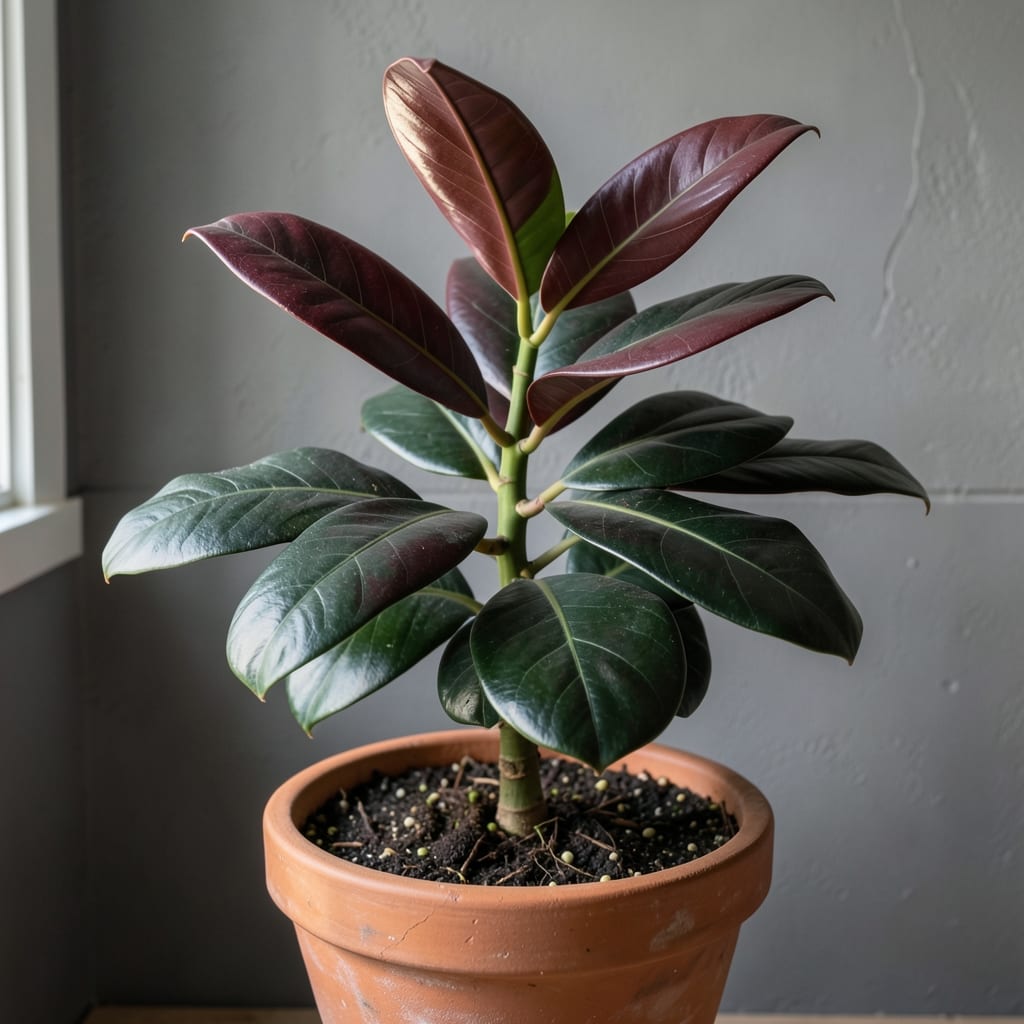
If your rubber plant 🌿 is looking more sad than stylish, you’re probably dealing with the wrong light conditions. The ideal amount of light for a rubber plant isn’t just about keeping it alive—it’s about unlocking its full potential for lush, vibrant growth.
Too little light and your plant stretches toward the window like a sleepy cat, while too much can turn its leaves crispy. The sweet spot? Bright, indirect sunlight that mimics its natural jungle habitat. I’ll break down exactly how to nail this balance, whether you’re working with a sunny windowsill or a dim corner.
You’ll discover how to spot the signs of light stress, adjust your plant’s placement, and even use artificial lighting to keep it thriving. Let’s get your rubber plant back to its glossy, healthy best—without guessing games.
From east-facing windows to grow lights, I’ll cover all the practical tricks to ensure your plant gets just the right amount of light. Ready to transform those dull leaves into a statement piece?
 Best Window Placement
Ideal light requirements for rubber plant growth and leaf health
Your rubber plant 🌿 thrives in bright indirect sunlight, mimicking its native understory habitat where dappled light filters through dense canopies. This means placing it near a window—but not in direct sun—which can scorch its leaves. Think of it like a sunbathing turtle: it needs warmth but not the harsh midday glare.
The perfect spot is about 2-3 feet from an east or west-facing window, where morning or afternoon sun gently illuminates the leaves. South-facing windows work too, but only if you use a sheer curtain to diffuse the intensity. North-facing windows are trickier—they offer the least light, often leading to leggy growth if your plant stretches desperately toward the light.
Rubber plants can tolerate low-light conditions for short periods, but their growth slows dramatically. In dim rooms, expect pale, sparse leaves and weak stems. On the flip side, direct sunlight causes yellowing, crispy edges, or even sunburn spots. The key is balance: 4-6 hours of filtered light daily keeps your plant happy and healthy.
Seasonal adjustments are crucial. During summer months, when sunlight is most intense, move your rubber plant slightly farther from the window or use a sheer curtain. In winter, when natural light dims, supplement with a grow light if you notice your plant struggling.
Here’s the science behind it: Rubber plants perform photosynthesis most efficiently under moderate light intensity (around 1,000-2,000 foot-candles). Too little light reduces chlorophyll production, while too much generates harmful reactive oxygen species that damage cells. Your goal is to keep the light just right—like Goldilocks’ porridge.
Pro tip: Rotate your plant quarter-turns every 2-3 weeks to ensure even growth. Plants naturally lean toward light sources, so this simple habit prevents lopsided, stretched stems and encourages symmetrical foliage that’s both healthy and visually appealing.
If you’re unsure about your space’s light levels, try the "shadow test": Place a white piece of paper near your plant for a few hours. If the shadow is sharp and dark, the light is too direct. If it’s faint and blurry, you’ve got the perfect indirect setup.
Outdoor rubber plants fare best in partial shade, especially in hot climates. In cooler regions, they can handle morning sun and afternoon shade. Just avoid placing them in full sun during peak hours (10 AM–4 PM), where temperatures can exceed their comfort zone.
Remember, every rubber plant is unique. Some varieties, like the variegated types, may need slightly more light to maintain their striking patterns. Others, like the deep purple or burgundy cultivars, might tolerate slightly lower light levels. Observe your plant’s responses and adjust accordingly.
| Light Condition | Daily Hours | Plant Response | Best For |
|---|---|---|---|
| Bright Indirect | 4-6 hours | Vibrant leaves, compact growth | Ideal indoor setup |
| Low Light | 2-3 hours | Leggy stems, pale leaves | North-facing windows |
| Direct Sun | >4 hours | Brown spots, crispy edges | Avoid at all costs |
| Partial Shade (Outdoor) | 6-8 hours | Healthy growth, minimal stress | Outdoor containers |
For those with south-facing windows, the trick is to place your rubber plant at least 6 feet away to avoid harsh rays. If that’s not possible, a light-colored curtain or a sheer fabric will diffuse the light while still allowing plenty of brightness. Think of it as giving your plant a sun hat to protect it from overheating.
One final tip: If you’re growing your rubber plant outdoors in hot climates, provide afternoon shade during the peak summer months. Even a simple cloth shade cover can prevent leaf scorch and keep your plant thriving. With the right light balance, your rubber plant will reward you with glossy, deep-green leaves that make any space feel lush and alive.
Signs your rubber plant needs more (or less) light
Your rubber plant 🌿 speaks volumes through its leaves—pay attention to these visual cues that reveal whether it’s begging for more light or crying out for shade. Start by checking the leaf color: deep, glossy green means your plant is thriving, while pale or yellowing leaves signal light deficiency. If the undersides of leaves are darker than the tops, it’s a clear sign your plant is stretching toward the nearest light source.
Watch for stem elongation, another classic red flag. When a rubber plant isn’t getting enough light, it grows leggy and sparse, with long stems and sparse foliage. This "etiolation" happens as the plant reaches desperately for light. On the flip side, if you notice brown or crispy leaf edges, your plant is getting too much direct sun. These sunburnt spots appear as dry, papery patches along the leaf margins.
Here’s a quick troubleshooting guide to diagnose your rubber plant’s light needs:
- Too Little Light: Pale, sparse leaves; long, weak stems
- Too Much Light: Brown crispy edges; yellow patches; leaf drop
- Ideal Light: Deep green, glossy leaves; compact growth
Act fast! Adjust placement within 1-2 weeks to prevent permanent damage.
Don’t overlook the leaf size either. Insufficient light causes new leaves to grow smaller than usual, while excessive light can lead to stunted growth or even leaf drop. If you see white or yellow patches on the leaves, it could be a sign of nutrient deficiencies caused by poor light absorption. These issues often appear as interveinal chlorosis, where the areas between leaf veins turn pale.
For outdoor rubber plants, watch for leaf scorch during summer afternoons—this looks like brown, papery patches that develop quickly in hot, sunny conditions. In contrast, indoor plants in dim corners may develop thin, weak stems that flop over or lean dramatically toward the nearest light source. This is your plant’s way of saying, "Move me closer to the window!"
Pro tip: Take a before-and-after photo if you suspect light issues. After adjusting your plant’s placement, monitor changes over 2-4 weeks. You’ll often see improvements like darker green leaves, faster growth, and a more upright, bushy shape. If your plant still struggles after adjustments, consider supplementing with a grow light to bridge the gap until conditions improve.
Remember, rubber plants are forgiving but not infinite in their tolerance. Extreme light conditions—whether too much or too little—can lead to permanent damage if ignored. The key is to observe and adapt regularly. With a little attention, your rubber plant will bounce back with vibrant, healthy leaves that make any space feel alive.