
Light Requirements
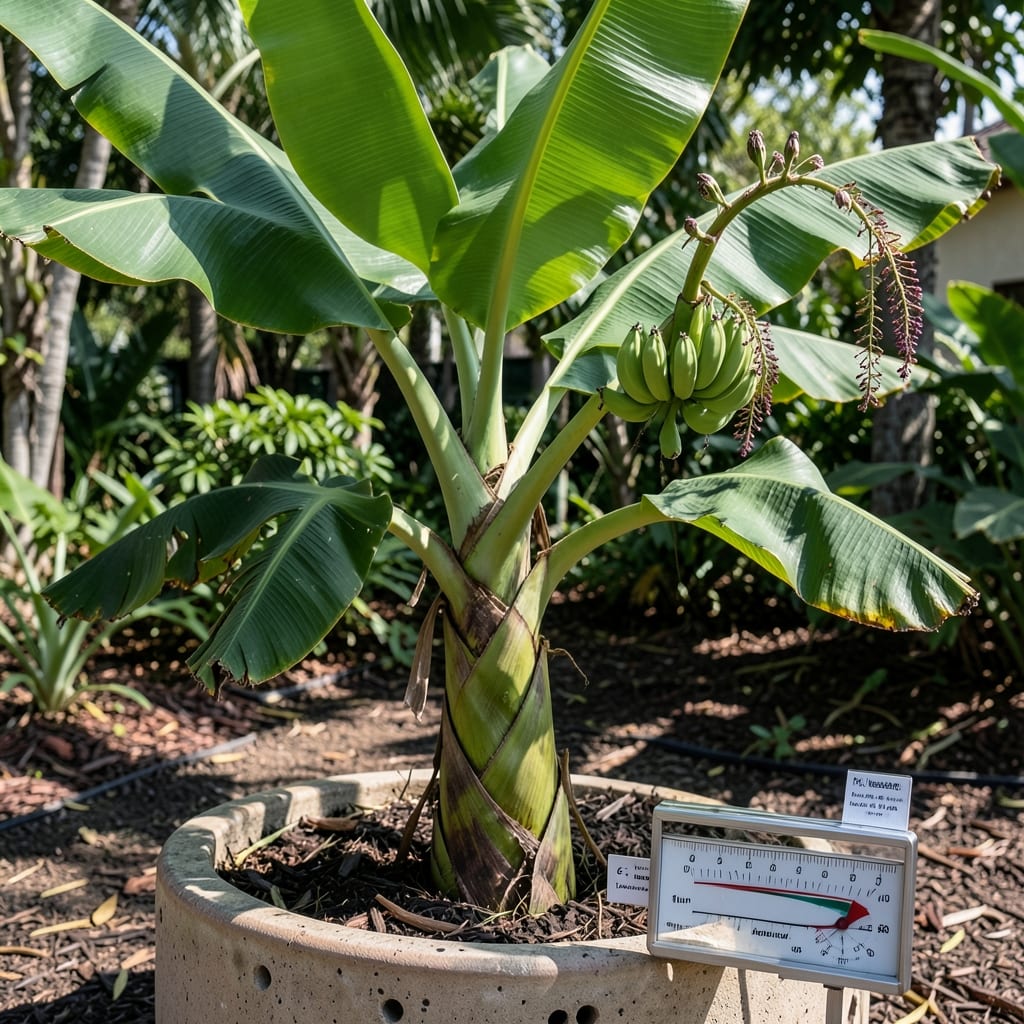
If you’ve ever wondered how much light a banana plant needs to thrive—or worse, why it’s struggling to produce fruit—light might be the missing puzzle piece. Getting the balance right isn’t just about throwing it in the sun; it’s about understanding exactly how much light this tropical giant craves to grow strong and bear those sweet, familiar bunches.
Most gardeners assume banana plants love full sun, but the truth is more nuanced. Too little light, and your plant will stretch weakly, while too much can scorch its broad leaves. The key lies in 6-8 hours of direct sunlight daily, but even that can vary depending on your climate and whether you’re growing indoors or outdoors. Let’s break down the exact light conditions your banana plant needs to flourish—and how to spot when it’s getting it wrong.
Whether you’re dealing with a sun-drenched patio or a shady corner of your garden, I’ll show you how to adjust light exposure without stressing your plant. You’ll learn the signs of under- or over-exposure, plus smart solutions for indoor growers and outdoor gardeners alike. Ready to give your banana plant the perfect light setup?
By the end, you’ll know not just how much light a banana plant needs, but how to create the ideal environment for healthier growth and bigger harvests. Let’s get started!

Optimal daily sunlight hours for banana plant growth and fruit production
Banana plants are sun-worshippers at heart, but their light requirements go beyond just "full sun." In their native tropical habitats, they bask in 6-8 hours of direct sunlight daily, but even this can shift depending on your climate zone. For example, in USDA Zone 10 or warmer, they can handle up to 10+ hours of sun, while cooler zones like Zone 8 or below may need partial afternoon shade to prevent stress.
The key is balancing intensity and duration. Young banana plants need bright, indirect light to avoid leaf scorch, while mature plants with established pseudostems can tolerate more direct rays. During the vegetative stage (when the plant is growing leaves), aim for 5-6 hours of morning sun with afternoon shade. Once flowering begins, increase to 6-8 hours of full sun daily to support fruit development.
Here’s how sunlight affects different growth stages of your banana plant:
Regional adjustments are crucial. In tropical climates (Zones 10-12), banana plants can thrive with direct midday sun, but in temperate zones (6-9), afternoon shade becomes essential during summer to prevent leaf scorch. If you’re growing in Zone 5 or colder, treat your banana plant as an annual or overwinter it indoors near a south-facing window with supplemental grow lights.
Direct sunlight also impacts leaf size and color. Plants in full sun develop broader, darker green leaves, while those in low light produce narrower, paler leaves. This isn’t just about aesthetics—larger leaves mean more photosynthesis, which directly fuels fruit production. For example, the Cavendish variety, a common commercial banana, needs at least 7 hours of sun daily to produce the classic yellow fruit we recognize.
One common misconception is that banana plants can handle any amount of sun. While they love light, intense afternoon sun in hot climates (like Arizona or Florida) can cause leaf edges to crisp or turn brown. To mitigate this, use 30-50% shade cloth during peak hours (12 PM - 4 PM) in summer. This filters sunlight while still providing the bright light intensity your plant craves.
For indoor growers, replicating these conditions requires strategy. Place your banana plant near the brightest window (south-facing is ideal in the Northern Hemisphere) and supplement with a 14-hour grow light (LED or fluorescent) to mimic daylight. Rotate the pot weekly so all sides get even light exposure, preventing the plant from leaning toward the light source—a condition called etiolation.
Pro tip: Monitor your banana plant’s growth rate as a light gauge. Healthy plants grow 1-2 feet per month in ideal conditions. If growth stalls, it’s often a sign of insufficient light, not water or nutrients. Conversely, if new leaves appear yellow or brown at the edges, it’s likely getting too much direct sun.
🌱
Signs your banana plant isn’t getting enough (or too much) light
Your banana plant’s leaves tell a story—one that reveals whether it’s basking in perfect sunlight or struggling under too little or too much light. Learning to read these signs is the first step to correcting light-related issues before they stunt growth or kill your plant. The most common visual cues appear on the newest leaves, as they’re the most sensitive to light changes.
When a banana plant lacks sufficient light, its leaves become a telltale pale yellow or greenish-white, a condition called chlorosis. You’ll also notice the leaves growing longer and thinner than usual, as the plant stretches toward any available light—a classic sign of etiolation. The stems may appear weak and leggy, unable to support the plant’s weight, and the overall growth rate slows dramatically. In extreme cases, the plant may stop producing new leaves entirely, leaving you with a bare pseudostem.
Here’s how to diagnose light issues based on leaf color and plant posture:
⚠️ Too Little Light
- 🟢 Pale yellow leaves (chlorosis)
- 📏 Long, thin leaves (etiolation)
- 🌱 Slow growth (stunted height)
- 🔄 Leaning toward light (weak stem)
⚠️ Too Much Light
- 🟡 Brown or crispy edges (sunburn)
- 🔥 Bleached or white patches (leaf scorch)
- 🌡️ Wilting in heat (stress response)
- 🍂 Premature leaf drop (damaged foliage)
If your banana plant shows signs of light deficiency, move it to a brighter location immediately. For indoor plants, rotate the pot weekly to ensure even light exposure, and consider adding a grow light if natural light is insufficient. In outdoor settings, prune nearby trees or shrubs that may be casting too much shade. Remember, banana plants need direct sunlight, not just bright indirect light, so avoid placing them under sheer curtains or in deep shade.
On the flip side, if you spot brown or crispy leaf edges, your plant is likely receiving too much direct sun, especially during peak afternoon hours. To fix this, provide afternoon shade using a 30-50% shade cloth or move the plant to a spot with morning sun and afternoon shade. In extreme heat (like summer afternoons in Zone 9 or higher), even dappled shade can prevent leaf damage while still allowing your plant to photosynthesize effectively.
Another critical sign to watch for is the absence of flowers. Banana plants need consistent, adequate light to trigger flowering, which typically occurs after the plant reaches maturity (around 12-18 months for most varieties). If your plant is old enough but still hasn’t flowered, it’s likely due to insufficient light or nutrient deficiencies. Increase sunlight exposure gradually—banana plants can’t handle sudden changes—and ensure they’re receiving balanced fertilization with a 10-10-10 NPK ratio to support flowering.
🌿