
Flowers
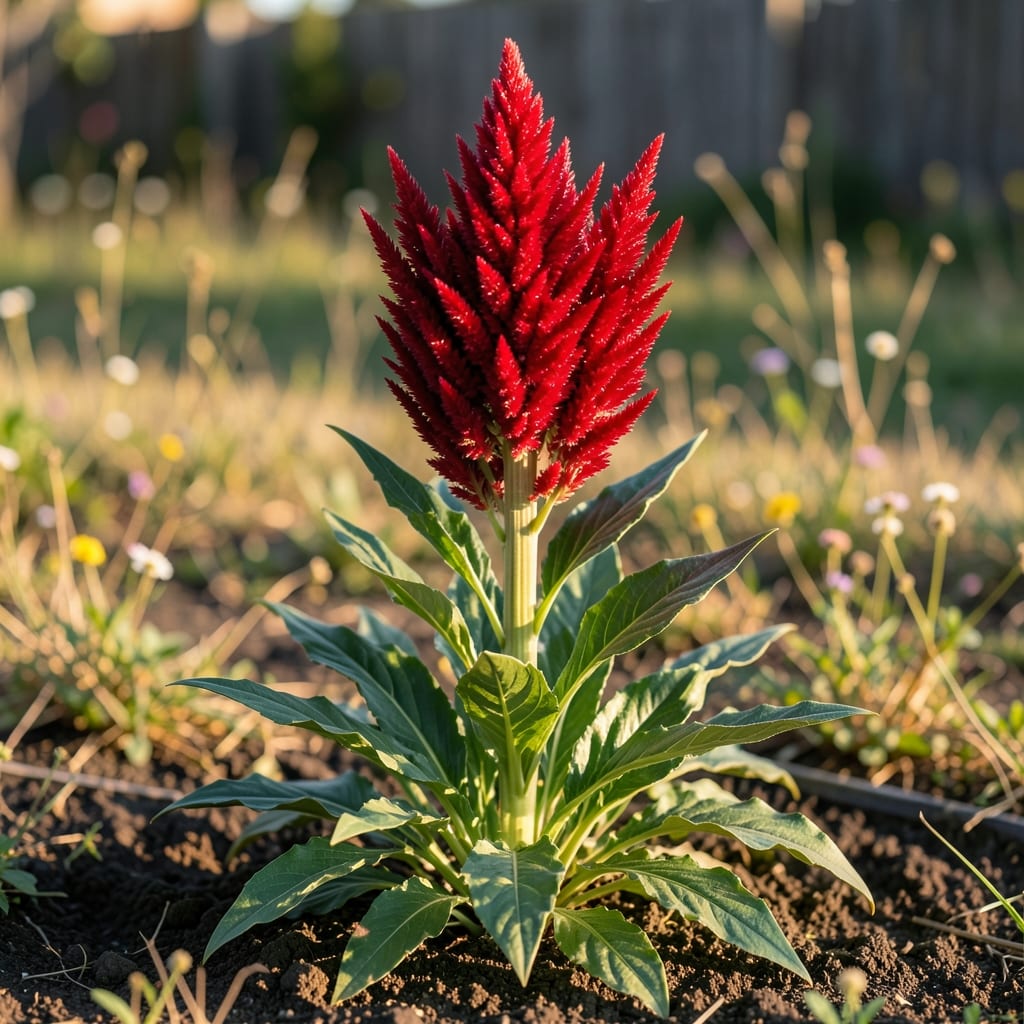
If you’ve ever wondered how tall celosia do they grow, the answer might surprise you—because these vibrant blooms can range from compact 8-inch mounds to towering 3-foot giants, depending on the variety and growing conditions.
For gardeners planning their spring plantings, knowing these height variations is key to creating the perfect display. Whether you’re aiming for a bold backyard statement or a charming container garden, celosia’s size flexibility makes it a standout choice.
In this guide, I’ll break down the height differences between popular celosia types—like the classic Cockscomb and delicate Plume varieties—so you can pick the perfect fit for your space.
You’ll also discover simple tricks to manage growth naturally, whether you need to keep your celosia compact or encourage it to reach its full potential. Let’s get started!

Celosia height by variety: compact, medium, and towering options
When planning your garden, understanding celosia height variations is essential for creating balanced, eye-catching displays. These plants come in three main growth categories: dwarf varieties (ideal for containers), medium-height types (perfect for borders), and tall varieties (great for backdrops). Each type thrives in full sun and well-draining soil, but their mature sizes differ dramatically.
The dwarf celosia varieties typically reach just 8-12 inches tall, making them perfect for window boxes, hanging baskets, or small garden beds. Their compact size also means they require less frequent pruning, which is great for busy gardeners. These varieties often produce bright, plume-like blooms that add cheerful pops of color to small spaces.
For gardeners with medium-sized spaces, semi-dwarf celosia varieties (growing 1-2 feet tall) strike the perfect balance. These varieties are versatile enough for borders, mixed containers, or as accents in flowerbeds. Their height allows them to be seen from a distance while still fitting neatly into most garden designs.
Now, if you're aiming for a dramatic garden statement, tall celosia varieties can reach 2-3 feet tall and create stunning vertical interest. These varieties are excellent for the back of borders or as focal points in larger garden spaces. Their towering plumes or crested blooms can draw the eye and add depth to your landscape.
| Variety Type | Height Range | Best For | Bloom Shape | Spacing |
|---|---|---|---|---|
| Dwarf Celosia | 8-12 inches | Containers, window boxes | Plume or feather-like | 6-8 inches apart |
| Semi-Dwarf Celosia | 1-2 feet | Borders, mixed containers | Plume or crested | 10-12 inches apart |
| Standard Celosia | 2-3 feet | Backdrops, focal points | Crested or plume | 12-18 inches apart |
One of the most popular tall celosia varieties is the Celosia argentea, often called Cockscomb due to its distinctive crested blooms. This variety can easily reach 2-3 feet tall and is perfect for adding texture and height to your garden. Its bold, velvety blooms come in shades of red, pink, orange, and yellow, making it a showstopper in any garden design.
For those who love the delicate, feathery look of plume celosia, varieties like 'Impala' or 'Merlot' are excellent choices. These varieties typically grow 1-2 feet tall and produce long, wispy plumes that sway gently in the breeze. Their height makes them ideal for adding movement and softness to garden borders or mixed containers.
If you're growing celosia in containers, opt for dwarf varieties to ensure they thrive without becoming top-heavy. These compact plants also make excellent cut flowers, lasting for weeks in vases. Their manageable size means you can easily move them around your garden to follow the sun or create new focal points as needed.
When planning your garden layout, consider the mature height of each celosia variety alongside other plants. For example, pairing dwarf celosia with petunias or snapdragons creates a harmonious, layered look, while tall celosia can anchor a border with sunflowers or salvia for a striking vertical display.
Remember, the height of celosia can also be influenced by growing conditions. Providing well-draining soil, regular watering, and full sun exposure will encourage your plants to reach their full potential. With the right variety and care, your celosia can become the star of your garden, adding vibrant color and height to your outdoor space.
How to control celosia growth for optimal garden design
Understanding how to manage celosia growth is just as important as choosing the right variety. These plants naturally grow tall, but with a few simple techniques, you can encourage them to stay compact or reach their full height potential. The key lies in pruning, staking, and proper spacing, all of which help maintain plant health while shaping their growth to fit your garden vision.
For taller celosia varieties, staking is often necessary to prevent flopping, especially in windy conditions. Use bamboo stakes or tomato cages to support stems gently, tying them loosely with soft plant ties. This not only keeps your celosia upright but also protects delicate blooms from damage. Staking is particularly useful for Cockscomb varieties, which can become top-heavy as they mature.
Pruning plays a dual role in managing celosia height—it encourages bushier growth while extending the blooming season. Pinch back the tips of young plants when they reach 6-8 inches tall to promote branching. For established plants, trim spent blooms regularly to redirect energy into new growth. This technique works wonders for plume celosia, keeping them fuller and more vibrant throughout the season.
🌱 Pro Tip: Prune for Height Control
To keep celosia shorter, prune the top growth regularly. For taller plants, avoid heavy pruning—let them grow naturally and stake instead. Always use clean, sharp shears to prevent disease.
💡 Best time to prune: Early morning on dry days to reduce stress on the plant.
Spacing is another critical factor in controlling celosia growth. Overcrowded plants compete for nutrients and sunlight, leading to leggy, weak stems. Follow the spacing guidelines from the comparison table above—6-8 inches apart for dwarf varieties and 12-18 inches apart for taller types. This ensures each plant has room to thrive without becoming overcrowded, which can stunt growth.
If you're growing celosia in containers, choose dwarf varieties to avoid top-heavy pots that can tip over easily. For larger containers, opt for semi-dwarf types and use a heavy pot or add gravel to the bottom for stability. Containers also allow you to move celosia around your garden, giving you flexibility to adjust their placement based on sunlight and seasonal needs.
Finally, don’t overlook the role of soil and sunlight in managing celosia height. Well-draining soil with added compost ensures strong root development, while 6+ hours of full sun daily promotes healthy, upright growth. Avoid rich, nitrogen-heavy soil, which can lead to excessive foliage at the expense of blooms. Instead, use a balanced fertilizer to encourage steady, controlled growth.
With these techniques, you can easily shape your celosia to fit any garden design—whether you want a compact border, a tall backdrop, or a container-friendly display. Experiment with different methods to find what works best for your space and enjoy the vibrant blooms all season long!