
Plants
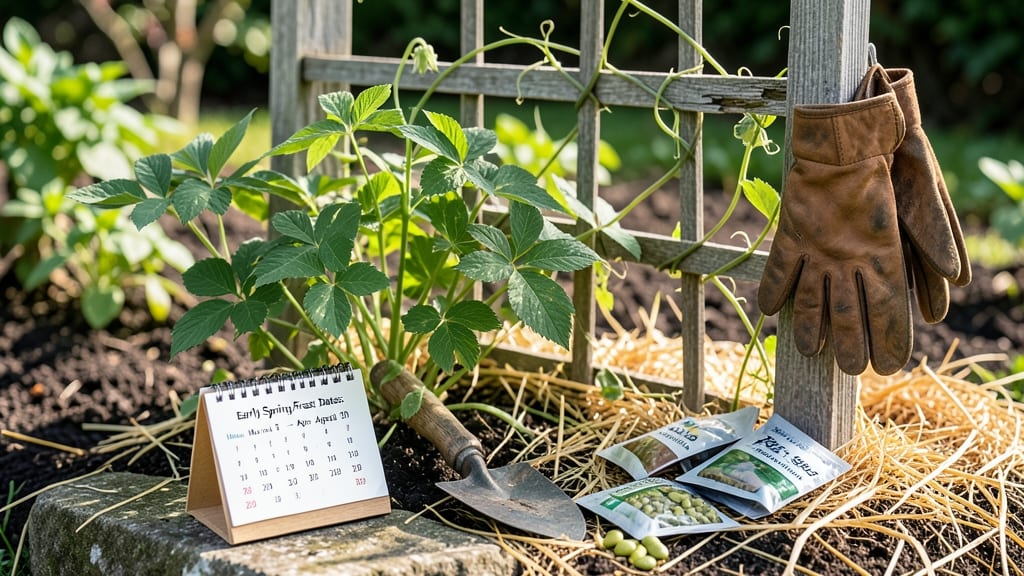
Timing your peas planting in Zone 4 could mean the difference between a fast, thriving harvest and a garden full of frost-nipped disappointment. These 🌱 little powerhouses love cool weather but hate lingering cold snaps—so getting the window right is everything.
Most gardeners in Zone 4 know spring is the prime time, but did you know you can also plant peas in late summer for a fall harvest?
The key is understanding your last frost date—typically around May 15—and working backward to give those seeds the 4-6 weeks they need to germinate before warmer weather arrives.
In this guide, I’ll break down the exact planting windows that work best in Zone 4, including how to handle early frosts and extend your growing season. Whether you’re a first-time gardener or a seasoned pro, these tips will help you maximize your pea yield without the guesswork.
Ready to grow peas that germinate quickly and produce pods in record time? Let’s dive into the perfect timing—and why soil temperature matters just as much as the calendar.
Optimal planting windows for peas in Zone 4: early spring vs. late winter
Peas are cold-hardy crops that thrive in Zone 4's chilly springs, but timing is everything. Planting too early risks frost damage, while waiting too long can delay your harvest. The best windows are early spring (March-April) and late winter (February) under protection.
In Zone 4, where average last frost dates hover around May 15, peas can handle light frosts down to 20°F (-7°C). This makes them ideal for early sowing, but soil temperature matters just as much as air temperature—peas germinate best when soil reaches 40-50°F (4-10°C).
For maximum success, I recommend starting seeds 4-6 weeks before your last frost date. This gives them time to establish roots before warmer weather arrives. In my experience, late February to early March is perfect for protected sowing, while mid-March to April works for direct outdoor planting.
Early spring planting offers the fastest route to harvest, but late winter sowing under protection can give you a head start. I’ve found that sugar snap peas and snow peas handle cold better than garden peas, making them great choices for February starts.
For late winter planting, use row covers or a cold frame to protect seedlings. These create a 5-10°F warmer microclimate, which speeds up germination. In my garden, this method adds 2-3 weeks to the growing season without risking frost damage.
Always check your local frost dates—Zone 4’s range is wide, from late April in northern areas to early May in southern parts. Planting too early in colder microclimates can stall growth until soil warms naturally.
Pro tip: Test soil temperature with a soil thermometer before planting. If it’s below 40°F (4°C), wait a week or use black plastic mulch to warm it faster. Peas won’t germinate well in cold, wet soil.
Remember, peas are fast growers—just 50-75 days to harvest—but they need consistent moisture. Start seeds 1 inch deep and 2 inches apart, then thin to 3-4 inches when sprouts appear. This spacing prevents disease and improves air circulation.
How to extend the pea growing season in cold climates: succession planting tips
Zone 4 gardeners know that peas thrive in cool weather, but the growing season feels short. The secret to a longer harvest isn’t just timing—it’s succession planting and smart frost protection.
By staggering your sowings and using simple tools like row covers, you can stretch your pea harvest from early spring to late summer.
Most gardeners focus on spring planting, but peas also grow well in late summer for a fall harvest. In Zone 4, where the first frost typically arrives around October 1, late summer plantings can yield pods until September if protected. This two-season approach doubles your harvest potential!
Here’s how to maximize your pea yield with 5 proven strategies:
For late summer plantings, choose early-maturing varieties like 'Green Arrow' (55 days) or 'Sugar Sprint' (60 days). These finish before fall frosts arrive. I’ve had success planting in early August—just give them 6-8 weeks to mature before the first frost.
Pro tip: Use black plastic mulch to warm soil faster in spring. It raises soil temps by 5-8°F, helping seeds germinate 3-5 days sooner. Remove it once plants emerge to prevent overheating.
Remember, peas are self-pollinating, so you don’t need multiple plants for pollination. Focus on consistent moisture—water deeply every 3-4 days during dry spells. Mulch with straw to retain moisture and suppress weeds.
By combining succession planting with frost protection, you can enjoy fresh peas for 3-4 months instead of just 2-3 weeks. Start small—try one staggered sowing this year—and watch your harvest grow!