
Plants
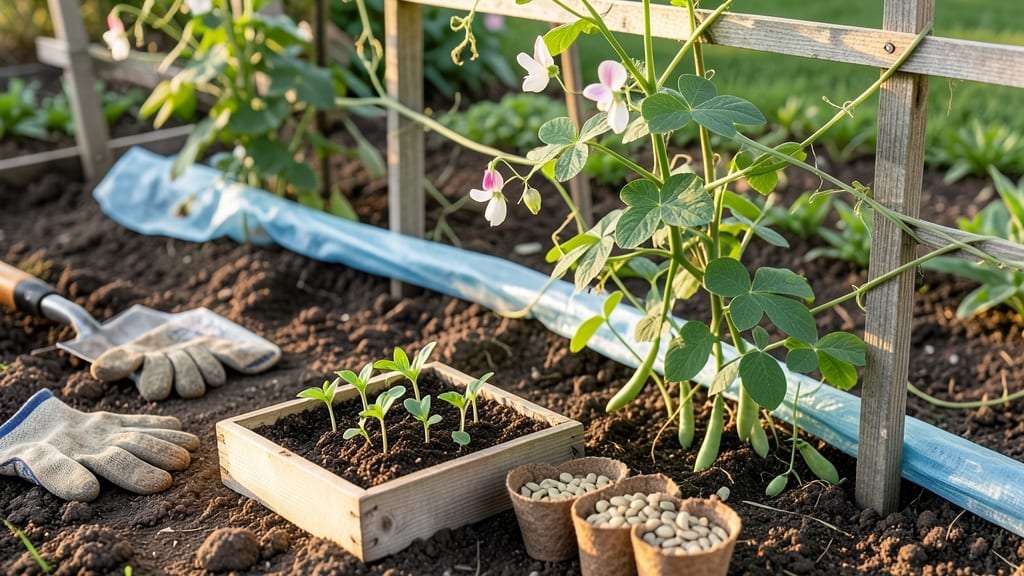
If you're asking "when to plant peas in Connecticut", timing is the secret to a garden full of sweet, tender pods instead of bitter failures. Connecticut's 6a zone climate means peas can be planted earlier than most spring vegetables, but getting it wrong risks frost damage or stunted growth.
Peas are one of the first crops you can sow in Connecticut, as soon as the soil is workable in early spring—often by March—but before the last frost date around April 15.
This cold-hardy 🌱 thrives in cool weather, making it a perfect early-season crop to beat the heat of summer planting.
For a second harvest, late summer planting in August gives you fresh peas in fall, just before the first frost. The key is choosing the right varieties and preparing your soil properly to avoid common pitfalls like overcrowding or poor drainage.
Let’s break down the exact planting windows, best varieties for Connecticut’s climate, and pro tips to ensure your peas grow strong and productive all season long.
Optimal pea planting times in Connecticut’s climate zones
Connecticut’s USDA hardiness zones 5b-6b create unique challenges for pea growers. The average last frost date of April 15 marks the critical window for spring planting, while fall planting in late summer offers a second chance for harvest.
Missing these windows means risking frost damage or heat-induced bolting—both common pitfalls in Connecticut’s unpredictable climate.
For spring peas, aim to plant 4-6 weeks before your last frost date. This typically falls between late March and early April in most of Connecticut. In colder northern regions like zone 5b, start as early as mid-March under frost cloth or in a cold frame.
Southern areas like zone 6b can wait until early April.
Don’t overlook fall planting—it’s a gardener’s secret weapon. Plant 8-10 weeks before your first frost (around mid-August to early September). Fall peas thrive in cooler soil and often produce sweeter pods before winter sets in. This strategy also extends your harvest window into October or November.
Succession planting is key to maximizing yields. In Connecticut, you can make 2-3 spring plantings, spaced 10-14 days apart, to ensure a continuous harvest. For fall, a single planting in late August usually suffices, but experiment with early September plantings if your fall is unusually warm.
| Planting Window | USDA Zone | Best Varieties | Key Considerations |
|---|---|---|---|
| Late March - Early April | 5b-6b | Sugar Snap, Wando, Lincoln | Plant 4-6 weeks before last frost; use frost cloth for early starts. |
| Mid-August - Early September | 5b-6b | Oregon Sugar Pod, Green Arrow, Alderman | Avoid planting too late; aim for 8-10 weeks before first frost. |
| Succession Plantings | 5b-6b | All varieties | Space plantings 10-14 days apart for continuous harvest. |
Timing isn’t the only factor—soil temperature matters just as much. Peas germinate best in 40-75°F soil. In Connecticut, soil often warms slowly in spring, so avoid planting until the ground reaches at least 45°F.
Use a soil thermometer to check—this simple tool can save you from wasted seeds.
Protect young seedlings from late spring frosts, which can occur as late as May 1 in northern Connecticut. Use row covers or cloche tunnels to shield tender plants.
For fall plantings, monitor first frost forecasts and adjust your planting date if autumn arrives early. Weather patterns vary yearly, so stay flexible!
Remember, peas are cool-season crops that thrive when other vegetables struggle. By aligning your planting schedule with Connecticut’s climate quirks, you’ll enjoy sweet, tender peas long before summer heat sets in. Start planning now—your harvest window is shorter than you think! 🌱
Optimal pea planting times in Connecticut’s climate zones
Connecticut’s USDA hardiness zones 5b-6b create a unique window for pea planting, where late winter and early spring are ideal. The key is planting 4-6 weeks before your last frost date—typically around March 15th in most regions, with some gardeners starting as early as February in protected beds.
This timing ensures peas establish roots before soil warms too quickly.
For fall planting, aim for late summer (August) to harvest before the first frost hits around mid-October. This strategy extends your harvest season and utilizes cooler temperatures peas prefer. However, avoid planting too late—September sowings may not mature before frost.
🌱 Connecticut Pea Planting Timeline
| Season | Planting Window | Key Notes |
|---|---|---|
| Early Spring | March 15 - April 15 | Plant when soil reaches 40°F; use row covers for frost protection. |
| Late Summer | August 1 - September 1 | Avoid planting after September 15; harvest before first frost. |
| Succession Planting | Every 2-3 weeks (March-May) | Stagger plantings for continuous harvests through June. |
In northern Connecticut (zone 5b), where frosts linger longer, start peas indoors or use row covers to protect young plants. Southern regions (zone 6b) can plant slightly earlier, but always monitor soil temperature—peas thrive in 50-70°F soil.
A simple soil thermometer is your best tool for precision planting.
For succession planting, sow new batches every 2-3 weeks from March through May. This ensures a steady supply of fresh peas before summer heat sets in. In Connecticut’s climate, this strategy can extend your harvest by 6-8 weeks, giving you peas when other crops like lettuce may struggle.
If you’re new to pea gardening, don’t overlook fall planting. While less common, a late-summer sowing can yield sweet peas in October, just as cooler weather arrives. Just be sure to choose cold-hardy varieties like 'Green Arrow' or 'Oregon Sugar Pod' for best results.
Remember: Peas are cool-season crops, so they’ll bolt (flower prematurely) if soil temperatures exceed 75°F. In Connecticut, this usually happens by late May, making early planting critical. Use shade cloth if your garden overheats quickly.