
Plants
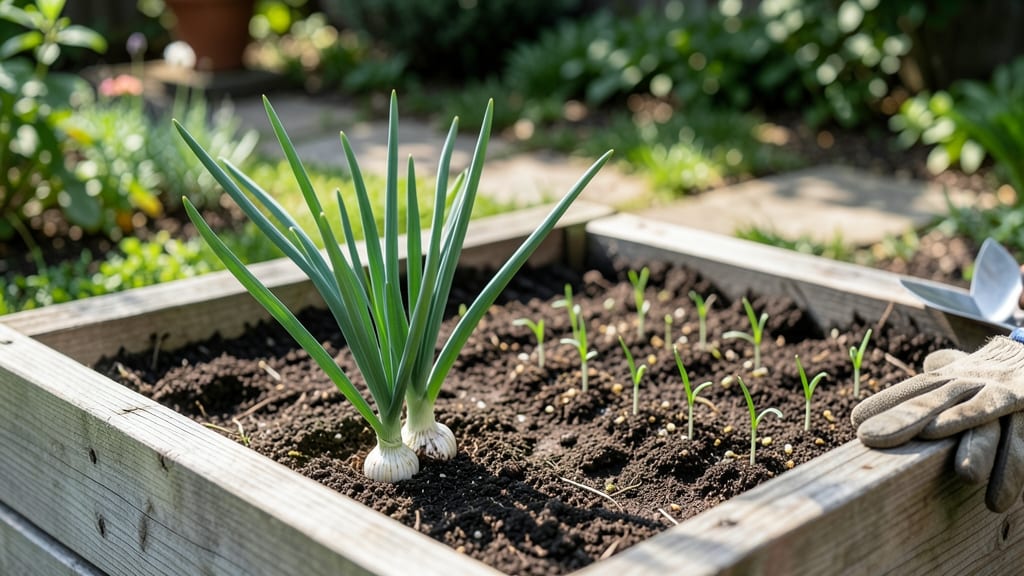
Timing your onion planting in New Hampshire isn't just about following a calendar—it's about outsmarting the state's fickle frost dates and short growing season. One wrong move, and you could end up with bitter, stunted bulbs or onions that bolt before harvest, leaving you with nothing but frustration.
I’ve grown 🧅 for years in zones 5b-6b, and the difference between a successful harvest and a failed one often comes down to planting at the right moment.
Whether you’re working with sets, seedlings, or seeds, knowing exactly when to get them in the ground—before the last frost or just in time for fall overwintering—can mean the difference between a garden full of sweet, plump onions and a patch of disappointment.
In this guide, I’ll break down the ideal planting windows for both spring and fall, including how to adjust for New Hampshire’s microclimates. You’ll also discover which onion varieties thrive best in our short season and how to extend your growing window with simple, no-fuss tricks.
Ready to grow onions that rival what you’d find at the farmers’ market? Let’s get started with the timing secrets that’ll have you harvesting like a pro by summer.
New Hampshire onion planting calendar: exact frost dates by region
New Hampshire’s USDA zones 5b-6b mean frost dates shift dramatically between the coastal and inland regions. Coastal areas like Portsmouth typically see their last frost by April 15, while inland spots near the White Mountains can hold frost until May 1.
These differences are critical for onion sets and transplants, which need consistent soil temperatures above 40°F (4°C) to thrive.
For seed-grown onions, start indoors 8-10 weeks before your last frost date. If you’re using onion sets (pre-sprouted bulbs), plant them 2-4 weeks before your last frost—earlier in inland zones, later near the coast.
Fall planting for overwintering varieties should begin 8-10 weeks before the first frost, usually by August 15 in most of NH.
Here’s a region-specific breakdown to help you pinpoint the best dates for your garden:
| Region | Last Frost Date | Ideal Planting Window (Sets/Transplants) | Fall Planting Window |
|---|---|---|---|
| Coastal (Portsmouth, Dover) | April 15 | March 25 - April 15 | August 1 - September 1 |
| South (Concord, Manchester) | April 22 | March 15 - April 10 | July 25 - August 15 |
| North (Laconia, White Mountains) | May 1 | April 1 - April 20 | July 15 - August 1 |
🌡️ Pro Tip: Use a soil thermometer to confirm soil temps are consistently above 40°F before planting sets.
If you’re late to the game and miss the typical spring window, don’t panic! You can still plant short-day onion varieties like ‘Texas Early White’ or ‘Sweet Sandwich’ as late as May 10 in most of NH.
These varieties tolerate cooler soils better and won’t bolt as quickly in NH’s short, hot summers. Just be prepared for smaller bulbs.
For fall planting, focus on overwintering varieties like ‘Stuttgarter’ or ‘Yellowstone’. These types handle NH’s winters well and often produce larger bulbs the following summer.
Plant them 8-10 weeks before the first frost, then mulch heavily with straw or leaves to insulate the soil and protect the bulbs.
NH’s unpredictable spring weather can throw off even the best-laid plans. If you’re planting in late April or early May and a frost warning pops up, cover your onions with lightweight row fabric or a cloche.
A single 28°F (-2°C) dip can damage young plants, so don’t skip this step—your harvest depends on it!
For seed-grown onions, start seeds indoors under grow lights in early March. Transplant seedlings outdoors 4-6 weeks before the last frost, spacing them 4-6 inches apart in rows 12-18 inches apart.
This gives them enough room to grow without competing for nutrients, which is especially important in NH’s nutrient-poor soils.
Always keep an eye on your local NH weather forecasts. Microclimates can vary even within a town, so check with nearby gardeners or use a frost date calculator like the one from the NH Agricultural Experiment Station.
With the right timing, you’ll be pulling plump, sweet onions by mid-summer—just in time for your favorite NH recipes!
Onion varieties that thrive in NH’s short season (and when to plant each)
New Hampshire’s short growing season and unpredictable heat spikes demand the right onion varieties to avoid bolting. Some types mature faster, while others store better—here’s how to match your goals with the perfect planting window.
For fresh-market onions, like Red Baron, aim to plant sets or transplants by March 30 to harvest by July 15. These varieties need consistent moisture and cooler temps to develop sweet bulbs before NH’s heat triggers bolting.
Storage onions like Yellowstone require a longer season but reward you with bulbs that keep until spring. Start these 4-6 weeks before your last frost (around March 15) for harvest between July 15-31. Their thicker necks handle NH’s humidity better than delicate types.
| Variety | Type | Planting Window | Harvest Window | NH Suitability |
|---|---|---|---|---|
| Red Baron | Fresh Market | March 30-April 15 | July 1-15 | Excellent (heat-tolerant) |
| Yellowstone | Storage | March 15-April 30 | July 15-31 | Very High (long storage) |
| Evergreen Hardy White | Green Onion | March 15-May 15 | June 15-August 15 | High (cold-hardy) |
Green onions like Evergreen Hardy White are the most forgiving for NH gardeners. Plant them as early as March 15 or even late summer for fall harvests. Their quick maturity (60-70 days) lets you squeeze in multiple plantings if early sets fail due to frost.
Pro tip: Use 1-inch sets for faster harvests than seeds. They’re less likely to bolt in NH’s brief summer, and you can stagger plantings every 2 weeks to extend your harvest window by 4-6 weeks.
For overwintering onions, plant hardneck varieties like Candy or Sweet Spanish by August 1. These need 40-60 days of cold to form bulbs, so they’re perfect for NH’s winters. Harvest next July before bolting.
Remember: Soil temps below 50°F stunt growth, so wait until the ground warms or use black plastic mulch to speed things up. Timing is everything—get it right, and you’ll enjoy homegrown onions all year!