
Plants
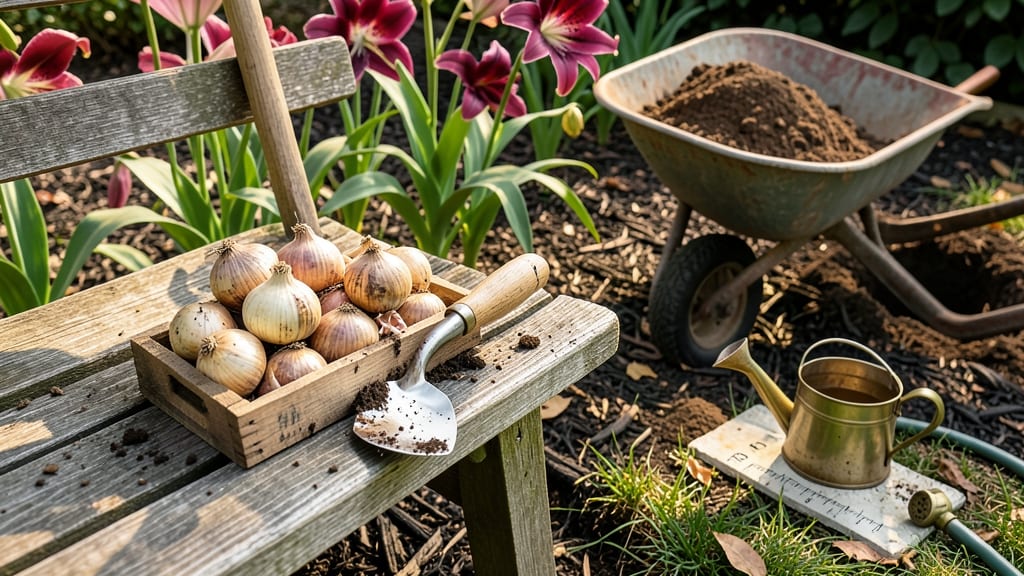
Knowing when to plant lily bulbs in Zone 7 can transform your garden from a patch of dirt to a stunning summer display of 🌸 blooms—but get the timing wrong, and you might end up with frost-nipped dreams instead of vibrant flowers.
If you've ever stared at a bag of lily bulbs wondering, "Should I plant these now or wait?", you're not alone. The key to success lies in understanding Zone 7's unique frost patterns and how they impact your lilies.
Planting too early risks bulb rot, while waiting too long can leave them vulnerable to winter's chill.
I'll walk you through the perfect fall planting window—typically between September and November—and why this timing gives your lilies the best chance to establish strong roots before winter sets in. Plus, I'll share why spring planting is a gamble most Zone 7 gardeners avoid.
Whether you're a first-time gardener or a seasoned pro, these insights will help you plant with confidence so you can enjoy those showstopping summer blooms you've been dreaming of. Let's get those bulbs in the ground the right way!
Zone 7 lily planting calendar: exact weeks before frost for ideal timing
Getting your lily bulbs in the ground at the right time in Zone 7 is everything—plant too early, and they’ll rot; too late, and they won’t establish roots before frost.
The ideal window spans from mid-September to mid-November, giving bulbs 6-8 weeks to root before the ground freezes. This timing ensures your summer blooms will be robust and vibrant.
Zone 7’s frost dates vary by microclimate—coastal areas (like Raleigh) may see frost as late as November 15, while inland regions (like Lexington) can freeze by October 20.
Always check your local last frost date and adjust accordingly. For Zone 7a (colder), plant by October 1; for Zone 7b (warmer), you can stretch until November 10.
Soil temperature is the real game-changer. Lilies need the ground to cool to 60°F (15°C) before planting. Use a soil thermometer to confirm—this usually happens in late September in most of Zone 7.
If you plant too soon in warm soil, bulbs can sprout prematurely and get fried by late-season heat.
Here’s your Zone 7 Lily Planting Timeline broken down by key milestones:
| Stage | Action | Soil Temp | Zone 7a Deadline | Zone 7b Deadline |
|---|---|---|---|---|
| Soil Prep | Loosen soil, add compost | N/A | Late August | Early September |
| Plant Bulbs | 4-6" deep, 6" apart | 60°F (15°C) | October 1 | November 10 |
| Root Establishment | Bulbs develop roots | 50-60°F (10-15°C) | October 15-Nov 1 | November 15-Dec 1 |
| Frost Protection | Mulch 2-3" deep | Below 40°F (4°C) | October 20 | November 15 |
| Spring Blooms | Stems emerge in May | 55°F (13°C) | Late May | Early May |
Pro tip: If you’re in a warmer microclimate (like Coastal North Carolina), you can push planting to early December—just ensure the ground hasn’t frozen solid. For higher elevations (e.g., Blue Ridge Mountains), aim for early October to avoid early frosts.
Spring planting is possible but risky in Zone 7. If you must plant in spring, do it as soon as the soil is workable (March-April), but expect smaller blooms the first year.
Bulbs planted in fall have 6-8 weeks to establish roots before winter, while spring-planted bulbs play catch-up during the growing season.
Always plant lily bulbs with the pointed end up—this ensures proper sprouting. Use a trowel to dig holes 4-6 inches deep and space them 6 inches apart for dwarf varieties or 12 inches apart for standard lilies. After planting, water deeply to settle the soil and encourage root growth.
Watch for late-season heat waves in October—if temperatures spike above 80°F (27°C), delay planting until soil cools. A shade cloth over freshly planted bulbs can help if your fall stays unusually warm.
🌸
Fall vs. spring planting: which method maximizes lily bloom success in Zone 7?
When deciding when to plant lily bulbs in Zone 7, you'll hear gardeners debate fall planting versus spring planting. The truth? Fall planting wins for Zone 7 gardeners by giving bulbs a head start on root growth before winter dormancy.
This means stronger plants and earlier blooms the following summer.
In fall, lily bulbs planted 6-8 weeks before the ground freezes (typically September through early November in Zone 7) establish roots in cool soil—ideal for their natural growth cycle. By contrast, spring planting forces bulbs to grow through unsettled soil temperatures, often leading to weak stems and delayed blooms.
Here’s how the two methods compare for your Zone 7 garden:
Fall Planting
Spring Planting
That said, spring planting can work in Zone 7b (warmer microclimates) if you plant early—March to early April—when soil temperatures reach 50°F. However, even then, you’ll likely see smaller blooms compared to fall-planted lilies.
For the best results, stick with fall planting and focus on soil prep and mulching to protect bulbs through winter. This method gives you the highest chance of vibrant, healthy blooms the following summer—worth the extra effort!
Pro tip: If you’re unsure about your last frost date, check your local USDA Plant Hardiness Zone Map or ask at your local nursery. They’ll have the most up-to-date frost timing for your specific area in Zone 7.