
Lawn
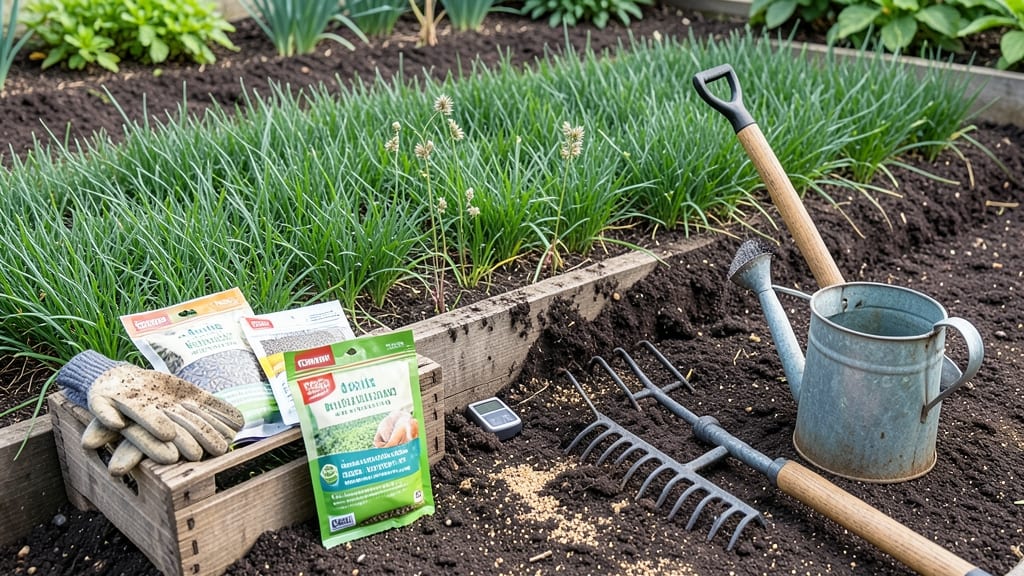
Timing your fall lawn seed planting could mean the difference between a thick, vibrant lawn and one that struggles to take hold. The right window—when soil temperatures hover between 60-75°F—lets your 🌱 lawn grass germinate quickly while avoiding summer heat or winter dormancy.
Most gardeners in USDA Zone 6a (like my region) know the sweet spot is 4-6 weeks before the first frost, but even small mistakes can throw off your entire project. Too early, and weeds outcompete your grass; too late, and cold slows root growth before winter sets in.
What you’ll discover here is how to pinpoint the exact moment for your area—whether you’re in the Midwest or Southeast—plus soil prep tricks to give your lawn the fast, resilient start it needs. No more guesswork, just science-backed steps for a lawn that’s ready for spring.
Ready to transform bare spots into lush green? Let’s break down the critical factors that separate successful fall seeding from disappointment—and how to nail them every time.
Optimal fall soil temperatures for lawn seed germination and root establishment
Fall lawn seeding thrives when soil temperatures hover between 60°F and 75°F. This sweet spot ensures fast germination while giving grass roots time to establish before winter dormancy.
Cooler air temperatures (50°F–60°F) signal your lawn it’s time to slow down, but the soil should stay warm enough to support growth.
Why does temperature matter so much? Grass seeds need consistent warmth to break dormancy, but extreme heat can dry out seeds before roots take hold. The ideal window is 4–6 weeks before your first frost date, giving seedlings time to mature without risking winter damage.
For most of the U.S., this means late August to October—but regional differences are key.
Here’s how to test your soil’s readiness: Use a soil thermometer (insert 2–3 inches deep) for 3–5 days to track temperatures. If readings dip below 55°F at night, wait a week or two.
Pro tip: Morning soil temps are the most reliable gauge—aim for 65°F–70°F at 8 AM for peak germination.
Northern regions (Zones 3–5) should plant earlier in the fall (late August–September) to avoid early frosts, while Southern areas (Zones 7–10) can extend seeding into October or November. Microclimates matter too—shady spots stay cooler longer, so plant them 1–2 weeks later than sunny areas.
🌱
🌱 Fall Lawn Seed Soil Conditions
| Condition | Specification | Notes |
|---|---|---|
| Soil Temperature | 60°F–75°F | Test at 2" depth; avoid temps below 55°F. |
| Air Temperature | 50°F–65°F | Cooler air slows growth but prevents stress. |
| Moisture Level | Consistently damp | Top 1" of soil should stay wet; avoid soggy conditions. |
| pH Level | 6.0–7.5 | Test with a kit; amend with lime (raise) or sulfur (lower). |
| Planting Window | 4–6 weeks before frost | Check local frost dates; adjust for microclimates. |
If your soil is too cold, delay planting until temperatures stabilize. A heated seed mat (for small areas) can jumpstart germination, but it’s not a long-term fix. For sandy soils, which heat up and cool down faster, plant 1–2 weeks earlier than clay-heavy soils.
Always rake seeds into 1/4-inch of soil—this protects them from temperature swings while keeping them close enough to moisture.
One common mistake? Planting when nighttime temps drop below 50°F. Grass seeds may sprout but struggle to survive, leading to thin, patchy lawns. Use a weather forecast tool to track lows—aim for nights staying above 55°F for the first 2 weeks post-planting.
This ensures roots establish before winter slows growth.
For cool-season grasses (like tall fescue or Kentucky bluegrass), fall is the best season because cooler temps reduce weed competition and disease pressure.
Warm-season grasses (e.g., Bermuda or Zoysia) can also be seeded in fall, but they need warmer soil temps (70°F+) to germinate—so limit this to Southern regions or late fall.
Pro move: Mulch lightly with straw after seeding to insulate soil and retain moisture. This 1/4-inch layer also shields seeds from bird foraging while keeping temps stable. Just avoid heavy mulch—it can smother sprouts as they emerge.
💧
Optimal fall soil temperatures for lawn seed germination and root establishment
Fall lawn seeding thrives when soil temperatures hover between 60°F and 75°F. This range ensures seeds germinate quickly while giving roots time to establish before winter dormancy. Cooler temps also suppress weeds, giving your grass a competitive edge. But how do you know when your soil is ready?
Use a soil thermometer to check temps at 4-inch depth—the zone where seeds germinate. Morning readings are most accurate. If temps dip below 50°F, growth slows dramatically, and seeds may rot before sprouting.
Northern climates should aim for late August to early October, while Southern regions can extend planting into November.
Microclimates matter! Shady spots or urban areas with heat islands may stay warmer longer. Test multiple zones in your yard to tailor planting times. For example, a north-facing slope might cool faster than a south-facing lawn, requiring earlier seeding.
🌱 Pro Tip: If your soil is too hot (above 80°F), wait 2–3 weeks or use shade cloth to cool it down. Patience here prevents seed burn and ensures robust root growth.
| Stage | Ideal Soil Temp (°F) | Action |
|---|---|---|
| Germination | 60–75°F | Plant seeds when soil hits 65°F consistently. |
| Root Growth | 55–65°F | Aim for 4–6 weeks of temps above 50°F post-planting. |
| Dormancy Prep | Below 50°F | Grass enters dormancy; stop seeding if temps drop. |
| Weed Suppression | 50–60°F | Cooler temps slow weeds; ideal for new grass establishment. |
Northern regions (USDA Zones 3–6) should prioritize late August to mid-September seeding to avoid early frosts. Southern zones (7–10) can extend planting until mid-November, as milder winters allow longer growing windows.
Always check your local frost date averages—planting 4–6 weeks before the first frost gives roots time to anchor.
💧 Key Insight: Soil temps lag behind air temps. A 70°F afternoon might mean 60°F soil—perfect for seeding! Use a moisture meter too; dry soil heats up faster and can stress seeds. Keep the top 1 inch of soil consistently moist for 2–3 weeks post-planting.
If you miss the ideal window, don’t panic! Early fall (August) seeding can work in warm climates, while late fall (November) may still yield results if your region has mild winters. Just adjust watering—cooler air means less evaporation, so reduce frequency slightly to avoid soggy soil.