
Light Requirements
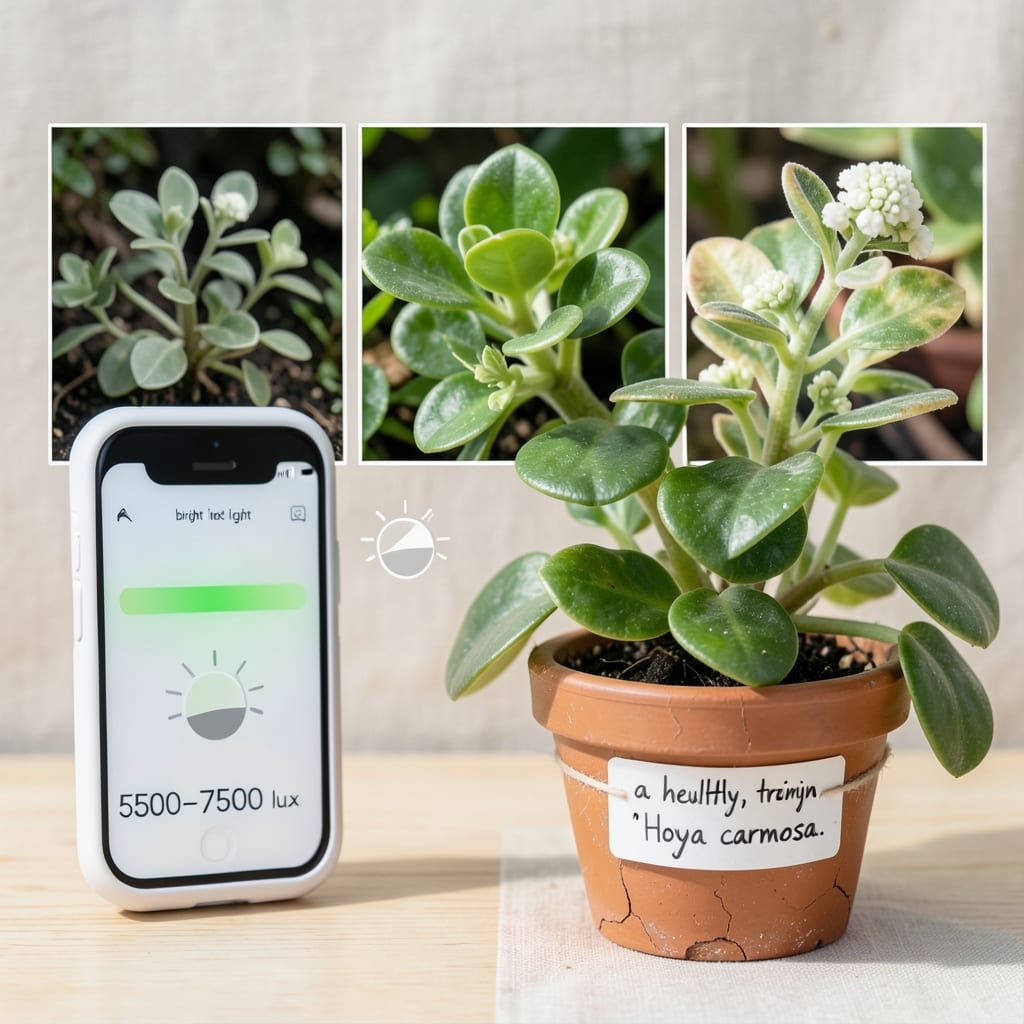
Hoya light requirements by variety: sun-loving vs. low-light Hoyas
Hoya plants are famously adaptable, but their light needs vary dramatically depending on the species. Some Hoyas thrive in bright indirect sunlight, while others happily grow under low-light conditions. Understanding these differences is key to encouraging vibrant blooms and lush foliage. Let’s break down the ideal light exposure for popular Hoya varieties, so you can match your plant’s needs to your home’s lighting.
Most Hoyas originate from tropical forests, where they grow as epiphytes or under the dappled shade of taller trees. This means they’ve evolved to handle moderate to low light, but too little light can stunt growth and prevent flowering. Meanwhile, some varieties—like Hoya carnosa—can tolerate more direct sunlight. Knowing your Hoya’s natural habitat preferences helps you replicate those conditions indoors.
Bright indirect light (4-6 hours daily) is the gold standard for most Hoyas. This mimics the filtered sunlight they’d receive under a forest canopy. For example, an east-facing window provides gentle morning light without harsh afternoon rays. South-facing windows can work too, but you’ll need to use sheer curtains to diffuse the intensity.
Direct sunlight is a no-go for most Hoyas—it causes leaf scorch and crispy edges. However, some sun-tolerant varieties like Hoya obovata can handle 2-3 hours of morning sun if acclimated slowly. Always introduce new light conditions gradually to avoid shocking your plant.
Now, let’s dive into the specific light needs of popular Hoya varieties. The table below compares their sunlight tolerance, ideal indoor placement, and growth habits under different light conditions. This will help you choose the perfect spot for your Hoya, whether it’s a sun-loving climber or a low-light survivor.
| Variety | Natural Habitat | Ideal Light Conditions | Indoor Placement | Bloom Potential |
|---|---|---|---|---|
| Hoya carnosa | Tropical forests, epiphytic | Bright indirect light (4-6 hrs) | East or north window, 2-3 ft away | High (with proper light) |
| Hoya obovata | Rocky outcrops, partial sun | Moderate to bright light (3-5 hrs) | West window (morning sun only) or grow light | Moderate (needs light to trigger blooms) |
| Hoya kerrii | Lowland forests, shade-tolerant | Low to moderate light (2-4 hrs) | North window or 5-6 ft from east window | Low (focus on foliage) |
| Hoya linearis | Dry, rocky areas, full sun | Bright light to partial sun (4-6 hrs) | South window with sheer curtain or grow light | High (sun triggers blooms) |
| Hoya imperialis | Mountain forests, cool shade | Low to bright indirect light (3-5 hrs) | North window or under fluorescent lights | Moderate (prefers cooler conditions) |
The Hoya carnosa, also known as the wax plant, is one of the most popular varieties and thrives in bright indirect light. Place it near an east-facing window where it can receive morning sunlight without the harsh afternoon rays. If your home lacks natural light, a grow light can supplement the 4-6 hours of light it needs daily to encourage blooming.
Hoya obovata, or the porcelain flower, is a bit more sun-tolerant than other Hoyas. It can handle 2-3 hours of morning sun, making it a great choice for west-facing windows if you provide afternoon shade. This variety is also more drought-resistant, so it’s ideal for gardeners who forget to water frequently.
For low-light conditions, Hoya kerrii (the sweetheart
Hoya light requirements by variety: sun-loving vs. low-light Hoyas
Not all Hoya plants are created equal when it comes to light. Some varieties, like Hoya carnosa, thrive in bright indirect light with occasional direct sun, while others, such as Hoya obovata, prefer low to medium indirect light. Understanding these differences is key to keeping your plant healthy and blooming. Let’s break down the light needs by variety to help you match your Hoya’s natural habitat to your home’s lighting conditions.
Hoyas originate from tropical forests, where they grow under dappled sunlight filtering through tree canopies. This means most Hoyas prefer bright indirect light, but some can tolerate lower light levels. The trick is to mimic their native environment as closely as possible. For example, Hoya kerrii (the popular "sweetheart plant") is more forgiving in low light, while Hoya linearis loves bright, filtered light and may struggle in dim corners.
Bright indirect light is the sweet spot for most Hoyas, providing enough energy for growth and blooming without risking sunburn. Think of it as the goldilocks zone—not too harsh, not too dim. If you’re unsure about your variety’s needs, start with 4-6 hours of bright indirect light per day and adjust based on how your plant responds. For instance, Hoya imperialis and Hoya oblonga love this setup, while Hoya australis can handle slightly lower light.
If you’re growing Hoyas indoors, the location matters. East-facing windows provide gentle morning light, perfect for most varieties. West-facing windows offer afternoon light, which can be too intense for some Hoyas unless filtered through a sheer curtain. North-facing windows are cooler and ideal for low-light Hoyas, while south-facing windows can be too harsh unless you use a sheer curtain or place the plant a few feet away.
Outdoor Hoyas can enjoy morning sun and afternoon shade, especially in hot climates. For example, placing your Hoya on a patio or balcony where it gets 3-4 hours of morning sun and the rest of the day in shade mimics its natural forest environment. Avoid leaving Hoyas in direct midday sun, as this can cause leaf scorch, especially for varieties like Hoya obovata or Hoya linearis.
Pro tip: Rotate your Hoya plant quarter-turns every few weeks to ensure even growth. This prevents one side from stretching toward the light while the other stays weak. With the right light setup, your Hoya will reward you with lush foliage and stunning blooms—worth the effort!