
Plants
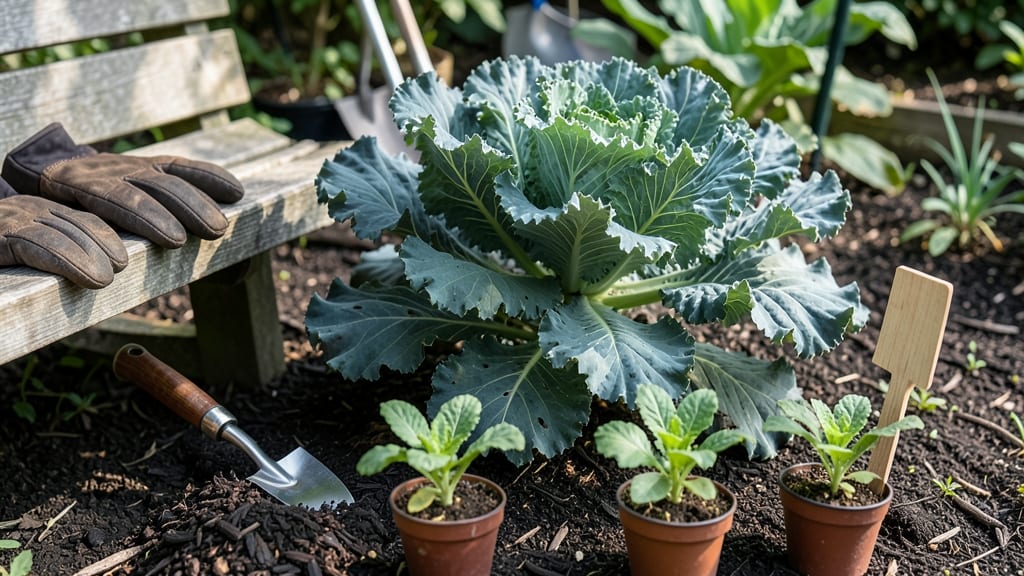
Timing your kale planting in Massachusetts can mean the difference between a thriving garden and wilted leaves before harvest. With Zone 6a's unpredictable swings from frost to heat, knowing exactly when to plant is key—especially for this cool-weather superstar.
Most gardeners in Massachusetts plant 🥬 kale twice a year: spring and fall, but getting the dates wrong can lead to bitter-tasting leaves or early bolting. The secret lies in understanding your last frost date (usually around April 15) and how to work with your local microclimate.
In this guide, I’ll break down the exact planting windows for both spring and fall crops, plus how to adjust for coastal vs. inland conditions. You’ll learn which varieties handle Massachusetts’ heat best and how to stretch your harvest well into winter.
Whether you’re a first-time gardener or a seasoned green thumb, these tips will help you grow kale that’s crisp, flavorful, and ready to harvest for months. Let’s get those seeds in the ground the right way!
Best planting times for kale in Massachusetts by variety type
Massachusetts gardeners have two prime windows to plant kale: early spring and late summer. The key is avoiding heat stress—kale bolts (goes to seed) when temperatures rise above 80°F.
In Zone 5b-6a (most of MA), this means timing your plantings carefully to align with our cool-season climate.
For spring plantings, aim to sow seeds or transplant 4-6 weeks before your last frost date (typically mid-March to early April). This gives young plants time to establish roots before summer heat arrives.
In fall, plant 6-8 weeks before your first frost (usually late July to early August) for a harvest before winter sets in.
Not all kale varieties handle heat the same way. Cold-hardy varieties like Winterbor or Lacinato (Dinosaur Kale) tolerate light frosts, while heat-tolerant types such as Red Russian or Vates can handle slightly warmer conditions. Choosing the right variety for your planting window makes all the difference.
🌱
| Variety Type | Best Planting Window | Frost Tolerance | Heat Tolerance | Harvest Window |
|---|---|---|---|---|
| Cold-Hardy (e.g., Winterbor, Lacinato) | Mid-March to early April (spring) or late July to early August (fall) | Survives 20°F with mulch | Bolts at 75°F+ | Late spring to early summer or late fall to early winter |
| Heat-Tolerant (e.g., Red Russian, Vates) | Late April to early May (spring) or early August (fall) | Tolerates 25°F with protection | Handles 85°F briefly | Early summer or mid-fall |
| Dwarf (e.g., Dwarf Blue Curled) | Mid-April to early May (spring) or early August (fall) | Survives 15°F with mulch | Bolts at 80°F+ | Late spring to early summer or late fall |
If you’re planting in early spring, start seeds indoors 4-6 weeks before your last frost date (around February 15 for most of MA). Transplant seedlings outdoors once soil temperatures reach 40°F and nighttime temps stay above 30°F.
For fall plantings, direct-sow seeds outdoors in late July to ensure mature plants can withstand light frosts before winter.
Pro tip: Use row covers or cold frames to extend your spring harvest into early summer. This protects tender leaves from heat stress and bolting. In western MA (Zone 5b), where springs can be cooler, you might push spring plantings to early April without risking frost damage.
For coastal areas (Zone 6a), like Cape Cod or the South Shore, summers are slightly milder. Here, you can plant heat-tolerant varieties like Red Russian as late as early May for a summer harvest. Just monitor soil moisture—dry conditions accelerate bolting in these varieties.
Always check your local USDA frost dates (available via Massachusetts Extension Services) for precise timing. A general rule: Kale grows best when day temperatures hover between 60°F and 70°F. When nights dip below 30°F, protect plants with row covers or mulch to prevent frost damage.
🌿
How Massachusetts microclimates affect kale planting success
Massachusetts isn't one-size-fits-all when it comes to growing kale. Our state's microclimates create dramatic differences in planting success. For example, coastal areas like Cape Cod (Zone 6a) enjoy milder winters and cooler summers, while inland regions such as the Berkshires (Zone 5b) experience harsher conditions.
These variations mean your planting timeline should shift based on where you live.
In western Massachusetts, where temperatures drop faster in spring, aim to plant cold-hardy varieties like Winterbor by mid-March. The soil warms slowly here, so starting seeds indoors in February gives them a head start.
Meanwhile, eastern MA gardeners can wait until late March thanks to the moderating influence of the Atlantic Ocean.
🌱
| Region | USDA Zone | Spring Planting Window | Fall Planting Window | Key Consideration |
|---|---|---|---|---|
| Western MA (Berkshires) | 5b (-15°F) | Mid-March to early April | Late July to early August | Soil warms 2 weeks slower than coastal areas |
| Central MA (Worcester) | 6a (-10°F) | Late March to early April | Early to mid-August | Moderate climate with faster soil warming |
| Coastal MA (Cape Cod) | 6a (-10°F) | Late March to early April | Mid-August to early September | Cooler summers allow heat-tolerant varieties like Red Russian |
| Northeast MA (Merrimack Valley) | 6a (-10°F) | Late March to early April | Late July to early August | Humidity increases disease risk—use row covers |
Soil temperature is your best indicator for planting success. Kale thrives when soil stays between 45°F and 75°F. Use a soil thermometer to check before planting—if temps drop below 40°F, wait. In cooler inland areas, this might mean delaying until early May for heat-tolerant varieties.
For fall plantings, coastal gardeners have a longer window thanks to delayed first frosts. In Zone 6a areas, you can push plantings to mid-September with row covers, while inland gardeners should finish by early August to avoid frost damage.
Always account for your region's average first frost date—adding 2-3 weeks of buffer ensures mature plants before winter.
Another critical factor is summer heat. Inland areas like Pittsfield can hit 90°F+ by July, forcing early bolting. Here, shade cloth (30-50%) extends harvests by 3-4 weeks.
Coastal areas stay cooler, allowing for later summer plantings of heat-tolerant varieties like Vates kale, which can handle brief 85°F spikes.
🌿