
Plants
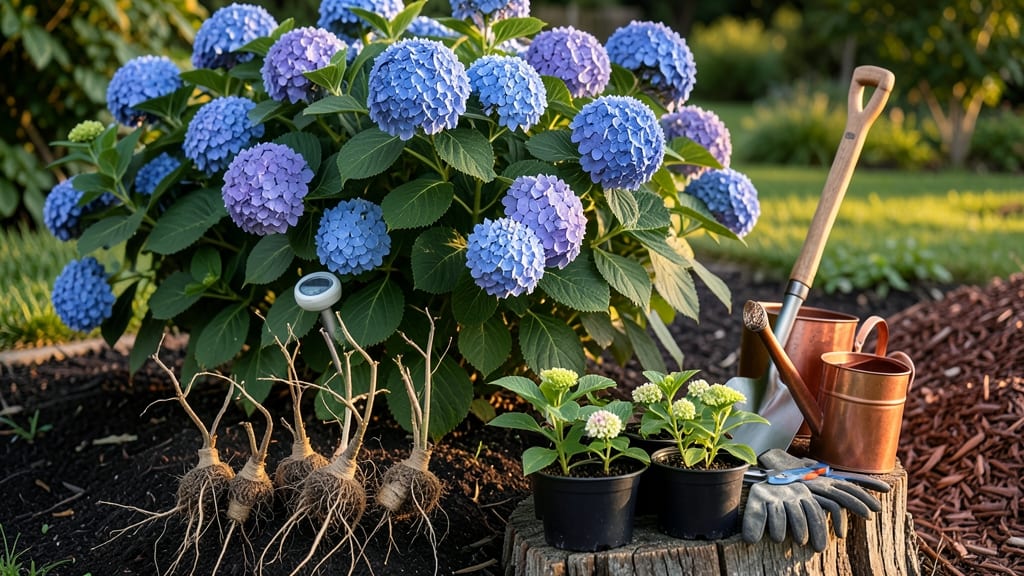
Timing your Hydrangea planting in Massachusetts can mean the difference between a showstopping garden display and struggling shrubs that never quite thrive. With Zone 5B's unpredictable frosts and shifting spring weather, getting it right is the key to those lush, vibrant blooms you dream of.
Whether you're a first-time gardener or a seasoned green thumb, knowing exactly when to plant—from Boston's coastal breezes to the Western MA hills—will set your hydrangeas up for success.
Most gardeners in Massachusetts focus on two prime windows: spring (April-May) and fall (September-October), but there's more to it than just picking a month. The last frost date around April 15 signals the green light for spring planting, while fall offers a second chance to establish roots before winter.
I'll break down the exact deadlines, soil prep secrets, and regional tweaks to ensure your hydrangeas take root and flourish—no guesswork required.
What you'll discover is how to avoid common pitfalls like planting too early in cold soil or waiting too long in fall's chill. We'll cover everything from container planting hacks for small spaces to in-ground prep for those with bigger gardens.
With these insights, you'll not only time your planting perfectly but also create the ideal conditions for hydrangeas that burst with color year after year.
Ready to transform your garden? Let's dive into the precise planting schedule and care tips that will have your hydrangeas thriving in Massachusetts' unique climate—so you can enjoy those stunning 🌸 blooms from season to season.
Massachusetts Hydrangea planting deadlines by variety (Zone 5B guide)
Massachusetts’ Zone 5B climate means hydrangeas need precise timing to avoid frost damage or stunted growth. The last spring frost typically hits around April 15, while the first fall frost arrives by October 15.
These dates create two ideal planting windows: early spring (April-May) or early fall (September-October). Missing these windows risks exposing young roots to extreme temperatures.
Your hydrangea’s variety determines flexibility. Bigleaf hydrangeas (Hydrangea macrophylla) are the most frost-sensitive, while panicle (Hydrangea paniculata) and oakleaf (Hydrangea quercifolia) varieties tolerate slightly cooler soil.
Below, I’ve broken down the critical deadlines for each type, including soil temperature benchmarks and regional adjustments for Boston vs. Western MA.
⚠️ PRO TIP: Always check your local frost-free date using the Massachusetts Horticultural Society’s frost calendar—it varies by 5-7 days across the state. For example, Western MA (like Springfield) may have 2-3 days earlier last frosts than Boston.
For container-grown hydrangeas, you can extend your spring window by 2-3 weeks since potted plants warm up faster. However, bare-root hydrangeas (often sold in early spring) must be planted immediately upon arrival—delaying by even 1 week can reduce root establishment by 30%.
If you’re buying bare-root, schedule your trip to the nursery for April 1–15 to align with soil thawing.
Fall planting in Massachusetts offers a second chance for gardeners who miss spring. The key is to plant 6-8 weeks before the first frost, giving roots time to establish before winter.
In Western MA, aim for September 15, while Eastern MA gardeners can push to October 1. Always mulch heavily (4–6 inches) after planting to insulate roots from freeze-thaw cycles.
One common mistake I see in MA gardens is planting too early in spring when soils are still cold and soggy. Hydrangeas planted in March often suffer from root rot due to poor drainage.
Use your finger to test soil moisture—if it feels cold and clumpy, wait 2 more weeks. A soil thermometer (available for $10–$15) is worth the investment to track 50°F+ soil temps.
If you’re in Zone 6a (Western MA), you can push your fall planting to October 10, but avoid planting after October 15—new roots won’t have time to harden off before winter.
For Boston and coastal areas, stick to September 20 as the cutoff to avoid early November frosts that can damage tender shoots.
Protect your investment by acclimating container-grown hydrangeas
How to prepare your Massachusetts garden for Hydrangea success
Preparing your garden for hydrangeas in Massachusetts isn't just about digging a hole—it's about creating the perfect foundation for those vibrant blooms you crave.
Since Massachusetts soils often lean toward clay-heavy textures, especially in areas like Worcester or Springfield, you'll want to focus on improving drainage and nutrient levels before planting. Start by testing your soil's pH, as hydrangeas thrive in slightly acidic conditions (5.2-6.0).
If your soil is too alkaline, a simple amendment of peat moss or sulfur can work wonders.
For gardeners in coastal areas like Boston or Cape Cod, where soil can be sandy, incorporate compost or well-rotted manure to retain moisture and provide essential nutrients. This step is crucial because hydrangeas need consistent moisture but hate soggy roots.
If your garden has poor drainage, consider planting in a raised bed or mounding soil to create a slight elevation—this prevents waterlogging and root rot, especially after those heavy spring rains Massachusetts is famous for.
Once your soil is ready, it's time to think about planting location. Hydrangeas love partial shade, which means they need protection from the intense afternoon sun that can scorch their leaves.
In Massachusetts, this often translates to planting them near the east or north side of your home or garden, where they'll get morning sunlight but stay cool in the heat of the day.
If you're planting in a container, choose a spot that can be moved into shade during the hottest months—this flexibility is a game-changer for small spaces or urban gardens.
Don't overlook the importance of mulching—this simple step can make all the difference in Massachusetts' unpredictable climate. Apply a 3-4 inch layer of mulch around your hydrangeas using wood chips or shredded bark.
This helps regulate soil temperature, retains moisture during dry spells, and protects roots from freeze-thaw cycles that are common in early spring and late fall. Just be sure to keep the mulch 2-3 inches away from the plant's stem to prevent rot.
For container gardeners, choose pots with drainage holes and use a high-quality potting mix that retains moisture but drains well. Hydrangeas in containers dry out faster, so you'll need to water more frequently—especially in summer heatwaves that hit Western MA hard.
If you're planting multiple hydrangeas, space them 3-6 feet apart, depending on the variety. Dwarf types like 'Little Lime' can be planted closer together, while larger varieties like 'Annabelle' need more room to spread and thrive.
Finally, gather your tools before you start: a garden trowel, gloves, pruners, and a watering can are essential. For larger gardens, a broadfork can help aerate the soil without disturbing the roots of nearby plants.
With your soil prepped and tools ready, you're now set to plant your hydrangeas at the perfect time—whether it's in spring's mild weather or fall's cool temperatures.