
Plants
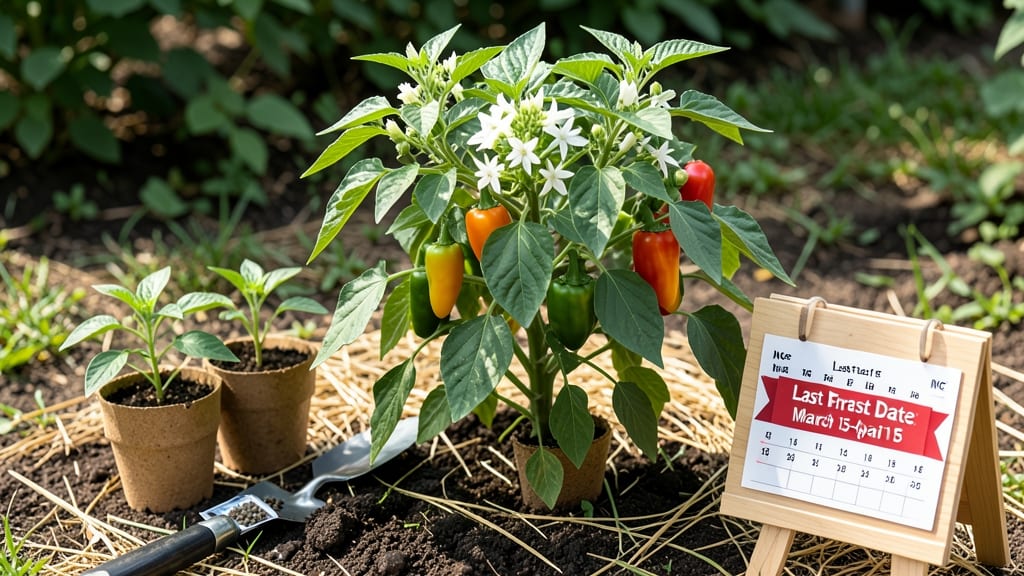
Knowing when to plant jalapeños in NC can turn your garden from a gamble into a guaranteed harvest of fiery, homegrown peppers. The key? Timing it perfectly after those unpredictable spring frosts—because even heat-loving 🌶️ jalapeños won’t tolerate cold soil or chilly nights.
North Carolina’s 7a-8b climate gives you two prime windows: mid-April to early June for spring plantings (with last frost dates varying wildly from coastal to mountain regions) or late July for a fall harvest that keeps producing until October.
But here’s the catch—soil needs to hit a balmy 70°F+ before seeds even think about sprouting.
Whether you’re starting seeds indoors 8-10 weeks early or grabbing transplants, I’ll break down the exact deadlines for Raleigh, Charlotte, and beyond—plus how to stretch your season with shade cloth and succession planting. No more guessing games, just peak spice potential.
Ready to grow jalapeños that outperform store-bought? Let’s dive into the heat-tolerant varieties that thrive in NC’s humidity, plus pro tips to beat pests and storms. Your first harvest could be just 75 days away—if you plant right.
NC jalapeno planting deadlines: exact frost-free dates by region
North Carolina’s diverse climate means your jalapeño planting window can vary by 10 days or more depending on where you live. Whether you're in the humid coastal plains or the mountainous western slopes, knowing your last frost date is critical for heat-loving peppers.
Jalapeños need soil temperatures above 70°F to germinate and 85°F+ for optimal growth—so timing is everything!
For most of NC, the ideal planting window stretches from mid-April to early June after the last frost. However, if you’re in the mountains (Asheville area), you might wait until late May to avoid late spring frosts.
Coastal areas like Wilmington can plant 2 weeks earlier thanks to milder winters. Always check your USDA Zone (7a-8b) for precision.
Here’s the breakdown you need to avoid frost damage and maximize your harvest:
| Region | Last Frost Date | Best Planting Window | Soil Temp Threshold | Harvest Window |
|---|---|---|---|---|
| Raleigh/Durham | Mid-April | April 15–May 15 | 70°F+ (germination) | July–September |
| Charlotte | Late March | April 1–May 10 | 75°F+ (optimal) | June–August |
| Asheville/Western NC | Late April | May 15–June 1 | 80°F+ (cooler nights) | August–October |
| Coastal NC (Wilmington) | Early March | March 20–April 30 | 65°F+ (earlier start) | May–July |
If you’re direct sowing seeds, wait until the soil is at least 70°F—use a soil thermometer to check. For transplants, buy hardened-off plants after your last frost and acclimate them for 3–5 days before planting.
Pro tip: In Zone 7a (western NC), consider black plastic mulch to warm the soil faster and extend your season.
Don’t forget about fall planting! For a late harvest, sow seeds in late July (coastal) or early August (mountains). With shade cloth and consistent watering, you can enjoy peppers into October or November before the first frost hits.
Just be prepared for hurricane season if you’re near the coast—secure your plants early!
Microclimates matter too. A south-facing slope warms up faster than a shady valley, so adjust your planting date by 1–2 weeks accordingly. Urban areas with concrete heat islands may also allow earlier planting.
Always monitor your local weather forecasts and use a frost calendar from your Cooperative Extension Service for the most accurate data.
For container growers, start seeds indoors 8–10 weeks before your last frost. Use grow lights if natural light is limited, and transplant seedlings when they’re 4–6 inches tall and the soil is warm. Containers heat up faster than garden beds, so you might plant 1–2 weeks earlier than in-ground.
Remember: Jalapeños are sensitive to cold, even as mature plants. A single night below 50°F can stunt growth or kill the plant. Use row covers or a cold frame if early spring or late fall threatens your harvest.
With the right timing, you’ll be picking spicy green peppers all summer long!
🌱
Pro tips to extend your NC jalapeno growing season (start indoors, succession planting, and shade cloth hacks)
North Carolina’s short growing season and sudden summer storms can cut your jalapeño harvest short—but not if you plan ahead. The secret to a longer harvest window lies in strategic planting and protection.
Start seeds indoors 8-10 weeks before your last frost date (typically early March for most regions) to get a head start on the season.
For coastal NC, where frost lingers later, aim for mid-March starts. In the mountains (Asheville area), push it to late March. This early start ensures your plants are robust enough to handle transplant shock when soil warms to 70°F+—usually by late April or early May.
🌱Pro Tip: Use grow lights if your indoor space lacks sunlight. Jalapeños need 12-14 hours of light daily to prevent leggy seedlings. Place lights 2-3 inches above seedlings and adjust as they grow.
🔥 5 Pro Tips to Extend Your Jalapeno Season
- Start seeds indoors 8-10 weeks before last frost (use seedling heat mats for faster germination).
- Use shade cloth (30-50%) in late spring/early summer to protect plants from NC’s intense heat waves (above 90°F).
- Practice succession planting: Sow new seeds every 2-3 weeks after the first planting for a staggered harvest.
- Hardening off seedlings 7-10 days before transplanting by gradually exposing them to outdoor conditions.
- Mulch with straw or grass clippings to retain soil moisture and regulate temperature during NC’s humid summers.
Don’t overlook fall plantings—they’re your ticket to a second harvest! In late July, sow jalapeño seeds directly in the ground or transplant seedlings.
With NC’s first frost typically arriving in mid-November, you’ll have 3-4 months of harvest time if you plant heat-tolerant varieties like 'NuMex Big Jim'.
For urban gardeners with limited space, consider container growing. Use 5-gallon pots with well-draining soil and place them in full sun. Containers warm up faster in spring, giving you an edge on the growing season.
Just ensure pots have drainage holes to prevent root rot—a common issue in NC’s rainy summers.
🌿Final Hack: If a late spring frost threatens, cover young plants with frost blankets or even old bedsheets. Remove the cover once the sun returns to avoid overheating.
With these tricks, you can double your harvest and enjoy fresh jalapeños from July through October—or even later with a fall planting!