
Plants
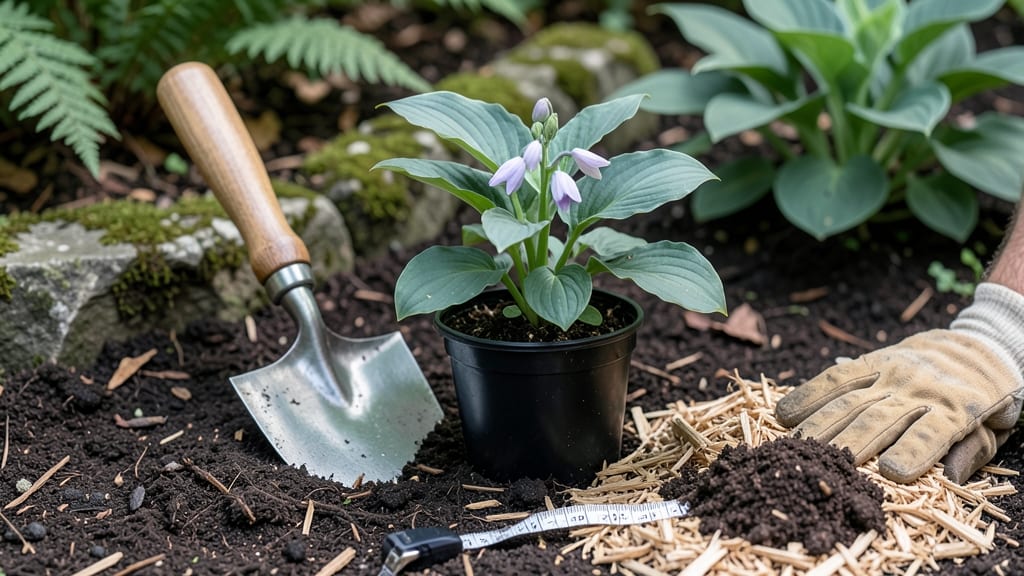
Timing your Hosta planting in Colorado could mean the difference between lush, thriving foliage and frost-damaged disappointment. With Colorado’s USDA Zones 5-7 and unpredictable frost dates, getting the window right is everything.
Most gardeners in Colorado wait until late April to mid-May—after the last frost—when soil temperatures consistently hit 50°F. This timing gives your 🌿 hostas the best chance to establish strong roots before summer heat arrives.
But here’s the catch: Denver’s Front Range and mountain-adjacent areas can have 10-day differences in frost dates. I’ll break down exactly when to plant in your specific zone, plus soil prep tips to ensure your hostas take off without a hitch.
Ready to transform your garden with vibrant, low-maintenance hostas? Let’s dive into the science-backed planting schedule that actually works for Colorado’s climate.
Optimal Colorado Hosta planting dates by Zone 4-5 microclimates
Colorado’s Zone 4-5 climate means hostas must be planted with precision—too early risks frost damage, while waiting too long delays their root establishment. The Front Range (Denver, Fort Collins) and mountain-adjacent areas (Colorado Springs, Boulder) have distinct frost patterns, so I’ll break down the best windows for each microclimate.
For most of Zone 5 (Denver metro), aim for late April to mid-May after the average last frost date (typically April 25–May 10).
In colder Zone 4 pockets (e.g., Fort Collins or Grand Junction), push planting to mid-May to avoid late frosts that can kill tender new growth.
Here’s the science behind these dates: Hostas need soil temperatures above 50°F (10°C) to thrive, and Colorado’s soil warms gradually. Using local frost data (like the Colorado Climate Center) ensures you’re not guessing—just planting when the risk drops below 10%.
Pro tip: Check your microclimate by observing nearby perennials. If daffodils are blooming and lilacs are in full leaf, your soil is likely ready for hostas.
| Region | Zone | Last Frost Avg. | Optimal Planting Window | Soil Temp Threshold |
|---|---|---|---|---|
| Denver Metro | 5a-5b | April 25–May 5 | Late April–Mid-May | 50°F+ (10°C) |
| Fort Collins | 4b-5a | May 10–15 | Mid-May | 50°F+ (10°C) |
| Colorado Springs | 5b-6a | April 15–25 | Early–Late April | 50°F+ (10°C) |
| Grand Junction | 6a-6b | April 1–10 | Late March–Early April | 50°F+ (10°C) |
If you’re in a higher-elevation garden (e.g., Boulder or Eagle County), err on the side of caution and wait until mid-May. These areas experience later frosts, and hostas planted too early may bolt or develop leaf scorch from sudden temperature swings.
For container-grown hostas, you can plant 2 weeks earlier than in-ground varieties, as pots warm faster in spring. Just ensure your containers have drainage holes to prevent root rot—a common issue in Colorado’s clay-heavy soils.
One mistake I see often? Planting bare-root hostas too late in the season. If you’re buying dormant crowns (common in spring sales), get them in the ground by mid-May at the latest. Their roots need 6–8 weeks to establish before winter sets in.
For Denver gardeners, I recommend tracking the National Weather Service’s Denver/Boulder forecast for real-time updates on frost risks. Their 10-day outlook can help you time your planting down to the day.
Finally, if you’re in a warmer microclimate (like a south-facing slope), you might push planting to early April. But test your soil first—if it’s still below 50°F, wait. Hostas are forgiving, but cold soil is their enemy.
5 Signs your Colorado soil is ready for hostas (before planting)
Before you rush to plant your hostas in Colorado, checking soil readiness is non-negotiable. Cold soil and premature planting can stunt root growth or even kill young plants. I’ve learned the hard way—waiting for the right cues saves time and heartache in the long run.
Colorado’s Zone 4-5 soils can stay chilly well into May, especially in mountain-adjacent areas. The key is waiting until your soil hits 50°F consistently. This threshold ensures roots can absorb moisture and nutrients efficiently, setting your hostas up for success.
Here’s how to test your soil without fancy tools: Stick your finger about 2 inches deep. If the soil feels cool but not icy, and moisture clings to your finger, it’s likely ready. For a quicker check, use a soil thermometer—it’s a game-changer for Colorado gardeners.
| Sign | What It Means | Action |
|---|---|---|
| Soil temp 50°F+ | Roots can grow actively | Plant your hostas |
| Daffodils blooming | Last frost risk passed | Safe to plant |
| Moist but not soggy | Ideal moisture for roots | Proceed with planting |
| Earthworms active | Soil microbes thriving | Perfect planting conditions |
| No frost in forecast | No late cold snaps | Final check before planting |
Another foolproof trick? Watch for daffodils in bloom. These hardy flowers signal that the last frost has passed in most of Colorado. If you see them popping up in your garden, it’s your green light to plant hostas without fear of frost damage.
Don’t overlook soil moisture—hostas thrive in well-draining but consistently moist soil. If your soil feels dry or crumbly at 2 inches deep, give it a good watering before planting. This step prevents transplant shock, especially in Colorado’s dry springs.
Finally, check for earthworms in your soil. Their presence means your garden’s microbial life is active, which is a great sign your hostas will establish quickly. If you don’t see any, add a handful of compost to boost soil health before planting.
Once you’ve confirmed all five signs, your hostas are ready to go in the ground. Just remember: Patience now means vibrant, healthy plants later—no guesswork involved!