
Plants
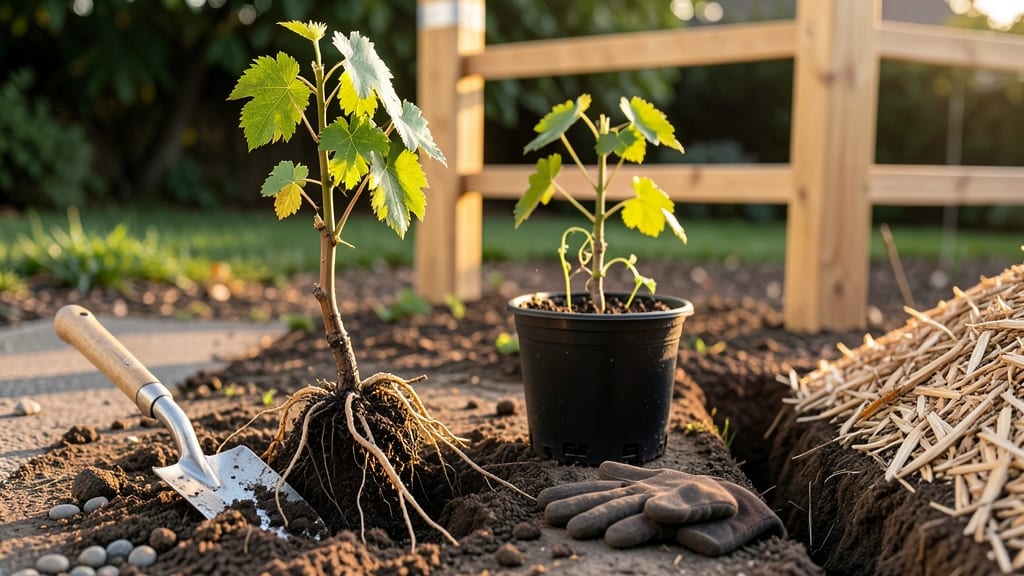
If you're dreaming of a backyard bursting with 🍇 grape vines but wondering when to plant grape vines in Georgia could mean wasted effort, you're not alone.
Georgia's warm climate makes it perfect for growing grapes, but timing your planting right is the difference between a thriving vineyard and struggling vines.
The best window for planting grape vines in Georgia is late winter to early spring, specifically between February and March. This timing aligns with the last frost date around March 15 and gives your vines the head start they need before the heat of summer arrives.
Why does this matter? Planting too early risks frost damage, while waiting too long can stress young vines as temperatures rise.
I'll walk you through the ideal planting schedule for your specific USDA zone—whether you're in 7a or 8b—and share pro tips to ensure your grape vines take root and flourish.
Let's dive into the details so you can enjoy a bountiful harvest from August to October—without any surprises along the way.
Georgia’s grape planting timeline by heat zone (USDA 7b-8b)
Georgia’s USDA zones 7b-8b create a perfect climate for grape vines, but timing your planting around frost-free windows is critical. Most gardeners in North Georgia (7b) and Central/South Georgia (8a-8b) should plant between late February and early April to avoid late frosts that can damage tender new growth.
The ideal soil temperature for planting grape vines is 60-65°F. In Georgia, this typically aligns with March for most regions, but cooler microclimates (like the Appalachian foothills) may need to wait until early April.
Always check your local last frost date—North Georgia averages March 15, while South Georgia sees March 1.
For bare-root vines, the best window is dormant season (late winter to early spring), while potted vines can be planted slightly later, up to mid-April. Muscadine grapes, Georgia’s native variety, are more frost-hardy and can tolerate earlier planting (as early as February in warmer zones).
🍇 Georgia Grape Planting Timeline by Zone
| Zone | Best Planting Month | Soil Temp | Variety Notes |
|---|---|---|---|
| 7b (North GA) | Late March - Early April | 60-65°F | Vitis vinifera (wine grapes), hybrid varieties |
| 8a (Central GA) | Early March - Mid-April | 60-65°F | Muscadines, table grapes, heat-tolerant hybrids |
| 8b (South GA) | Late February - Early March | 55-60°F | Early-ripening varieties, tropical hybrids |
🌡️ Pro Tip: Use a soil thermometer to confirm temperature before planting—55°F is the minimum for root growth.
If you miss the primary planting window, you can still plant in late fall (October-November), but this requires extra care to protect vines from freezing temperatures. Fall-planted vines need mulch protection and may take longer to establish.
For container-grown grapes, extend your window to May, but expect reduced first-year yields.
Early varieties like Scuppernong (a Muscadine) can be planted as early as February in South Georgia, while late-season varieties (like Crimson Seedless) should wait until April in North Georgia. Always choose disease-resistant varieties for your zone—Georgia’s humidity demands powdery mildew-resistant grapes.
For trellis training, install your support structure before planting—grape vines need strong vertical support from day one. In Georgia, Arbor Day (last week of January) is a great time to set up trellises, giving you a head start before planting season begins.
Remember: Georgia’s heat means fast growth once planted. Water deeply after planting to encourage root establishment, and avoid over-fertilizing—too much nitrogen leads to leafy growth at the expense of fruit. Aim for a balanced 10-10-10 fertilizer applied 4-6 weeks after planting.
🌱 Key Takeaway: Plant Muscadines in February-March, Vitis vinifera in March-April, and always adjust for your microclimate. Georgia’s 210 frost-free days give you a long growing season—use it wisely!
Critical factors that determine your planting window in Georgia
Georgia’s USDA zones 7b-8b offer a long growing season, but soil temperature and humidity levels can make or break your grape vine success. The ideal planting window—February to early April—aligns with when soil warms to 50-60°F, encouraging root establishment before summer heat arrives.
In cooler northern Georgia (7b), wait until mid-March to avoid frost damage, while warmer southern regions (8b) can plant as early as late February.
Your chosen grape variety also dictates timing. Muscadine grapes, native to Georgia, thrive when planted 2-3 months before last frost (typically by March 15). Meanwhile, Vitis vinifera (wine grapes) need even cooler soil, so delay planting until mid-April to prevent heat stress on young roots.
Hybrid varieties like Norton grapes fall somewhere in between, offering flexibility for late March to early April planting.
Humidity plays a sneaky role too. Georgia’s high summer humidity (often 70-80%) can stress young vines if planted too late.
Aim to establish roots before June’s heat peaks—this means avoiding May planting unless you’re using drip irrigation and shade cloth to protect tender shoots. Southern Georgia’s higher humidity may require earlier planting (February) to outpace fungal risks.
Don’t overlook container planting if your yard lacks ideal conditions. Potted grape vines can be planted 2 weeks earlier than in-ground varieties since containers warm faster. Just ensure pots have drainage holes and use well-draining soil mixes to prevent root rot—a common issue in Georgia’s clay-heavy soils.
Watch for unpredictable late frosts, especially in higher elevations (e.g., Blue Ridge Mountains). While most of Georgia sees its last frost by March 15, mountainous areas can experience frost into April. Use frost cloth or plant near south-facing walls to create a microclimate that warms faster.
Finally, moisture levels matter. Georgia’s drought-prone summers mean newly planted vines need consistent watering for the first 60 days. Plan to water deeply 2-3 times per week until roots establish—skipping this step can lead to wilting or poor fruit set later in the season.