Vegetables
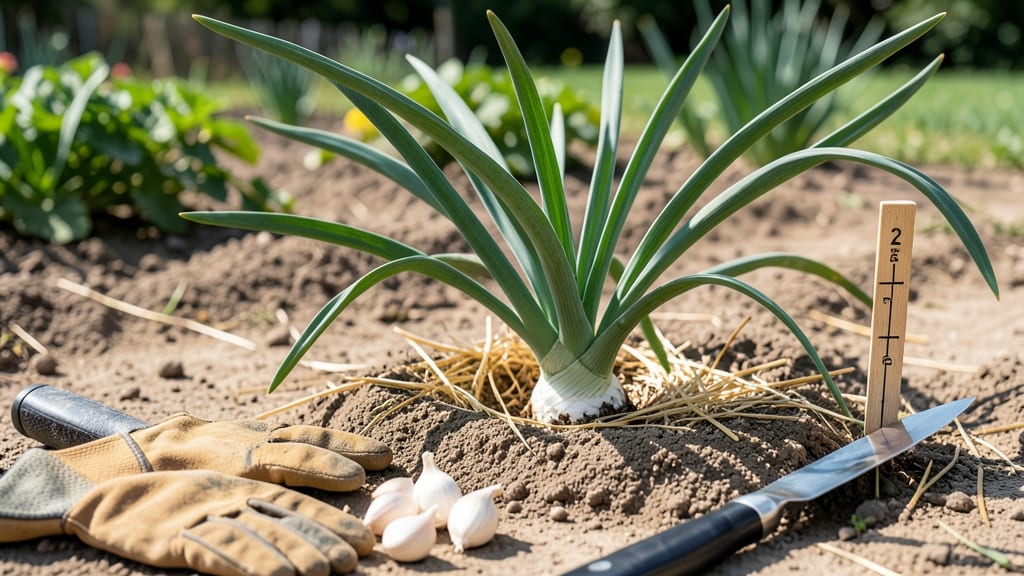
Timing your garlic planting in Phoenix isn’t just about following a calendar—it’s about outsmarting the desert’s extreme shifts from 110°F summers to surprisingly cool winters.
Unlike colder climates, Phoenix’s USDA Zone 9b lets you plant 🧄 garlic year-round with the right strategy, but those November-January windows are your golden ticket to plump, flavorful bulbs.
Most gardeners assume garlic needs frost to thrive, but Phoenix’s frost-free winters flip the script. The key? Planting when soil temps dip below 70°F—a sweet spot that tricks garlic into thinking it’s time to grow.
Skip this window, and you’ll risk bolting (flowering) too soon, turning your potential harvest into skinny, pungent stalks instead of the bold bulbs you crave.
Whether you’re a first-timer or a seasoned grower, nailing this timing means fewer headaches and more rewards. I’ll walk you through the exact months to plant, which heat-tolerant varieties perform best in Phoenix’s soil, and how to prep your garden to beat the desert’s dry heat.
Ready to grow garlic that’s bigger, tastier, and stress-free?
Let’s dive into the 3-step plan that’s worked for Phoenix gardeners—no guesswork, just proven results. Your kitchen (and taste buds) will thank you.
Best months to plant garlic in Phoenix’s zero-frost zone
Phoenix’s USDA Zone 10b/11 means no frost to worry about, but the real challenge is avoiding summer’s 110°F+ heat. Garlic thrives in cool winter temperatures (50-60°F), so timing is everything.
Plant too late, and your bulbs will bolt in the spring heat. Too early, and they’ll rot from winter rains or sit dormant too long.
For Phoenix gardeners, the sweet spot is November through January. This window ensures garlic gets 60-90 days of cool weather before spring temperatures climb. Hardneck varieties (like ‘German White’) need slightly cooler temps, while softneck types (like ‘Silverskin’) handle mild winters better.
Here’s the breakdown: November 1-30 is ideal for early starters, December is peak time, and January 1-15 works for late bloomers. Avoid planting after mid-January—spring heat will stress your garlic before bulbs mature.
🌱
| Planting Window | Variety Fit | Phoenix Risk | Action Steps |
|---|---|---|---|
| November 1-30 | Hardneck & Softneck | Low (cool nights) | Pre-chill bulbs 4-6 weeks; plant 4" deep |
| December 1-31 | All varieties | None (ideal temps) | Plant with 6" spacing; mulch heavily |
| January 1-15 | Softneck preferred | Moderate (spring heat risk) | Use shade cloth if temps rise above 75°F |
| Avoid After | January 15 | High (bolting risk) | Skip planting; harvest existing crops |
Phoenix’s microclimates add another layer. Higher elevations (like Carefree or Scottsdale) stay cooler longer, while low desert areas (Glendale, Mesa) warm up faster. Test your soil temperature—garlic roots need 50-60°F soil to establish. Use a soil thermometer if unsure.
Pro tip: Pre-chill garlic bulbs for 4-6 weeks before planting. Store them in a paper bag in the fridge to mimic winter dormancy. This tricks the plant into thinking it’s cold season, ensuring stronger root growth when you plant.
Watering is critical in Phoenix. Deep soak weekly (1-1.5 inches) during establishment, then taper to every 10-14 days once roots are deep. Overwatering in winter leads to rot, while underwatering stunts bulb size.
💧
Harvest timing depends on your planting month. November plants may be ready by late April, while January plants could extend to June. Watch for lower leaves browning and paper skin forming—these are your cues.
Cure harvested bulbs in a dry, shady spot for 2 weeks to preserve flavor.
🌿
Best months to plant garlic in Phoenix’s zero-frost zone
Phoenix’s USDA Zone 10b climate means no frost to worry about, but timing still matters—garlic thrives when temperatures stay between 50°F and 65°F. Planting in the cool winter months avoids summer’s 110°F+ heat, which stresses garlic bulbs.
The ideal window? November through January, when daytime highs hover in the 60s-70s.
Unlike colder climates, Phoenix gardeners can skip the chilling requirement for most varieties by planting early enough. Hardneck garlic (like ‘German White’) needs slightly cooler temps, while softneck varieties (like ‘Silverskin’) tolerate mild winters better.
Aim for 4-6 weeks before spring growth—typically late November—to give roots time to establish before heat returns.
| Month | Ideal Planting Time | Notes |
|---|---|---|
| October | Early October (high elevations) | Risk of summer heat; best for north Phoenix |
| November | Best window (mid-Nov to Dec 15) | Cooler temps, minimal heat stress |
| December | Ideal for softneck varieties | Avoid if temps drop below 40°F |
| January | Last chance (early Jan only) | Heat arrives fast; bulbs may bolt |
Pro tip: Use shade cloth if planting in February—even brief 90°F+ days can stunt bulb growth. Phoenix’s desert soil drains too quickly for garlic, so amend with 2-3 inches of compost before planting. This mimics the moisture-retentive conditions garlic craves in cooler climates.
For hardneck varieties, prioritize November planting to ensure scapes form by spring. Softneck garlic, like ‘Artichoke,’ handles Phoenix’s mild winters better and can even be planted in late December if soil stays above 50°F.
Always plant cloves pointy-end up, 2 inches deep, and 4 inches apart—this spacing prevents fungal diseases in Phoenix’s dry heat.
Watch for bolting (premature flowering) if temps spike above 75°F too soon. To delay growth, mulch heavily with straw or wood chips—this keeps roots cool and soil moisture steady. Bolting garlic produces smaller bulbs and bitter cloves, so timing is everything in Phoenix’s zero-frost zone.
Harvest time arrives in April-June, when lower leaves turn brown and crispy. Unlike northern climates, Phoenix garlic doesn’t need a curing period—simply braid softneck varieties for storage or use hardneck garlic fresh within weeks.
The key? Plant in November for the sweetest, largest bulbs Phoenix has to offer.