
Trees
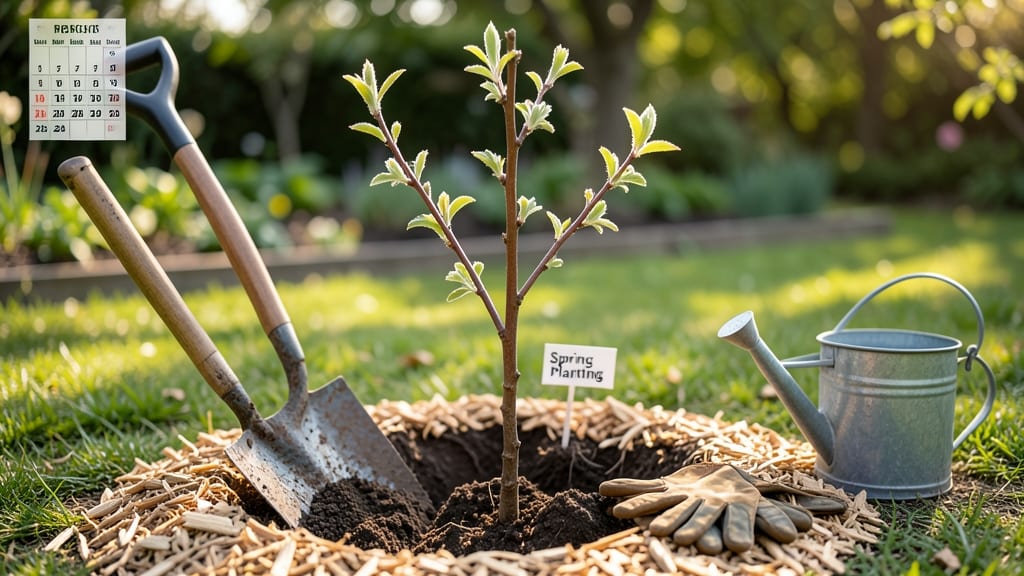
Planting fruit trees in Kentucky at the wrong time could mean the difference between a thriving orchard and years of disappointment.
With USDA Zones 5b-8a and four distinct seasons, getting the timing right is everything—especially for varieties like apples 🍎🍐🍑, peaches, and persimmons that need just the right conditions to take root.
The best window for most fruit trees in Kentucky is late winter to early spring, when the soil thaws but before buds break. This gives young trees time to establish strong roots before summer heat arrives.
But if you're planting container-grown varieties, fall can also work—just avoid the late season when frost threatens tender roots.
Why does timing matter so much? Because Kentucky's microclimates vary from the cooler Bluegrass region to the warmer Pennyrile area, and frost dates can shift by weeks. I'll break down the exact months for each zone and variety, plus soil prep tips to ensure your trees grow big and strong.
Whether you're a first-time gardener or a seasoned orchard keeper, these insights will help you plant with confidence. Let's get your fruit trees off to the best possible start—because a little planning now means years of harvests to come.
Best planting months for fruit trees in Kentucky by hardiness Zone
Kentucky’s USDA Zones 6-7 offer two prime windows for planting fruit trees: late winter to early spring and fall. The best timing depends on whether you’re planting bare-root trees or container-grown varieties, as well as your local microclimate.
For example, Northern Kentucky’s Zone 6b has a shorter growing season, while Southern Kentucky’s Zone 7a can extend planting slightly later.
Bare-root trees—common in nurseries—thrive when planted in dormancy, typically between February and early April. This gives roots time to establish before spring growth begins.
Container-grown trees, however, are more flexible and can be planted throughout the growing season, including fall (September–November), as long as soil temperatures stay above 40°F.
Here’s the breakdown for Kentucky’s two main planting seasons, tailored to your zone:
| Season | Zone 6b (Northern KY) | Zone 7a (Southern KY) | Tree Type | Key Consideration |
|---|---|---|---|---|
| Spring | Feb 15–Mar 31 | Feb 20–Apr 15 | Bare-root | Plant before buds swell; avoid frost. |
| Spring | Mar 1–Apr 15 | Mar 15–Apr 30 | Container-grown | Soil must be workable (not frozen or waterlogged). |
| Fall | Sep 15–Oct 31 | Sep 1–Nov 15 | Container-grown | Plant 6–8 weeks before first frost; roots need time to establish. |
| Avoid | Nov 1–Feb 15 | Nov 1–Feb 20 | All types | Frozen soil or active growth stress trees. |
For deciduous trees like apples and peaches, planting in early spring ensures roots establish before the tree enters active growth. Evergreens, such as figs or citrus (if grown in containers), prefer fall planting to reduce transplant shock.
Kentucky’s last frost date typically falls around March 15, so aim to plant before then for spring.
If you’re in Zone 6b, like in Louisville or Lexington, prioritize bare-root trees in March or container-grown trees by late April. In Zone 7a, such as Bowling Green or Paducah, you can extend planting to mid-April or even early November for fall options.
Always check your local frost dates—a late frost can damage new growth.
Soil temperature is critical. Use a soil thermometer to confirm it’s above 40°F before planting. In Kentucky’s clay-heavy soils, amending with compost or organic matter improves drainage and root establishment. For example, mixing in well-rotted manure can boost nutrient availability for your young tree.
Pro tip: Mulch heavily after planting (3–4 inches of organic mulch) to retain moisture and regulate soil temperature. This is especially important in Kentucky’s hot summers and cold winters, where temperature swings can stress young trees.
For stone fruits like peaches and plums, avoid planting in late spring (May–June), as they’re prone to bacterial canker when stressed. Instead, stick to the early spring or fall windows for best results.
If you’re unsure about your zone, check the USDA Plant Hardiness Map or contact your local Cooperative Extension Service for tailored advice.
Remember, Kentucky’s microclimates vary—urban areas like Louisville may experience heat islands, while rural regions like the Pennyrile Plateau can be cooler. Adjust your planting timeline accordingly, and always choose disease-resistant varieties suited to your area.
Top 5 fruit trees for Kentucky gardens and their ideal planting times
Kentucky’s climate supports a variety of fruit trees that thrive with the right planting timing. Whether you’re dreaming of juicy peaches or sweet apples, knowing the best months to plant ensures your trees establish strong roots before winter.
I’ve ranked the top 5 varieties that do exceptionally well in Kentucky’s USDA Zones 6-7, along with their ideal planting windows and care tips.
First up, apple trees are a staple in Kentucky orchards. Plant them in late winter to early spring (February–March) when the soil is workable but before buds swell.
This timing allows roots to establish before the growing season. For container-grown trees, fall planting (October–November) also works well, giving roots time to settle before winter dormancy.
Apple Trees
Peach trees are another favorite, but they demand precision. Plant them in early spring (March–April) to avoid late frosts that can damage blossoms. Kentucky’s Zone 6 areas may experience frost until mid-April, so wait until after the last frost date in your region. For container-grown peaches, fall planting is risky—stick to spring for best results.
Peach Trees
Don’t overlook persimmon trees, which are drought-tolerant and thrive in Kentucky’s heat. Plant them in fall (October–November) for a head start on root growth. Persimmons are low-maintenance but need full sun and well-draining soil. Avoid planting in spring—they can struggle with Kentucky’s humid summers if not established early.
Fig trees are perfect for warmer microclimates like Louisville or Lexington. Plant them in early spring (March–April) after the last frost. Figs are evergreen in Kentucky’s milder zones but may need winter protection in colder areas. Choose container-grown trees for flexibility, as they adapt better to Kentucky’s Zone 7 fluctuations.
Lastly, pawpaw trees are Kentucky’s native gem. Plant them in fall (October–November) or early spring (March) for best success. Pawpaws love rich, moist soil and partial shade, making them ideal for woodland edges. Their unique flavor and cold hardiness make them a must-try for Kentucky gardeners.
For all these trees, soil preparation is key. Amend your soil with compost before planting, and mulch around the base to retain moisture. With the right timing and care, your Kentucky orchard will flourish for years to come! 🌳