
Flowers
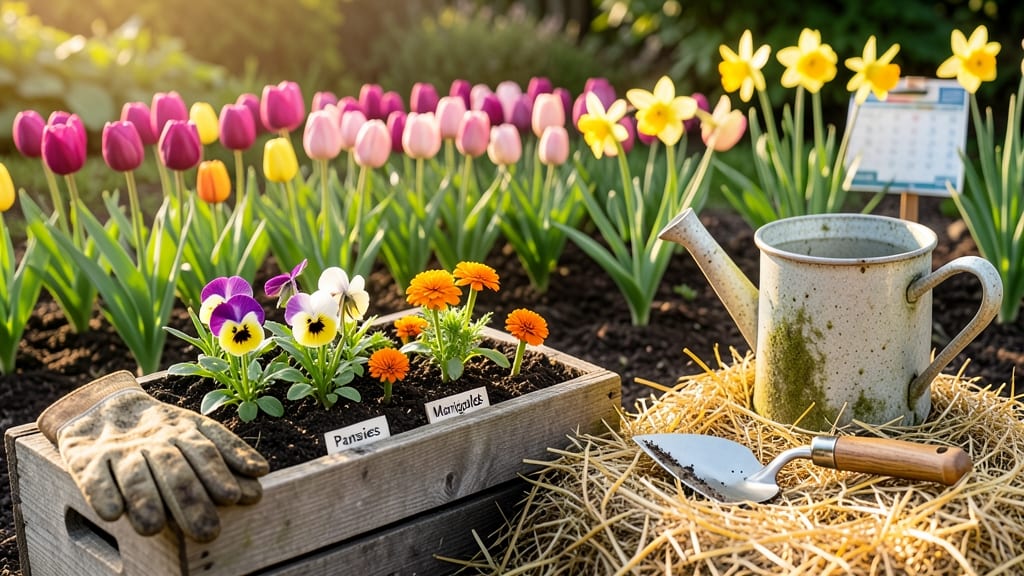
Timing your flowers planting in Pittsburgh isn't just about luck—it's about beating the Zone 6b frost dates that can turn your garden dreams into a sad, brown mess.
With last frosts sneaking in around April 15 and first frosts creeping up by October 15, getting those seeds in the ground (or bulbs in the soil) at the right moment makes all the difference between a showstopping garden and a sad, stunted one.
I’ve spent years watching Pittsburgh’s weather play tricks on gardeners, and let me tell you—there’s a science to this.
Whether you’re dreaming of 🌸 coneflowers that last all summer or delicate petunias that spill over your porch, planting too early means frost-burned seedlings, while waiting too long leaves you scrambling to find blooms before winter sets in. The key?
Knowing exactly when to plant cool-season flowers (like pansies) versus heat-lovers (like marigolds) so you’re not left with wilted dreams.
What if I told you there’s a foolproof schedule that accounts for Pittsburgh’s quirky microclimates—from the urban heat islands downtown to the cooler pockets near the rivers?
You’ll learn how to adjust planting times based on whether you’re in the South Hills, North Shore, or somewhere in between, plus how to stretch your growing season with simple tricks like row covers. No more guessing games—just vibrant blooms that last.
Let’s cut to the chase: I’ll walk you through the exact deadlines for planting annuals, perennials, and bulbs, so you can enjoy a garden that’s as reliable as Pittsburgh’s… well, as reliable as its weather gets. Ready to turn your garden into a year-round masterpiece? Let’s get started.
Pittsburgh’s best flower planting deadlines by season (Zone 6b)
Pittsburgh’s Zone 6b climate means frost can linger until mid-April and return as early as mid-October. Timing your plantings around these dates ensures your flowers thrive without frost damage.
Whether you’re sowing seeds or transplanting seedlings, knowing the exact windows for cool-season and warm-season flowers is key to a showstopping garden.
The Pittsburgh Botanical Gardens tracks frost data annually, and their records show the average last frost falls on April 15, while the first frost typically arrives October 15.
Use these dates as your baseline, but always check local forecasts or tools like the National Weather Service for real-time adjustments. For annuals, aim to plant after the last frost, while perennials and bulbs often need an earlier start.
🌱 Pittsburgh Flower Planting Timeline (Zone 6b)
| Season | Planting Window | Flowers to Plant | Key Notes |
|---|---|---|---|
| Early Spring (March) | Late March - Early April | Tulips, Daffodils, Pansies, Violas | Plant bulbs 6-8 weeks before last frost; hardy annuals tolerate light frost. |
| Spring (April - May) | After April 15 (last frost) | Petunias, Marigolds, Zinnias, Coneflowers, Black-Eyed Susans | Warm-season annuals need soil temps above 50°F for germination. |
| Summer (June - July) | June (transplant only) | Cosmos, Sunflowers, Snapdragons, Russian Sage | Direct-sow seeds in late May for fall blooms; avoid mid-summer heat stress. |
| Fall (September - October) | Late August - Early September | Asters, Chrysanthemums, Pansies, Calendulas | Plant 6-8 weeks before first frost for fall/winter color. |
For perennials, the best time to plant is early spring (April) or early fall (September), giving roots time to establish before extreme temperatures. Bulbs like tulips and daffodils should go into the ground 6-8 weeks before the last frost—typically late September to early October for fall planting or October to November for winter blooms.
If you’re growing from seed, start annuals indoors 6-8 weeks before the last frost or direct-sow after danger of frost has passed.
Container gardening offers flexibility—you can plant heat-loving annuals like geraniums and vinca as late as mid-May, since pots warm up faster than soil. Just be prepared to move containers indoors if a late frost threatens. For vegetable gardens with companion flowers, align your plantings with edibles like tomatoes (plant after May 1) to maximize pollination and pest control.
Pittsburgh’s urban heat islands can create microclimates where soil warms up faster, allowing you to plant earlier in city zones like the Strip District. Conversely, areas near Three Rivers Stadium or the North Shore may experience delayed warming due to lake breezes. Always monitor your specific location’s conditions for the most accurate timing.
Pro tip: Use row covers or cold frames to extend your planting season by 2-4 weeks in spring or fall. These tools create a 5-10°F warmer microclimate, protecting tender seedlings from late frosts. Just remove covers once plants are established to prevent overheating.
Native Pittsburgh flowers like black-eyed Susans and coneflowers are your best bet for low-maintenance, reliable blooms. These perennials thrive with minimal intervention once established, making them perfect for gardeners who want zero-fuss color. For a longer bloom season, layer cool-season and warm-season flowers—think pansies in spring and marigolds in summer—to create continuous interest.
🌸
How to adjust planting times for Pittsburgh’s microclimates
Pittsburgh’s varied neighborhoods create microclimates that can shift planting deadlines by 2-3 weeks. The South Hills stay cooler longer, while downtown areas heat up faster—even within the same zip code. If your North Shore garden blooms two weeks earlier than your Mt. Lebanon beds, you’re not imagining it.
These shifts matter most for tender annuals like petunias and marigolds, which can’t handle unexpected chills.
Urban heat islands—where pavement and buildings trap warmth—can push summer planting (like zinnias or cosmos) into early June instead of July. Meanwhile, lake-effect winds near Lake Erie or the Ohio River may delay spring plantings by 10-14 days.
Elevation changes of just 100 feet can also alter frost dates by a week.
Here’s how to fine-tune your schedule using local landmarks as guides. The Pittsburgh Botanical Gardens (Zone 6b) typically sees its last frost on April 15, but if you’re in the South Hills, aim for April 22.
Conversely, downtown gardens can safely plant heat-lovers like lantana by May 1 instead of waiting for Memorial Day.
| Microclimate | Last Frost Shift | Adjust Planting By | Tools to Extend Season |
|---|---|---|---|
| South Hills (Mt. Lebanon, Sewickley) | April 22 (7 days later) | Wait until May 1 for annuals | Row covers for May plantings |
| North Shore (Lawrenceville, Strip District) | April 8 (7 days earlier) | Plant cool-season flowers by April 15 | Cold frames for early starts |
| Downtown (Golden Triangle, Oakland) | April 10 (5 days earlier) | Start heat-lovers by May 1 | Shade cloth for summer scorch |
| Rural Areas (North Park, Bethel Park) | April 20 (5 days later) | Delay frost-sensitive plants | Black plastic mulch for warmth |
A cold frame or floating row cover can push your planting window 3-4 weeks earlier for cool-season flowers like pansies or snapdragons.
For example, I’ve started calendula under a mini greenhouse by March 20 in my North Shore garden—giving me blooms by May 1, a full month ahead of unprotected plantings. Just remove covers once plants hit 4-6 inches tall to avoid overheating.
For fall planting, microclimates work in reverse. Downtown areas may need to halt new plantings by September 20, while cooler South Hills can extend the season until October 1.
Use a frost calendar from the Penn State Extension to track local trends, and always monitor the National Weather Service for late-season cold snaps. A 10-degree dip after your fall planting can devastate tender perennials like salvia or canna lilies.
Pro tip: Test your microclimate’s frost risk by planting basil (a heat-loving annual) in late April. If it survives until June, your zone is warming faster than average.
If it bolts by May, you’re in a cooler pocket. Adjust your schedule accordingly—your gardening journal will become your most valuable tool over time. 🌱