
Flowers
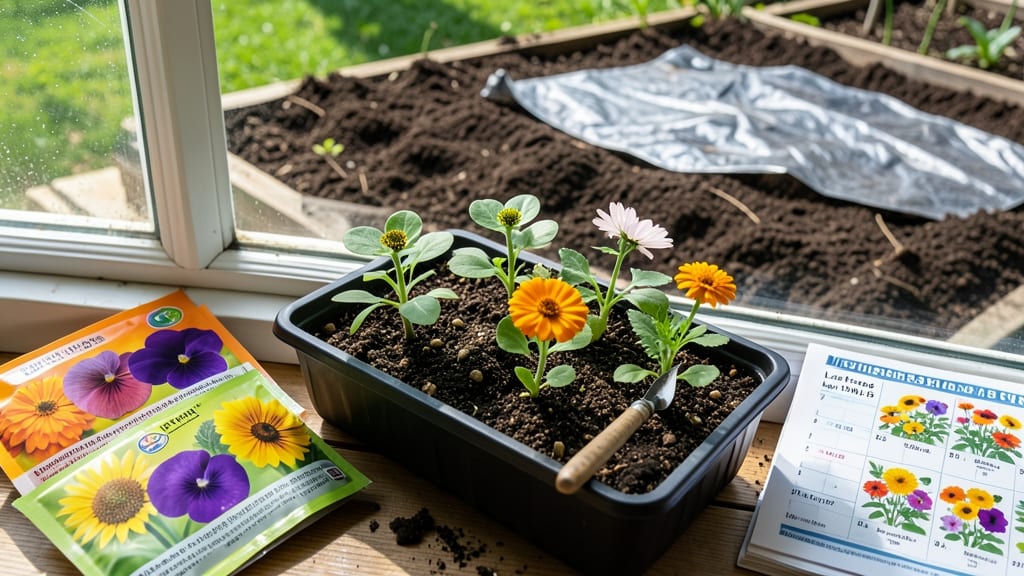
When to plant flower seeds in Massachusetts can make all the difference between a thriving garden and one that struggles to take root. With Zone 5B’s unpredictable frost dates—typically around April 15—getting the timing right means the difference between wasted effort and a burst of vibrant blooms all season long. Whether you're dreaming of spring petunias or late-summer sunflowers, knowing the perfect planting window ensures your seeds germinate in ideal soil temperatures and avoid early or late frosts that can stunt growth. In this guide, I’ll break down the exact planting windows for cool-season and warm-season flowers, including how to adjust for Massachusetts’ coastal and inland microclimates. You’ll learn when to start seeds indoors and when to sow directly outside for the most stunning results. Ready to transform your garden? Let’s dive into the perfect timing for every flower type, so you can enjoy a show-stopping display from spring to fall—no guesswork required.
Massachusetts flower seed planting calendar by month and frost dates
Massachusetts’ Zone 5B climate means your flower seeds must be planted at precise times to thrive. The last average frost date is around April 15, while the first frost typically arrives between October 31 and November 15.
These dates divide your growing season into critical windows for cool-season and warm-season flowers, each requiring different strategies.
For cool-season flowers like pansies, snapdragons, and calendula, start seeds indoors 6-8 weeks before your last frost (around February 15). These hardy annuals tolerate cooler temperatures and can even handle light frosts after germination.
Direct sowing outdoors begins as early as March 1, once soil temperatures rise above 40°F.
Warm-season flowers—such as zinnias, marigolds, and sunflowers—demand patience. Wait until after the last frost (mid-April) and only sow when soil temperatures consistently reach 60°F or higher, usually by May 1. Coastal areas may experience slightly later frost dates, so adjust accordingly.
Summer-blooming flowers like cosmos and black-eyed Susans thrive when planted after June 1, giving them ample time to establish roots before fall’s chill sets in. For a fall garden, sow cool-season varieties again in late August to early September to enjoy blooms before winter.
🌱
🌸 Massachusetts Flower Planting Calendar
| Month | Cool-Season Flowers | Warm-Season Flowers | Fall Planting |
|---|---|---|---|
| February | Start indoors (pansies, snapdragons) | None | None |
| March | Direct sow (calendula, sweet peas) | None | None |
| April | Transplant cool-season starts | Wait for soil >60°F | None |
| May | Sow hardy annuals (dianthus) | Direct sow (marigolds, zinnias) | None |
| June | None | Sow cosmos, sunflowers | None |
| August | Start cool-season for fall | None | Direct sow (pansies, sweet alyssum) |
| September | Transplant fall starts | None | Sow hardy annuals |
Inland areas of Massachusetts often experience earlier last frosts than coastal regions. For example, Western MA may see frost by April 1, while Cape Cod could delay until April 20. Use local frost charts or ask your county extension office for precise dates tailored to your town.
Perennials like coneflowers and black-eyed Susans can be sown directly in late spring (May) or early summer, but they’ll bloom more robustly in their second year. For bulbs like tulips, plant in October—they need cold stratification to flower the following spring.
Protect tender seedlings with row covers or cloches if an unexpected frost threatens after planting. Monitor your local weather forecasts and adjust your schedule to avoid losing young plants to late-season cold snaps.
🌿
How to adjust flower seed planting for Massachusetts’ microclimates
Massachusetts’ varied landscapes—from coastal breezes to inland valleys—create microclimates that can shift planting windows by weeks. For example, Boston’s coastal areas often enjoy 1-2 weeks earlier last frosts than inland Worcester.
If you’re unsure about your exact microclimate, check the USDA Zone 5B-7a map and observe your garden’s frost history for 2-3 years.
Urban gardeners in heat-island areas (like downtown Boston) may find soil warming 1-2 weeks faster than rural zones. Test soil temperature with a thermometer—most warm-season flowers need at least 60°F before direct sowing.
Coastal gardens also benefit from less extreme temperature swings, making them ideal for tender annuals like impatiens or begonias.
🌡️ Key Microclimate Adjustments for MA Gardeners
- Coastal Areas: Plant warm-season seeds 7-10 days earlier (e.g., zinnias by May 1 vs. May 8 inland).
- Inland Valleys: Wait until soil reaches 65°F (use row covers to protect early sowings).
- Urban Heat Islands: Start heat-loving flowers (e.g., sunflowers) indoors 2 weeks early to beat the rush.
- High Elevations (e.g., Berkshires): Extend fall planting by 2-3 weeks with cold frames.
- Protected Microclimates: Fences/walls can add 5-10°F warmth—ideal for tender perennials like lavender.
For late bloomers (like cosmos or snapdragons), use row covers or cold frames to push the season. I’ve successfully grown cosmos from seed in early April under a mini greenhouse, giving me blooms by June 1—a full month ahead of direct-sown seeds!
Just remove covers when plants outgrow them (usually by May 15).
If your garden sits in a frost pocket (common in valleys), opt for biennials (like foxgloves) or perennials (like coneflowers) that tolerate cooler soils. These plants establish roots early and rebound better after late frosts.
For annuals, prioritize fast-germinating varieties (e.g., marigolds in 5-7 days) to recover from setbacks.
Don’t overlook indoor seed starting as a microclimate workaround. Begin warm-season flowers (tomatoes, peppers, petunias) indoors by February 15 for a 6-8 week head start.
Use grow lights if natural light is limited—my south-facing window only provides 4 hours of sunlight in winter, so I supplement with a LED grow bulb for 12 hours daily.
Pro tip: Keep a planting journal to track microclimate quirks. Note when soil warms, when frosts occur, and how rainfall affects germination.
Over time, you’ll refine your schedule—last year, my coastal garden’s zinnias bloomed 10 days earlier than my inland plot, proving that local adjustments make all the difference! 🌱