
Companion Plants
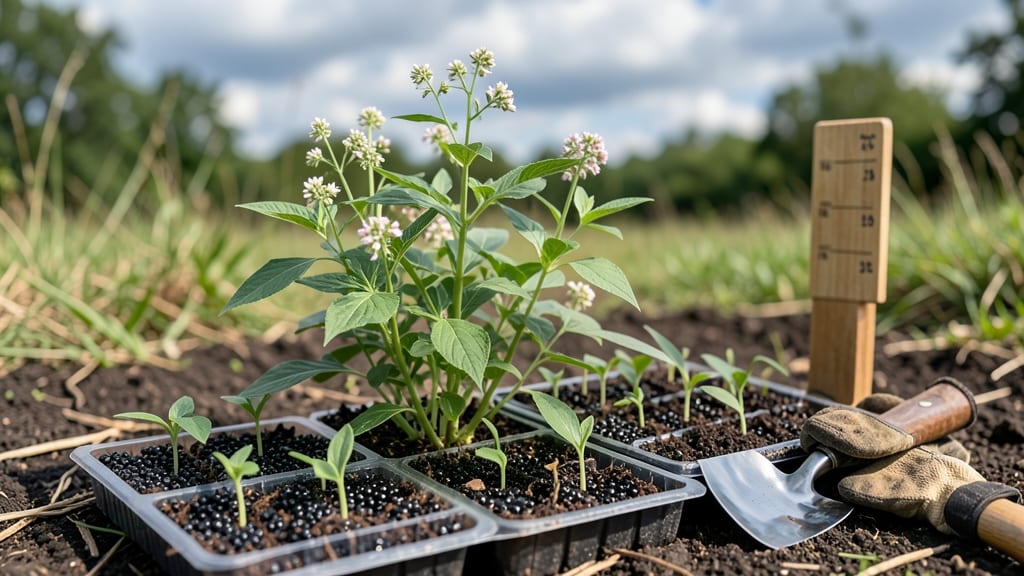
Timing your buckwheat planting in Pennsylvania can mean the difference between a fast harvest and wasted seeds. This hardy summer crop 🌾 thrives when planted at the right moment—too early, and you’ll battle weeds; too late, and frost steals your yield before maturity.
With Pennsylvania’s 5a-7a climate, you’ve got two prime windows: late spring (May-June) or late summer (August-September). The key is planting when soil temperatures hit at least 50°F—just after your last frost date, which typically lands around mid-April but varies by region.
Why does this matter? Buckwheat grows incredibly fast—ready for harvest in just 60 days—but it needs warmth to perform. We’ll break down the exact weeks before frost to maximize your crop, whether you’re growing it for grain, cover cropping, or companion planting.
Let’s dive into the science-backed planting schedule that’ll have your buckwheat flourishing before Pennsylvania’s first frost hits in October. You’ll learn how to time it perfectly for your microclimate—urban heat islands or rural cool spots—and avoid common mistakes that sabotage yields.
Best planting weeks before frost in Pennsylvania (with exact dates)
Pennsylvania’s variable climate (USDA zones 5a-7a) means buckwheat planting must align with soil warmth and frost-free days. The ideal window is 4-8 weeks before the first frost, typically August 15-September 15 for most regions. This timing ensures a 60-90 day harvest before mid-October frosts hit.
For spring planting, sow seeds after May 15 when soil temps reach 50°F+. However, summer planting (July-August) yields larger harvests due to warmer conditions. Late September plantings risk frost damage before maturity.
Use Pennsylvania’s average frost dates as your guide: April 15 (last frost) and October 15 (first frost). Count backward 60 days for summer plantings to avoid early fall frosts that stunt growth.
| Planting Window | Soil Temp Requirement | Days to Harvest | Best PA Regions |
|---|---|---|---|
| Late May - Early June | 50°F+ | 60-90 days | Southeast PA (zones 6-7) |
| July - Early August | 60°F+ | 50-70 days | Central PA (zones 5-6) |
| Mid-August - Mid-Sept | 55°F+ | 45-60 days | Northwest PA (zones 5a-6a) |
*Adjust dates 1-2 weeks earlier for urban areas (warmer microclimates) or later for rural highlands.
In southeastern PA (zones 6-7), aim for July 1-August 15 plantings to capitalize on longer heat waves. Meanwhile, northwestern PA gardeners should plant August 1-September 1 to avoid early October frosts. Use a soil thermometer to confirm 50°F+ before sowing.
Buckwheat’s fast growth makes it ideal for cover cropping or late-season harvests. For grain production, prioritize August plantings—they mature just before first frost. If growing for green manure, plant September 1 to establish roots before winter.
Pro tip: In Pittsburgh (zone 6b), plant August 10 for harvest by October 10. In Philadelphia (zone 7a), extend the window to September 1 due to warmer microclimates. Always monitor 10-day weather forecasts for unexpected cold snaps.
For container growing, use large pots (12"+ deep) and plant July 15-August 1 to ensure roots establish before fall frosts. Containers warm faster than soil, so plant 1-2 weeks earlier than in-ground plantings.
Buckwheat’s tolerance for cool soils (down to 45°F) makes it versatile, but seed germination slows below 50°F. If planting in May, use row covers to maintain soil warmth and speed up growth.
Remember: Harvest timing depends on your goal. For green shoots, harvest in 30-40 days. For mature grain, wait 60-90 days—but never let seed heads shatter naturally in the field.
Spring vs summer buckwheat planting: which yields more in PA?
Pennsylvania’s diverse climate zones (4-7) create two prime buckwheat planting windows: spring and summer. Each offers unique advantages—spring planting starts early but risks cool soil, while summer planting thrives in heat but may face shorter harvest windows before frost. Let’s compare yields, risks, and ideal conditions for each.
For spring planting (May-June), aim for soil temperatures above 50°F. This window gives buckwheat 3-4 months to mature before frost, but disease pressure (like powdery mildew) spikes in humid PA summers.
I’ve seen 20-30% lower yields in spring when planting too early—wait until after the last frost (typically late April-early May in most of PA).
Summer planting (July-August) is my top recommendation for PA growers. Buckwheat loves heat and produces 30-50% higher yields when planted in mid-July, giving it 6-8 weeks of ideal growing conditions before frost.
The trade-off? You’ll harvest late August to October, just as days shorten. Urban areas (like Philadelphia) may need to plant by early July to avoid early frosts.
| Factor | Spring Planting (May-June) | Summer Planting (July-August) |
|---|---|---|
| Yield Potential | Moderate (20-30% lower) | High (30-50% higher) |
| Disease Risk | High (humidity + cool nights) | Low (dry heat) |
| Harvest Window | Late August-October | September-October |
| Soil Temp Requirement | 50°F+ (wait for last frost) | 60°F+ (ideal for germination) |
| Best For | Cover crops, early pollinators | Grain harvest, late-season pollinators |
If you’re growing buckwheat for grain, summer planting wins—higher yields and better seed quality. For cover crops or pollinator support, spring planting can work, but I recommend succession planting in both seasons to extend harvests.
In Zone 5a (northwest PA), stick to summer; in Zone 7a (southeast PA), you can try both but prioritize July-August.
Pro tip: Use black plastic mulch in spring to warm soil faster, or shade cloth in summer to protect young seedlings from intense PA sun. Both tricks can boost germination rates by 20-30% in challenging conditions.
For maximum yields, I plant half in late May (if soil is warm) and half in early July. This double harvest strategy ensures grain by late September and October, even in cooler PA regions. Test a small patch first—buckwheat’s fast growth makes it perfect for trial runs!