
Plants
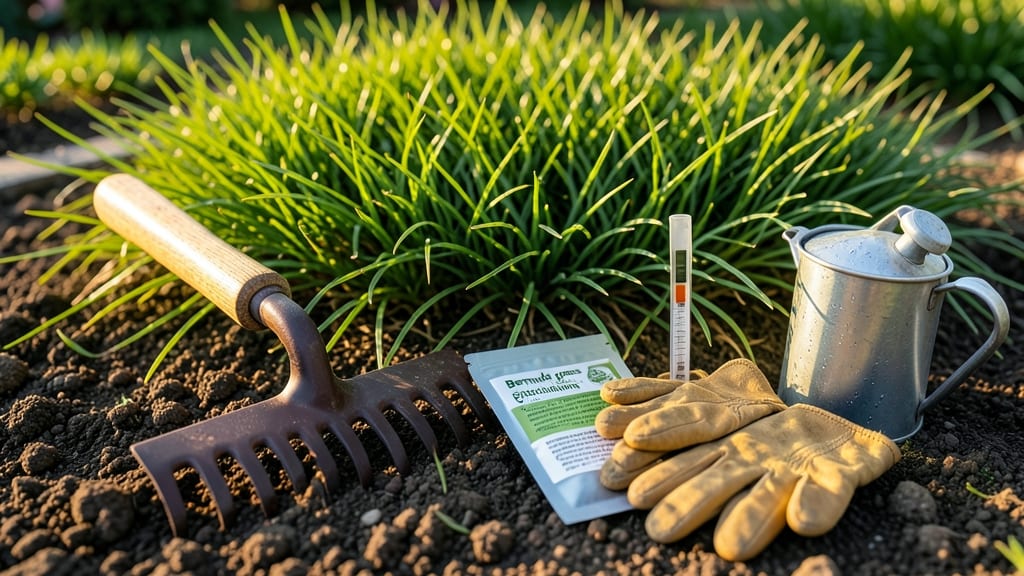
Best planting windows for Arkansas bermuda grass: heat-zone safe dates explained
Timing your bermuda grass seed planting in Arkansas is all about beating the heat and avoiding frost—late spring is your golden window. The University of Arkansas Division of Agriculture recommends planting between late April and early June when soil temperatures consistently stay above 65°F.
This ensures strong germination before summer dormancy kicks in.
Arkansas’ USDA zones 6b-8a create microclimates where northern regions (like Bentonville) can plant slightly later, while southern areas (like Little Rock) should start earlier. The key is soil warmth, not calendar dates—use a soil thermometer to confirm readiness.
Here’s the critical timeline: Plant 4-6 weeks before the first 90°F+ heatwave hits. In most of Arkansas, that means April 15 to May 15 for optimal results. Waiting too long risks summer dormancy, where seeds struggle to sprout in extreme heat.
Pro tip: If you miss spring, a late-summer replanting (mid-August) works for sod, but seed needs cooler temps—so stick to spring for best success.
🌱 Arkansas Bermuda Grass Planting Windows Compared
| Planting Window | Soil Temp Requirement | Key Deadline | Risk if Missed |
|---|---|---|---|
| Late April - Early June | 65°F+ consistently | Before 90°F heatwaves | Summer dormancy |
| Mid-August (sod only) | 70°F+ | Before Labor Day | Weak fall establishment |
| Early Spring (March) | 55°F+ | After last frost (March 15) | Frost damage |
Northern Arkansas (USDA Zone 6b) should aim for May 1 as the cutoff, while southern areas (Zone 8a) can push to June 1. Check your local frost dates—the Arkansas Climate Office provides free maps to track progress.
For fastest germination, plant when daytime highs are 75-85°F. Cooler mornings (60-65°F) prevent seed stress. If you’re in southeast Arkansas, you might even squeeze in a July planting, but expect slower results.
Rainfall is another Arkansas wild card. Plant during dry spells to avoid seed washout—aim for 0.5 inches of rain in the week after sowing. If downpours hit, use a light straw mulch to protect seeds until they sprout.
Remember: Bermuda grass is a warm-season grass, meaning it goes dormant in winter. Planting too late in summer (after August 15) risks weak roots before dormancy sets in around November 15.
For best results, pair your planting with a pre-emergent herbicide applied 2 weeks before seeding. This blocks weeds without harming your bermuda grass once it’s established. Just skip the herbicide if you’re overseeding an existing lawn.
Finally, mark your calendar for late May—that’s when you’ll see first sprouts if timed right. Patience pays off: A properly planted lawn will outcompete weeds and thrive through Arkansas’ brutal summers. ☀️🌱
Best planting windows for Arkansas bermuda grass: heat-zone safe dates explained
Arkansas’ USDA zones 6b-8a create a tricky balance for bermuda grass planting—too early risks frost damage, while late planting can leave your lawn vulnerable to summer dormancy. The ideal window is late April through early June, when soil temperatures consistently stay above 65°F and frost danger has passed.
For northern Arkansas (zone 6b), aim for mid-April to May 15 to avoid late spring frosts that can kill seedlings.
In southern Arkansas (zone 8a), you have until early June—but don’t wait too long, or your grass may struggle to establish before summer’s intense heat sets in.
A secondary planting window exists in late August to early September for Arkansas gardeners who missed the spring deadline. This gives seedlings time to germinate before fall’s cooler temperatures slow growth. Just be prepared for weed competition during this window.
| Planting Window | USDA Zone | Soil Temp Requirement | Key Consideration |
|---|---|---|---|
| Late April - Early June | 6b-8a | ≥65°F | Primary window; avoid late frosts |
| Late August - Early September | 7a-8a | ≥60°F | Secondary window; weed control critical |
Timing isn’t just about calendar months—it’s also about soil temperature. Use a soil thermometer to confirm readings before planting. In Arkansas, April soil temps can fluctuate wildly, so wait until readings stay above 65°F for 5+ days before sowing seeds.
If you’re planting in northern Arkansas, monitor the National Weather Service’s frost predictions—a late frost in May can wipe out young seedlings. For southern Arkansas, June planting is risky because summer heat stress may prevent proper germination. Always prioritize consistent warmth over pushing the season.
Pro tip: Arkansas’ clay-heavy soils retain heat longer. If your yard sits in a southern exposure, soil may warm 1-2 weeks earlier than shaded areas. Adjust your planting date accordingly to maximize your lawn’s germination success rate.