
Plants
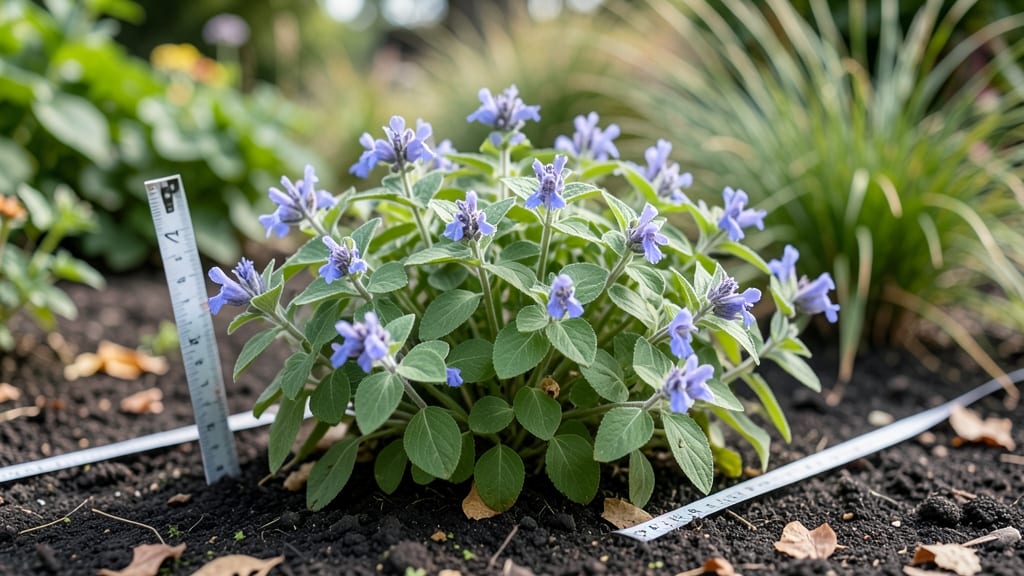
Wondering how tall does skullcap grow in your garden? This hardy perennial 🌸 can be a real surprise—some varieties stay compact, while others reach nearly waist-high, depending on where you live and how you care for it.
Native skullcap species like Scutellaria lateriflora typically grow between 1 and 2 feet, but cultivated types or those in ideal conditions can stretch up to 3 feet. The difference comes down to sunlight, soil, and even pruning habits.
If you're planting skullcap for medicinal use, taller stems are ideal for harvesting, while shorter varieties work perfectly for borders. I’ll break down the key factors that influence height—so you can grow the perfect size for your space.
Ready to get the right height? Let’s explore how to encourage the growth you want, whether it’s a neat 1-foot hedge or a lush 3-foot backdrop for your garden.


Skullcap height by species: native growth habits compared
Skullcap (Scutellaria spp.) is a versatile plant with height variations that depend entirely on the species and growing conditions. In the wild, some varieties creep along the ground, while others stand tall like small shrubs.
Understanding these differences helps you choose the right type for your garden or medicinal needs.
For example, Scutellaria lateriflora (blue skullcap) typically grows 12–24 inches tall in its native woodland habitats. Meanwhile, Scutellaria baicalensis (Chinese skullcap) can reach up to 3 feet when cultivated in optimal conditions. These differences matter if you're designing a border or harvesting leaves for tea.
🌱 Skullcap Height by Species
| Species | Native Height Range | Cultivated Height Range | Growth Habit |
|---|---|---|---|
| Scutellaria lateriflora | 12–24 inches | 18–30 inches | Upright, clumping |
| Scutellaria baicalensis | 2–3 feet | 2–4 feet | Tall, bushy |
| Scutellaria galericulata | 6–12 inches | 8–18 inches | Creeping, spreading |
| Scutellaria incana | 1–2 feet | 1.5–3 feet | Semi-upright |
Regional climate plays a surprising role in skullcap height. In cooler, northern USDA zones (3–5), skullcap often stays shorter—12–18 inches—due to slower growth. Conversely, in warmer zones (7–9), varieties like Scutellaria baicalensis can stretch toward 3–4 feet if given enough sunlight and nutrients.
This is why your local nursery’s plants might look different from wild specimens.
Another factor is whether skullcap is grown as a perennial or annual. Most species are perennials, meaning they return year after year and gradually increase in height. For instance, a first-year plant might only reach 6–12 inches, while a mature 3-year-old can easily hit 2–3 feet.
This progression is key if you're planning a long-term garden layout.
For medicinal gardeners, the height of Scutellaria lateriflora is particularly important because taller stems yield more dried leaves for tea. However, if you're using it as a ground cover in shady areas, shorter varieties like Scutellaria galericulata are ideal.
The same plant can serve multiple purposes depending on how you manage its growth.
Soil quality also influences height. Skullcap thrives in well-draining, slightly acidic soil (pH 6.0–7.0). If your soil is clay-heavy or alkaline, roots struggle to absorb nutrients, resulting in stunted growth—sometimes as short as 6 inches.
Amending soil with compost or peat moss can boost height by 20–30% in just one growing season.
Light exposure is another critical factor. While skullcap tolerates partial shade, it reaches its maximum height in 4–6 hours of morning sun. In full shade, expect growth to be 30–50% shorter than its potential.
This is why woodland varieties like Scutellaria lateriflora stay compact in the wild but can grow taller in garden beds with filtered sunlight.
If you're growing skullcap in containers, height will naturally be limited by pot size. A 5-gallon container might restrict growth to 12–18 inches, while a 15-gallon pot allows roots to spread, encouraging heights of 2–3 feet. This is useful for urban gardeners or those with limited space.
Finally, pruning habits can dramatically alter height. Regular deadheading (removing spent flowers) encourages bushier growth, while hard pruning in early spring can reset height to 6–12 inches. This technique is perfect for keeping skullcap in check for borders or edging.
Skullcap height by species: native growth habits compared
Skullcap (Scutellaria spp.) height varies dramatically between species and growing conditions. Native varieties like Scutellaria lateriflora (American skullcap) typically reach 12 to 24 inches, while Scutellaria baicalensis (Chinese skullcap) can grow up to 3 feet in ideal settings.
Understanding these differences helps you choose the right type for your garden needs.
Wild skullcap often stays shorter—around 1 to 1.5 feet—because it competes for sunlight and nutrients in natural habitats. In cultivated gardens, however, the same species can grow 25% taller with proper care, like well-draining soil and regular pruning.
Here’s how three common skullcap species compare in height and growth habits:
| Species | Native Height Range | Cultivated Height | Growth Habit |
|---|---|---|---|
| Scutellaria lateriflora | 12–24" | 24–36" | Upright, clumping |
| Scutellaria baicalensis | 18–30" | 30–36" | Bushy, spreading |
| Scutellaria galericulata | 6–12" | 12–18" | Creeping, low-growing |
Regional climate also plays a role. In cooler USDA zones (3–5), skullcap often stays shorter due to shorter growing seasons, while warmer zones (7–9) can support taller growth with extended sunlight exposure.
If you’re growing skullcap for medicinal purposes, taller varieties like Scutellaria baicalensis are ideal for harvesting long stems. For ornamental borders, shorter types like Scutellaria galericulata create neat, low-maintenance edges.
Pro tip: Container-grown skullcap will naturally stay 20–30% shorter than in-ground plants due to root restriction. Choose larger pots (at least 12 inches deep) to encourage fuller growth.