
Size
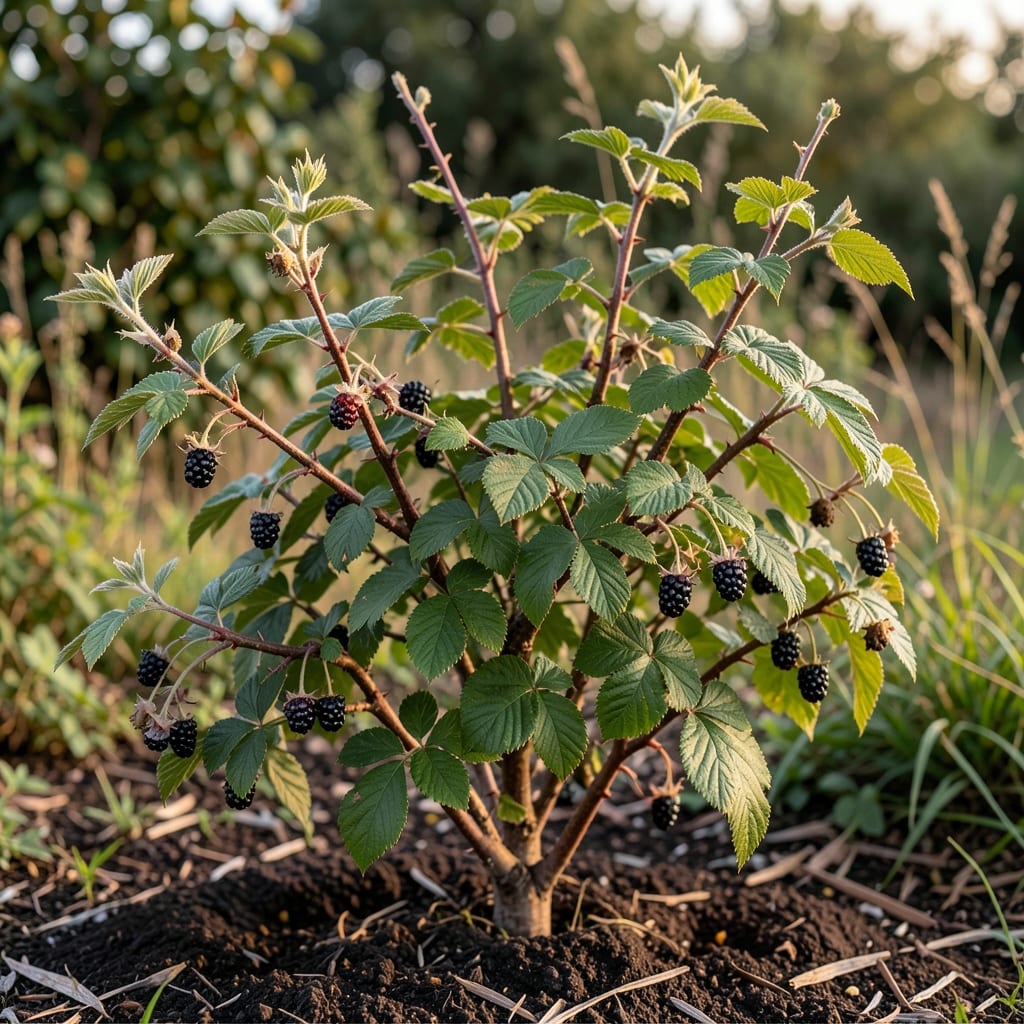
If you're planning a blackberry 🫐 patch but worried about it turning into an unruly jungle, here's the truth: these bushes can grow anywhere from 4 to 12 feet tall depending on the variety—some stay manageable while others reach towering heights. The difference between a compact shrub and a sprawling vine often comes down to the type of blackberry you choose and how you care for it.
Wild blackberries tend to be shorter and bushier, rarely exceeding 6 feet, while cultivated varieties—especially those bred for commercial use—can stretch up to 12 feet or more without proper support. This variation isn’t just about aesthetics; it directly impacts how much fruit you’ll harvest and how much space you’ll need to dedicate to your garden.
Whether you're working with limited space or dreaming of a bountiful harvest, understanding these growth patterns is the first step to success. I’ll break down the key factors that influence height, from pruning techniques to trellising strategies, so you can tailor your blackberry patch to your exact needs—whether that means keeping it compact or letting it grow wild.
The right approach can mean the difference between a manageable 5-foot bush and one that sprawls uncontrollably. Let’s dive into what you need to know to get the perfect height for your garden.


Blackberry bush height variations: native vs cultivated varieties explained
The height of your blackberry bushes can vary dramatically depending on whether you're working with native wild types or cultivated varieties. Wild blackberries, like those found in forests or along fences, typically stay between 4 to 6 feet tall, forming dense, bushy plants that spread horizontally. These varieties rely on their natural resilience to thrive with minimal care, but their height rarely becomes a problem in smaller gardens.
In contrast, cultivated blackberries—especially those bred for commercial production—can reach 8 to 12 feet tall or even taller if left unchecked. These varieties often produce longer canes and require more aggressive training to control their growth. The key difference lies in their genetic makeup: cultivated types prioritize fruit production and yield, which often comes at the cost of unruly height if not managed properly.
Here’s how the two types compare in terms of height and growth habits, so you can choose the right fit for your space and goals:
| Type | Average Height | Growth Habit | Thorns | Best For |
|---|---|---|---|---|
| Wild (Native) | 4–6 ft | Bushy, sprawling | Yes (sharp) | Wild areas, minimal care |
| Cultivated (Thorned) | 8–12 ft | Tall, vigorous canes | Yes (moderate) | High yield, larger gardens |
| Cultivated (Thornless) | 6–10 ft | Tall, upright canes | No | Home gardens, easy harvest |
| Dwarf Varieties | 3–5 ft | Compact, bushy | Yes or No | Containers, small spaces |
One of the biggest factors influencing height is whether your blackberries are primocane or floricane producing. Primocane varieties, like 'Prime-Ark Freedom', produce fruit on the current season’s growth (the primocanes), which can lead to taller, more vigorous plants if not pruned. Floricane varieties, such as 'Triple Crown', bear fruit on second-year canes (floricanes) and tend to be slightly more manageable in height.
Environmental factors also play a role. Blackberries planted in rich, well-draining soil with plenty of sunlight will grow taller and more vigorously than those in poor soil or shade. If your garden has limited sunlight, expect your bushes to stay shorter but may also produce fewer berries. Conversely, in ideal conditions, some varieties can reach 15 feet or more if left completely unchecked.
Another critical consideration is whether your blackberries are trailing or erect in growth habit. Trailing types, like 'Chester', spread outward and upward, often requiring trellises to control their height. Erect varieties, such as 'Natchez', grow more upright and are easier to manage in smaller spaces. Understanding these growth patterns helps you plan your garden layout and choose the right support structures.
For those with limited space, dwarf varieties are a game-changer. These cultivars are specifically bred to stay between 3 and 5 feet tall, making them perfect for containers, small urban gardens, or even balcony setups. Varieties like 'Arapaho' or 'Ozark Beauty' deliver high yields without the sprawl, proving that you don’t need a large plot to enjoy fresh blackberries.
If you’re torn between wild and cultivated types, consider your priorities: wild blackberries offer low-maintenance growth but may yield fewer berries, while cultivated varieties demand more care but reward you with bigger harvests. For most home gardeners, a thornless cultivated variety strikes the best balance between manageable height and abundant fruit.
🌱
Blackberry bush height variations: native vs cultivated varieties explained
Blackberry bushes exhibit striking height variations depending on whether they're native or cultivated. Wild blackberries, like the northern blackberry, typically stay between 4 to 6 feet tall, forming dense, thorny thickets that spread horizontally. These semi-wild varieties thrive in USDA Zones 4-8 and require minimal care, making them ideal for wildlife-friendly gardens or natural landscapes.
In contrast, commercial blackberry varieties—especially those bred for high-yield fruit production—can reach 8 to 12 feet tall. Cultivars like Cheyenne or Natchez grow aggressively upward, often requiring trellising or support to prevent sprawling. The key difference lies in their genetic breeding: wild types prioritize survival, while cultivated ones focus on fruit size and sweetness.
🌱
Another critical factor is the growth rate of blackberry bushes. In their first year, canes grow 2 to 4 feet tall, while mature bushes can add 3 to 5 feet annually if unchecked. This rapid growth explains why pruning and trellising are non-negotiable for managing height—especially in small gardens where space is limited.
For example, the Apache variety—a popular thornless blackberry—typically reaches 6 to 8 feet but can be pruned to stay under 5 feet for container growing. Meanwhile, Chester, a classic thorned variety, often exceeds 10 feet without support, making it better suited for rural or large-scale plantings.
Environmental factors like sunlight exposure and soil quality also play a role. Blackberries grown in full sun (6+ hours daily) tend to grow taller and produce more canes, while those in partial shade may stay shorter but yield smaller fruit. Poor soil drainage can stunt growth, while rich, well-draining soil encourages vigorous height increases.
Understanding these variations helps you choose the right variety for your space and goals. Whether you prioritize easy harvesting, minimal maintenance, or maximum yield, selecting the correct blackberry type is the first step to controlling height—and avoiding a 12-foot monster in your backyard! 🌿