
How To
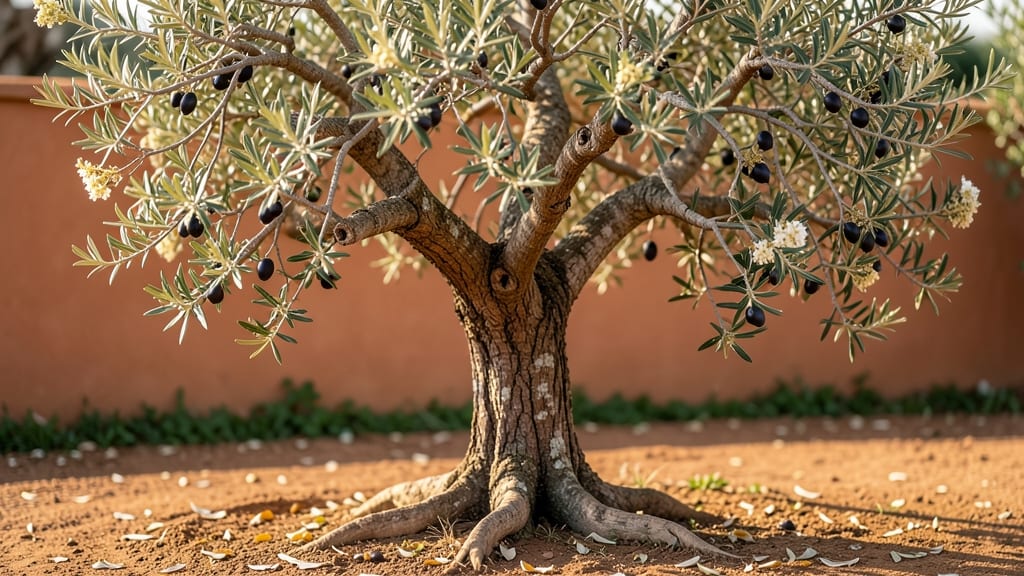
If you're dreaming of growing your own 🫒 olive tree but wondering how tall an olive tree can grow, the answer might surprise you.
The height of an olive tree can range from a manageable 8 feet for dwarf varieties to an impressive 50 feet for mature giants—depending entirely on the type you choose and how you care for it.
Picture this: a sun-drenched backyard where a towering olive tree stands as both a stunning centerpiece and a productive food source. But before you commit, you’ll want to know which varieties stay compact enough for containers or small gardens, and which ones need room to stretch their branches skyward.
In this guide, I’ll break down the exact heights of popular olive tree varieties—from the petite Arbequina to the grand Frantoio—and share the pruning secrets that can keep even the tallest trees under control.
Whether you’re a first-time gardener or a seasoned green thumb, you’ll find out how to nurture an olive tree that fits your space and your vision.
Ready to transform your outdoor space into an olive grove? Let’s dive into the details so you can choose the perfect tree—and the perfect height—for your growing goals.


Olive tree height by variety: from dwarf to giant species
Olive trees (Olea europaea) are incredibly versatile, with heights ranging from container-friendly dwarfs to ancient giants that dwarf two-story homes. The variety you choose determines your tree's ultimate height, making it the #1 factor in planning your landscape.
Whether you dream of a patio-sized olive tree or a shade-providing giant, understanding these differences will help you select the perfect cultivar for your space.
Dwarf varieties like Arbequina and Little Ollie top out at 8-12 feet, making them ideal for urban gardens and large containers. These compact trees produce abundant olives while requiring minimal space—perfect for small backyards or even balconies with proper support.
Their slow growth also means less frequent pruning, saving you time and effort in the long run.
Standard varieties such as Frantoio and Mission grow 20-50 feet tall at maturity, creating dramatic focal points in Mediterranean-style gardens. These trees thrive in rural settings with ample room to spread their silver-green foliage and develop their iconic gnarled trunks.
Their height makes them excellent for privacy screens or shade trees in large properties.
Ancient olive trees, some over 1,000 years old, can reach stunning heights of 50+ feet with massive canopies. While these are rare in home gardens, they offer a glimpse into the timeless beauty of olive trees.
Even younger specimens of these varieties grow 3-5 feet per year under ideal conditions, so plan accordingly if you're aiming for a historic look.
🌱 Olive Tree Height Comparison
| Variety | Mature Height | Growth Rate | Best For |
|---|---|---|---|
| Arbequina | 8-12 ft | Slow (1-2 ft/year) | Containers, small yards |
| Little Ollie | 6-8 ft | Very slow (6-12 in/year) | Patios, urban gardens |
| Frantoio | 20-40 ft | Moderate (2-3 ft/year) | Large gardens, shade |
| Mission | 25-50 ft | Fast (3-5 ft/year) | Rural properties, privacy |
| Ancient Varieties | 50+ ft | Very fast (young) | Historic landscapes |
🌿 Note: Height varies with pruning and climate—coastal areas often produce taller trees.
If you're growing olive trees in containers, even standard varieties can be kept smaller through regular pruning and root restriction. For example, a Mission olive tree in a 20-gallon pot might max out at 10-12 feet with consistent maintenance.
This makes them surprisingly adaptable for balconies or rooftop gardens in warm climates like California or Florida.
For fastest growth, prioritize full sun exposure (6+ hours daily) and well-draining soil. Olive trees in Mediterranean climates (USDA Zones 8-10) grow 2-3 times faster than those in cooler zones.
In Zone 7 or colder, expect slower growth unless you use microclimates (like south-facing walls) or container growing for protection.
Pro tip: Dwarf varieties like Arbequina produce just as many olives as larger trees when properly cared for. Their compact size means easier harvesting and less maintenance, making them a favorite among home growers.
Plus, their smaller root systems make them ideal for drought-prone areas where water conservation is key.
Before planting, measure your space and consider future growth. A 10-foot tree today could be 20 feet tall in a decade if unpruned. Always leave extra room for branches to spread—olive trees develop wide canopies that need 10-15 feet of clearance from structures or other plants.
🌳 Whether you choose a tiny patio tree or a towering shade provider, olive trees offer endless possibilities for your garden. Their adaptability means you can enjoy their fragrant flowers, silvery leaves, and delicious fruit—no matter the size of your space.
How pruning affects olive tree height: techniques for controlling growth
Pruning is the single most effective way to control the height of your olive tree. Without regular pruning, even dwarf varieties can grow taller than expected, while unpruned standard trees may reach their 50-foot ceiling far faster than anticipated.
The key lies in timing, technique, and understanding how olive trees respond to cuts.
Olive trees naturally grow in a pyramidal shape, with the strongest growth occurring at the tips of branches. By strategically removing these tips during dormant season (late winter), you encourage bushier growth and prevent vertical sprawl.
For container-grown trees, pruning can keep heights under 8 feet even for standard varieties.
Here’s how pruning impacts height differently based on when and how you cut:
⚠️ Pruning Mistakes That Stunt or Overgrow Your Olive Tree
- Over-pruning in spring – Removes too much foliage, stressing the tree and slowing growth.
- Cutting too close to trunk – Damages the vascular system, leading to weak regrowth.
- Ignoring dead branches – Allows disease to spread, reducing overall tree vigor.
- Pruning after harvest – Weakens the tree’s ability to recover before winter.
For height control, focus on heading cuts—trimming just above a leaf node or bud. This encourages lateral branches to form, creating a fuller, more compact tree.
In Mediterranean climates, prune twice yearly: once in late winter (before new growth) and again in early summer (to shape and remove water sprouts).
If you’re growing an olive tree for olive production, avoid heavy pruning that removes too many fruit-bearing branches. Instead, use selective thinning to maintain an open canopy while keeping the tree at your desired height.
For example, a 12-foot semi-dwarf can easily produce olives if pruned to remove only 10-15% of its canopy annually.
Always use sterilized pruning tools to prevent bacterial infections like verticillium wilt, which can weaken the tree and affect its growth pattern. After pruning, apply a wound sealant to larger cuts (over 1 inch in diameter) to protect the tree from pests and disease.
With consistent pruning, even a standard olive tree can be kept under 20 feet—ideal for suburban backyards. The key is patience and precision. Start with light pruning in the first year and gradually adjust based on the tree’s response.