
Trees
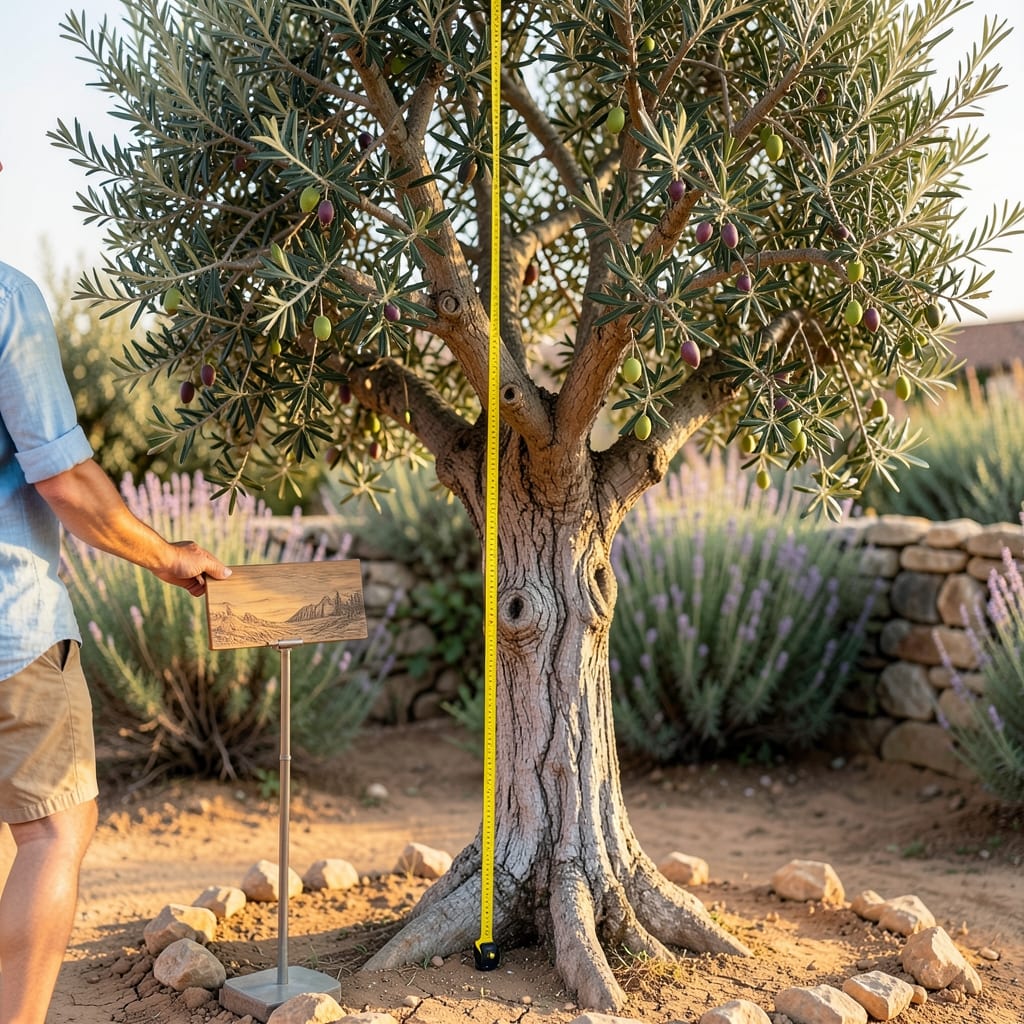
If you’ve ever wondered how tall can olive trees grow, the answer might surprise you—these Mediterranean stalwarts can stretch from tiny 8-foot dwarf varieties to towering 50-foot giants, depending on the type and care you provide. Picture a 🫒 olive tree reaching higher than your house or fitting snugly on a balcony, all thanks to the right variety and pruning techniques.
The secret lies in the olive tree’s incredible adaptability. Mediterranean climates are ideal, but even in zones 8-10, you can control their height with strategic pruning or by choosing a compact cultivar like 'Arbequina.' Meanwhile, traditional varieties like 'Frantoio' will naturally grow tall, making them perfect for sprawling landscapes.
Whether you’re dreaming of a patio-friendly shrub or a grand backyard centerpiece, understanding these growth patterns is key. I’ll break down how to pick the right size for your space and the simple steps to keep your olive tree thriving—no matter how tall (or short) you want it to be.
Ready to transform your yard or balcony into an olive grove? Let’s explore the varieties and techniques that will help you achieve the perfect height for your 🫒 olive tree—without compromising its beauty or productivity.


Olive tree height variations by variety: dwarf to giant sizes
Olive trees (Olea europaea) are incredibly versatile, with mature heights ranging from 8 feet for dwarf varieties to 50 feet for traditional giants. The key to controlling their size lies in selecting the right cultivar and understanding their natural growth patterns. For example, the Arbequina variety typically stays between 8-15 feet, making it ideal for containers or small yards, while Frantoio can soar to 30-50 feet in optimal conditions.
Your choice of olive tree variety directly impacts not only height but also fruit production, cold hardiness, and maintenance needs. Dwarf varieties like Little Ollie or Arbequina are perfect for balconies or patios, while semi-dwarf types such as Leccino (15-25 feet) offer a middle ground for medium-sized gardens. Meanwhile, traditional varieties like Manzanillo or Mission will naturally grow into tall, majestic trees if left unpruned.
Here’s a quick look at how olive tree heights break down by category, including their ideal spacing and growth rates to help you plan your garden layout:
The growth rate of olive trees varies by variety and climate, but most take 3–5 years to reach maturity and produce fruit. Dwarf varieties like Arbequina grow slowly, gaining only 1–2 feet per year, while standard types like Frantoio can shoot up 3–5 feet annually in ideal conditions. This means a 10-foot Arbequina might take 5–7 years to reach maturity, while a 40-foot Manzanillo could hit that height in just 8–10 years.
If you’re planting multiple olive trees, spacing is critical to ensure they have room to grow without crowding. Dwarf varieties need 6–8 feet of space, while standard trees require 15–25 feet to avoid competition for sunlight and nutrients. In smaller spaces, consider espaliering—training the tree to grow flat against a wall or fence, which can reduce its footprint by 50% while maintaining fruit production.
Another factor influencing height is climate. Olive trees thrive in USDA zones 8–10, where they can grow tall and robust. In cooler zones (7 or below), even dwarf varieties may struggle to reach their full potential due to winter dieback. If you live in a colder region, choose cold-hardy varieties like Arbequina or Frantoio and provide winter protection (e.g., burlap wraps, mulch) to encourage healthy growth.
For those with limited space, container-growing is a fantastic option. Dwarf olive trees like Little Ollie or Arbequina can thrive in 15–25 gallon pots, provided they’re repotted every 2–3 years and given well-draining soil. Just remember: potted olive trees will never grow as tall as their in-ground counterparts, but they’ll still produce abundant fruit and add Mediterranean charm to your patio.
Finally, don’t forget that pruning plays a huge role in controlling height. Even standard varieties can be kept smaller with regular pruning, while dwarf trees can be encouraged to grow taller by removing lower branches to promote upward growth. I’ll cover pruning techniques in detail in the next section, but for now, know that consistent pruning is the secret to shaping your olive tree to fit your space perfectly.
Whether you’re aiming for a towering giant or a compact patio tree, choosing the right olive tree variety and giving it the care it needs will ensure your tree reaches its full potential—without taking over your garden 🌳.
Olive tree height variations by variety: dwarf to giant sizes
Olive trees (Olea europaea) are incredibly versatile, with mature heights ranging from compact 8-foot shrubs to majestic 50-foot giants. The key to achieving your desired size lies in selecting the right variety and understanding their natural growth patterns. For example, the Arbequina variety typically stays between 8-15 feet, making it ideal for containers or small gardens, while traditional Frantoio trees can soar to 40-50 feet in perfect conditions.
Your climate zone also plays a role—USDA zones 8-10 are ideal, but even in cooler areas, dwarf varieties thrive with proper care. The table below breaks down the most popular olive tree sizes, helping you visualize which fits your space best. Whether you’re planning a balcony grove or a backyard centerpiece, these varieties offer something for every gardener.
If you’re growing olive trees in containers, even standard varieties like Frantoio can be kept smaller with regular root pruning and container size limits. A 15-gallon pot will naturally restrict growth to 10-15 feet, while 5-gallon pots can keep dwarf varieties like Arbequina under 6 feet. Just remember: smaller pots mean more frequent watering to prevent root stress.
For those with large properties, traditional varieties like Frantoio or Mission will reward you with abundant fruit and shade—but they’ll need 20+ feet of space to thrive. Plant them 15-20 feet apart to allow airflow and prevent disease. In windy coastal areas, staking young trees is a must to support their rapid vertical growth.
One surprising fact: olive trees grow slowly in their early years but accelerate after 3-5 years. A 5-year-old Arbequina might only be 6 feet tall, while the same Frantoio could reach 12 feet. Patience is key—these trees are built for longevity, often living for centuries with proper care. Whether you choose a dwarf for your patio or a giant for your garden, your olive tree will become a timeless focal point.
🌿