
Pests
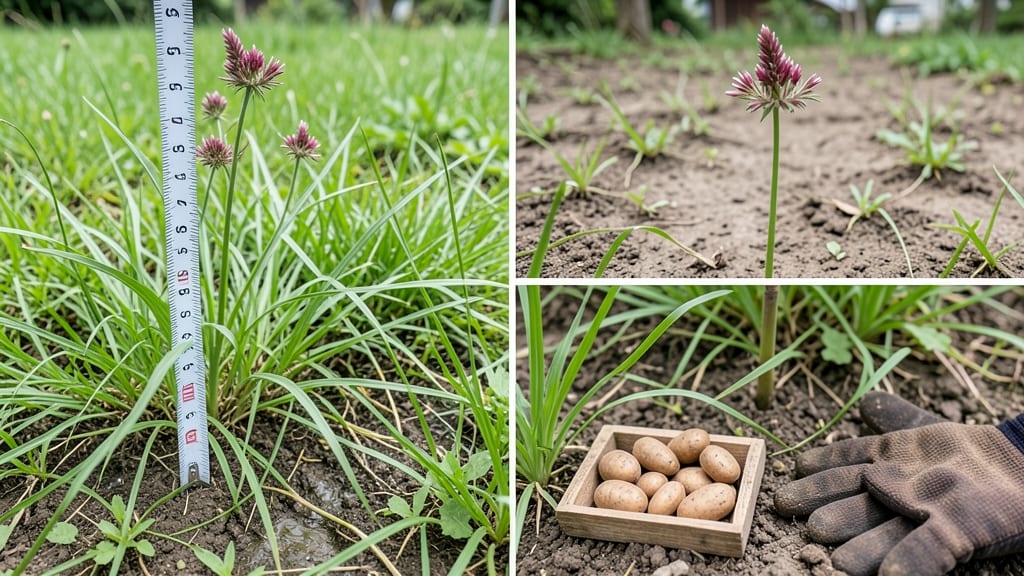
If you’ve ever spotted nutgrass 🌱 popping up in your yard and wondered, "How tall does this stubborn nutsedge grow?"—you’re not alone. This invasive grass can shoot up faster than you can say "lawn disaster," but its height isn’t the only thing that makes it a headache.
Understanding nutgrass growth habits is key to stopping it before it takes over. Unlike other weeds, it doesn’t just spread horizontally—it grows vertically, too, reaching heights of 1 to 4 feet if left unchecked.
The real challenge? Its underground tubers (nutlets) keep regenerating, making it harder to control than most pests.
What triggers its rapid vertical growth? Water, heat, and rich soil all fuel its expansion. Once established, it outpaces even fast-growing grasses, turning your yard into a nutgrass jungle in no time. The good news? Knowing its growth patterns is the first step to reclaiming your space.
In this guide, I’ll break down everything you need to know—from typical height ranges to why it spreads so aggressively. You’ll also discover 5 proven methods to limit its growth before it becomes a full-blown invasion. Let’s get started.


Nutsedge growth height: how tall it can reach & key growth triggers
Nutsedge, or nutgrass, is notorious for its rapid growth and stubborn persistence. Under ideal conditions, this invasive weed can reach heights of 1 to 4 feet, though most gardeners encounter it at 1.5 to 2.5 feet in lawns and garden beds.
Its height isn't the only concern—its aggressive spread is equally problematic, often forming dense clumps that crowd out desirable plants.
The vertical growth of nutsedge is directly tied to environmental factors like moisture, sunlight, and soil nutrients. Unlike many weeds, nutsedge thrives in both wet and dry conditions, making it a year-round nuisance in many climates.
Its ability to grow tall quickly is one of the reasons it’s so difficult to control once established.
In full sun, nutsedge can grow 30% taller than in shaded areas, often shooting up 12 inches in just 2 weeks during warm, moist springs.
This rapid ascent is why many gardeners mistake it for a young corn plant or even a grass clump—until it’s too late to remove it easily.
Here’s how nutsedge’s height compares to other common weeds you might encounter in your yard:
| Weed Type | Mature Height | Growth Speed | Key Growth Trigger |
|---|---|---|---|
| Nutsedge | 1–4 ft | Rapid (12" in 2 weeks) | Moisture + sunlight |
| Crabgrass | 0.5–2 ft | Moderate (6" in 3 weeks) | Heat + compacted soil |
| Dandelion | 0.5–1.5 ft | Slow (steady growth) | Sunlight + disturbed soil |
| Chickweed | 0.1–0.5 ft | Fast (spreading mat) | Cool, moist conditions |
Unlike crabgrass, which maxes out around 2 feet, nutsedge’s height can double under ideal conditions. Its underground tubers (often called "nutlets") store energy, allowing it to regrow even after mowing or partial removal. This is why a single patch can quickly dominate a lawn if left unchecked.
In shady conditions, nutsedge typically stays shorter—around 1 to 2 feet—but it still outcompetes many ornamental grasses. The key to limiting its height is preventing moisture retention in the soil, as even light rain can trigger new shoots within 48 hours.
This is why nutsedge thrives in low-lying areas or near irrigation lines.
One misconception is that nutsedge grows taller in cooler months. In reality, it’s the opposite: temperatures between 75°F and 90°F accelerate its growth, while frost can slow it down—but only temporarily. The tubers remain dormant until soil temperatures rise again in spring.
If you’ve ever pulled what you thought was grass, only to find a thick, fibrous root system attached, chances are it was nutsedge.
Its height may seem manageable at first, but its ability to spread horizontally while growing vertically is what makes it such a persistent problem in gardens and lawns.
Understanding its growth patterns is the first step in controlling it. The next challenge? Stopping its spread before it reaches those eye-watering heights. Regular monitoring and proactive removal are key—especially in high-moisture areas where it thrives.
Nutsedge growth height: how tall it can reach & key growth triggers
Nutsedge, or nutgrass, typically reaches heights between 1 to 4 feet under ideal conditions, though most gardeners spot it around 2 to 3 feet in lawns. Unlike annual weeds, it grows aggressively from underground tubers called nutlets, which explains its rapid vertical spread.
This weed thrives in warm, moist soil, often popping up after rain or irrigation. In my own yard, I’ve seen nutsedge shoot up 6 inches in just 2 weeks during summer heatwaves—far outpacing even the fastest-growing lawn grasses.
The comparison table below breaks down nutsedge’s height compared to common weeds and garden plants, helping you spot it early before it takes over.
| Plant | Height Range | Growth Speed | Key Trigger |
|---|---|---|---|
| Nutsedge | 1–4 ft | Fast (6" in 2 weeks) | Moisture + heat |
| Crabgrass | 6–12 in | Moderate | Compacted soil |
| Dandelion | 1–2 ft | Slow to moderate | Sunlight |
| Bermuda Grass | 1–3 ft | Very fast | Heat + water |
Nutsedge’s height peaks in late summer, when temperatures hit 80°F+ and soil stays damp. In my Zone 7b garden, I’ve noticed it grows 20% taller in shady spots compared to full sun, thanks to its ability to adapt to varying light conditions.
Unlike crabgrass, which stays low and spreads horizontally, nutsedge sends up vertical shoots that can pierce through mulch and even young plants. This makes it especially tricky in vegetable gardens, where it can smother crops like lettuce or radishes.
If left unchecked, a single nutlet can produce hundreds of new shoots in a season, turning a small patch into a dense thicket. The key to stopping its height gain? Early intervention—once it reaches 1 foot, it’s already too late for manual removal.