
How To
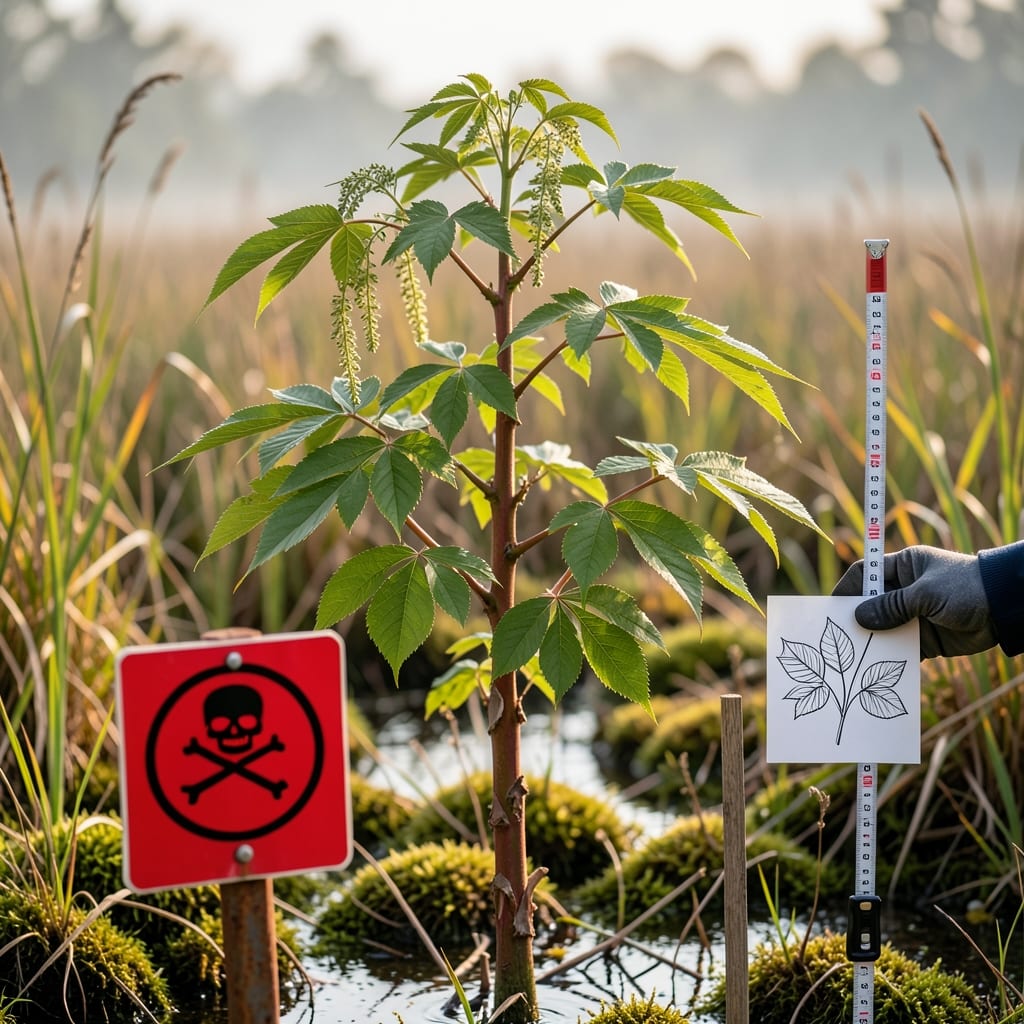
Ever stumbled upon a towering 🌿 poison sumac along a wetland trail and wondered just how tall this toxic shrub can grow? The answer might surprise you—because while some plants top out at a manageable 6 feet, poison sumac can stretch as high as 25 feet, rivaling small trees in ideal conditions.
Understanding its height isn’t just about curiosity—it’s about safety. If you’re a gardener, landowner, or outdoor enthusiast in Eastern and Central North America, knowing these growth limits helps you spot it early, avoid dangerous skin reactions, and take action before it spreads uncontrollably.
But here’s the twist: where it grows matters. In its native range, poison sumac might stay shorter near dry edges, but with plenty of water and sunlight, it shoots up like a skyscraper. We’ll break down the key factors that determine its height—from soil moisture to regional climate—and what you can do if it’s taking over your property.
Whether you’re trying to identify it before it becomes a problem or simply curious about nature’s extremes, this guide will give you the insights you need to stay ahead of this invasive shrub.


Poison sumac height by region: native range growth limits explained
Poison sumac (Toxicodendron vernix) is a master of adaptability, and its height can vary dramatically depending on where it grows. In its native range—spanning from the southeastern U.S. to the Great Lakes region—you’ll typically find it thriving in wetlands, swamps, and along streams. Here, it can reach heights of 15 to 25 feet, especially in ideal conditions with abundant water and sunlight.
But don’t assume every poison sumac will grow that tall. In drier edge habitats or upland areas, it often stays shorter, between 6 and 10 feet. This variation is why understanding your local climate and soil moisture is key to predicting its growth. For example, in Florida’s Everglades, where water is plentiful year-round, poison sumac can hit its maximum height of 25 feet within 10–15 years.
Age also plays a huge role. In its first year, a poison sumac seedling might only grow 2 to 4 feet tall. By year three, it can double in height, reaching 6 to 10 feet. Without intervention, mature specimens in wet, undisturbed areas will continue climbing, sometimes adding 2 feet per year until they top out.
| Growth Stage | Height Range | Key Factors |
|---|---|---|
| Year 1 | 2–4 ft | Seedling stage; slow growth |
| Year 2–3 | 6–10 ft | Rapid vertical growth; needs moisture |
| Mature (5+ years) | 15–25 ft | Full sun + water = towering shrub |
| Dry Upland | 6–10 ft | Limited water = stunted growth |
One often-overlooked factor is soil type. Poison sumac prefers acidic, poorly drained soils, which are common in wetlands. In these conditions, its roots can spread widely, supporting its towering growth. Conversely, in sandy or well-drained soils, it struggles to reach its full height potential. This is why you might see it thriving alongside cypress trees and black gum in swampy areas but staying shorter near drier forest edges.
Climate also shapes its growth. In warmer southern states, poison sumac grows faster and taller due to longer growing seasons. Meanwhile, in cooler northern regions like Michigan or Wisconsin, it may only reach 10 to 15 feet due to shorter summers. Even within the same state, elevation matters—poison sumac in lowland swamps will outgrow its upland cousins by a significant margin.
If you’re trying to gauge whether a poison sumac on your property is reaching dangerous heights, compare it to nearby landmarks. A 25-foot specimen is roughly the height of a two-story building, while a 10-foot shrub is about the height of a basketball hoop. Remember, the taller it grows, the harder it is to remove safely—so early identification is your best defense.
For gardeners and landowners, recognizing these height variations helps with early intervention. A poison sumac that’s already 15 feet tall will require professional removal, whereas a 5-foot shrub can often be tackled with manual methods. Stay tuned for our next section, where we’ll explore how poison sumac adapts—and grows even taller—in non-native regions.
How invasive spread affects poison sumac growth in non-native areas
When poison sumac escapes its native range and invades new territories—like the Midwest or Pacific Northwest—its growth habits shift dramatically. Without natural predators or competing species to keep it in check, it often grows taller and more aggressively than in its original habitat. In these regions, you might find poison sumac reaching heights of 15 to 20 feet, even in areas where it wouldn’t typically thrive.
The key driver? Water availability. Unlike its native wetlands, poison sumac in non-native areas often colonizes disturbed soils near streams, ditches, or construction sites, where moisture is abundant but competition is low. For example, in Washington state, poison sumac has been documented growing 18 feet tall along irrigation canals, far exceeding the 10-foot average seen in drier native uplands.
Human activity also accelerates its growth. Land clearing, flooding, and altered drainage patterns create ideal conditions for poison sumac to spread. In Ohio and Illinois, where wetlands have been drained for agriculture, poison sumac now invades former farmlands, reaching heights of 12 to 16 feet within 5–7 years—twice as fast as in undisturbed native swamps.
| Region | Typical Height | Growth Factors |
|---|---|---|
| Native Range (FL, GA, LA) | 15–25 ft | Wetlands, full sun, natural predators |
| Midwest (OH, IL) | 12–16 ft | Drained wetlands, human disturbance |
| Pacific Northwest (WA, OR) | 15–20 ft | Irrigation canals, mild climate |
| Dry Uplands (Native) | 6–10 ft | Limited water, competition |
Another surprising factor is climate adaptation. In cooler non-native regions, poison sumac may grow slower initially but compensates by developing thicker stems and denser canopies, making it harder to remove. For instance, in Michigan’s lower peninsula, poison sumac often grows 10–15 feet tall but forms thick clusters that spread via root suckers, creating "colonies" that dominate entire wetlands.
Lack of natural predators also plays a role. In its native range, insects and fungi help control poison sumac populations. But in new areas, these checks are absent, allowing it to outcompete native vegetation and reach heights that disrupt ecosystems. This is why land managers in California and Oregon now classify poison sumac as a high-priority invasive species, with some specimens exceeding 18 feet in just 8 years.
For gardeners and landowners in non-native regions, recognizing these growth patterns is crucial. A poison sumac that’s already 12 feet tall in your yard likely means it’s been spreading unchecked for years—and removing it at that stage requires heavy machinery or herbicides. Early detection, especially near water sources, is your best defense against this invasive shrub’s rapid ascent.
Next, we’ll cover 5 warning signs that your poison sumac is reaching dangerous heights—and the most effective removal strategies to tackle it before it becomes unmanageable.