
Shrubs
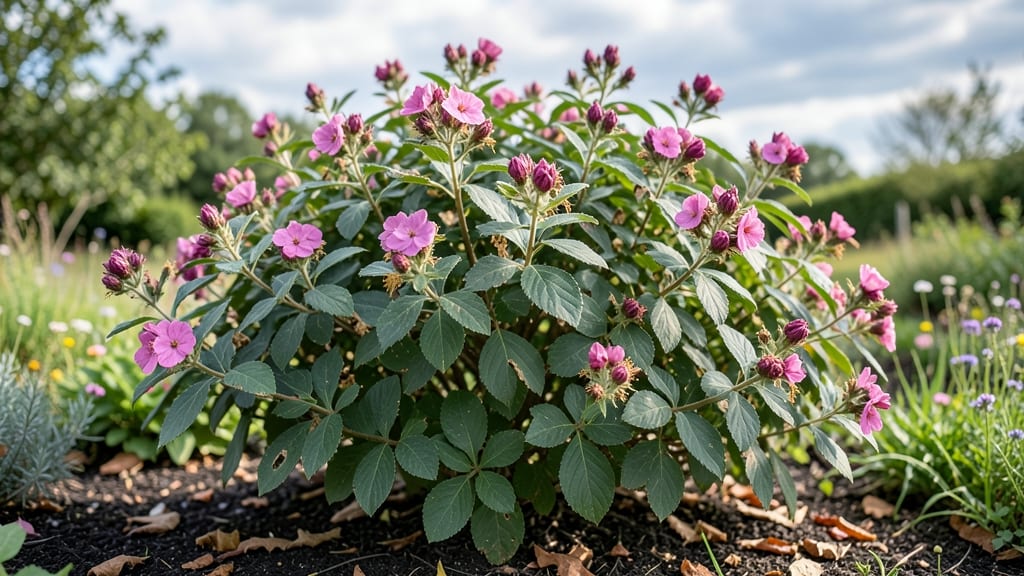
If you've ever wondered "how tall does ninebark grow" and whether it'll soon outgrow your garden plans, you're not alone. This versatile shrub—with its peeling bark and vibrant foliage—can reach anywhere from 3 feet to over 10 feet, depending on the variety and care it receives.
For most gardeners, the key to managing ninebark's height lies in understanding its natural growth patterns. Dwarf varieties like 'Little Devil' stay compact at 3-5 feet, while standard types can soar to 8-10 feet if left unchecked.
The good news? With the right pruning techniques, you can easily shape it to fit your landscape—whether that means keeping it as a low hedge or letting it grow as a striking focal point.
What many homeowners don’t realize is that pruning isn’t just about cutting back—it’s about encouraging healthy, controlled growth. By trimming at the right time and using the proper techniques, you can reduce height by 2-3 feet per year without harming the plant.
This means no more guessing whether your ninebark will stay in bounds or become an unruly giant.
In this guide, I’ll break down everything you need to know—from the fastest-growing cultivars to step-by-step pruning secrets—so you can enjoy a perfectly sized ninebark that thrives in your yard. Let’s get started!


Natural ninebark growth height: what to expect by variety and age
Ninebark (Physocarpus opulifolius) is a versatile shrub that can range from a compact 3-foot dwarf variety to towering 10-foot standards, depending on the cultivar and growing conditions. If you're planning your garden layout, knowing these height variations will help you avoid overcrowding or unexpected overgrowth.
The key to managing ninebark's height lies in understanding its natural growth patterns and how different varieties mature over time.
Most ninebark shrubs reach their mature height between 3 to 10 years, with the fastest growth occurring in the first 3 to 5 years. For example, a standard ninebark might grow just 1-2 feet in its first year but could add 3-4 feet annually in subsequent years.
This rapid early growth is why many gardeners prefer to prune young shrubs to shape them early.
| Variety | Mature Height (ft) | Mature Width (ft) | Growth Rate (First 5 Years) | Best For |
|---|---|---|---|---|
| 'Little Devil' | 3-4 ft | 3-4 ft | 1-2 ft/year | Foundation plantings, small gardens |
| 'Fashion' | 5-6 ft | 5-6 ft | 2-3 ft/year | Privacy screens, mixed borders |
| 'Columnare' | 8-10 ft | 3-4 ft | 3-4 ft/year | Tall hedges, vertical accents |
| 'Diablo' | 6-8 ft | 5-6 ft | 2-3 ft/year | Specimen plant, focal points |
| Standard Ninebark | 6-10 ft | 4-6 ft | 2-4 ft/year | General landscaping, hedges |
If you're planting ninebark near a fence or walkway, choose a dwarf variety like 'Little Devil' to keep it manageable. These compact shrubs stay under 4 feet tall and wide, making them perfect for foundation plantings or container gardening.
Meanwhile, taller varieties like 'Columnare' are ideal for creating privacy screens or adding vertical interest to your landscape.
Sunlight plays a crucial role in determining how tall your ninebark will grow. While ninebark thrives in full sun to partial shade, those planted in full sun tend to grow taller and bushier.
If your shrub is in partial shade, expect slightly slower growth and a more compact shape. This is especially true for varieties like 'Fashion,' which can reach 6 feet in full sun but may stay closer to 4-5 feet in shadier conditions.
Soil quality also influences height. Ninebark prefers well-draining soil with a slightly acidic to neutral pH (6.0-7.0). Poor soil conditions can stunt growth, while rich, organic soil can encourage faster and taller growth.
If your soil is heavy clay or sandy, amending it with compost or peat moss will help your ninebark reach its full potential height.
One common misconception is that ninebark grows at a steady rate every year. In reality, growth rates slow significantly after the first 5 years. For example, a 'Diablo' ninebark might grow 3 feet in its third year but only add 6-12 inches annually afterward.
Planning for this slower growth in later years will help you avoid overcrowding in your garden.
When spacing multiple ninebark shrubs, follow these guidelines: 3-4 feet apart for dwarf varieties, 5-6 feet for medium-height shrubs, and 6-8 feet for taller varieties like 'Columnare.' Proper spacing ensures each plant has enough room to grow to its full height and width without competing for nutrients or light.
If you're unsure which variety to choose, consider your garden's specific needs. Need a low-maintenance hedge? Opt for 'Little Devil.' Want to create a dramatic focal point?
'Diablo' or 'Columnare' will deliver stunning height and structure. Understanding these growth patterns will help you select the perfect ninebark for your space.
Natural ninebark growth height: what to expect by variety and age
Ninebark (Physocarpus opulifolius) is a versatile shrub that can dramatically transform your landscape, but its mature height varies wildly depending on the cultivar and growing conditions.
Most standard varieties reach 6 to 10 feet tall, while dwarf selections like 'Little Devil' stay compact at just 3 to 5 feet. Understanding these differences helps you choose the perfect ninebark for your space.
The first year after planting, ninebark grows slowly—typically 1 to 2 feet—as it establishes roots.
By year three, most varieties shoot up 5 to 6 feet, with rapid growth continuing until they reach maturity. Sunlight exposure and soil quality play huge roles: plants in full sun often grow 20% taller than those in partial shade.
Here’s how popular ninebark varieties compare in terms of mature height and spread:
| Variety | Mature Height | Spread | Growth Rate |
|---|---|---|---|
| 'Diablo' | 6–8 ft | 5–6 ft | Moderate |
| 'Columnare' | 8–10 ft | 3–4 ft | Fast |
| 'Little Devil' | 3–5 ft | 4–5 ft | Slow |
| 'Fashion' | 5–7 ft | 5–6 ft | Moderate |
For compact hedges, opt for dwarf varieties like 'Little Devil' or 'Nugget', which stay under 5 feet tall. If you’re aiming for a privacy screen, taller types like 'Columnare' or 'Centennial' will deliver 8+ feet of height when mature.
Always check the spacing guidelines—planting ninebark too close can lead to overcrowding and stunted growth.
Soil drainage is another critical factor. Ninebark thrives in well-draining soil but can struggle in waterlogged conditions, which slows growth. Amending clay soil with compost or sand ensures healthier, faster development. Mulching around the base also helps retain moisture and encourages steady growth.
Remember, ninebark’s height isn’t set in stone—pruning can dramatically alter its shape and size. With the right techniques, you can keep a 10-foot variety at 6 feet or encourage a 3-foot dwarf to spread wider.
The key is timing and precision—we’ll cover those pruning secrets in the next section! 🌿
Pro tip: If you’re planting near a fence or walkway, leave 3 feet of clearance for standard varieties to prevent future crowding. For dwarf types, 2 feet is plenty. Always measure twice before digging! ✂️