
Size
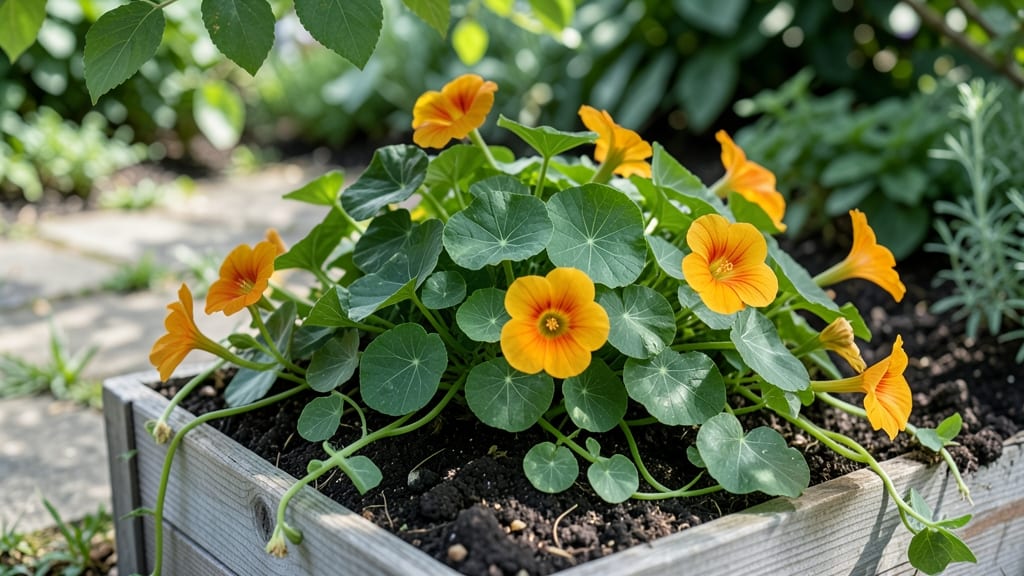
If you’ve ever wondered how tall your nasturtiums 🌸 will grow, the answer might surprise you—these vibrant flowers can range from delicate 6-inch ground covers to towering 3-foot climbers, depending on the variety.
Whether you’re planning a cozy window box or a bold vertical garden, understanding their growth habits is the key to making the most of your space.
Most gardeners assume nasturtiums stay small, but some varieties like Tropaeolum majus can easily reach 2 to 3 feet with the right support, while dwarf types like Tropaeolum minus stay neatly under 1 foot.
The difference comes down to sunlight, pruning, and even soil—so let’s break down how to encourage the height (or keep it compact) that works best for your garden.
You don’t need a green thumb to control their growth—just a few simple tricks, like pinching back leggy stems or training them up a trellis. With the right care, you can turn a sprawling mess into a structured, eye-catching display that blooms all season long. Ready to learn how?
In this guide, I’ll walk you through the height ranges of popular nasturtium types, plus the easiest ways to shape their growth—so you can grow exactly what fits your space, whether that’s a tiny balcony or a sprawling backyard. Let’s get started!


Nasturtium height ranges: from dwarf varieties to climbing giants
Nasturtiums offer a stunning diversity in height, making them perfect for almost any garden space. Whether you're creating a container garden, hanging baskets, or vertical displays, understanding their growth habits helps you plan with precision.
The Tropaeolum majus species alone spans from 6-inch ground covers to 3-foot climbers, while Tropaeolum minus stays compact at just 12-18 inches tall.
For small-space gardens, dwarf varieties like 'Tom Thumb' reach only 6-10 inches tall, ideal for window boxes or fairy gardens. Meanwhile, climbing types such as 'Black Velvet' can stretch up to 10 feet when trained on trellises or fences.
This dramatic range means you can use nasturtiums as ground cover, edging plants, or even vertical accents in just a few seasons.
Here's how their growth habits break down by category, with real-world height expectations and planting scenarios:
| Variety Type | Height Range | Ideal Planting Scenario | Growth Habit |
|---|---|---|---|
| Dwarf Varieties | 6-12 inches | Window boxes, fairy gardens, container edges | Bushy, compact |
| Semi-Dwarf | 12-18 inches | Hanging baskets, small pots, edging | Trailing or bushy |
| Standard Bush | 18-24 inches | Border plants, mixed containers, garden beds | Upright, bushy |
| Climbing Types | 3-10 feet | Trellises, fences, arbors, vertical gardens | Vining, twining |
When selecting varieties, consider your garden's vertical space. For example, 'Alaska' reaches 24 inches and works beautifully as a border plant, while 'Canary Bird' climbs up to 10 feet and thrives on trellises.
Even within the same variety, growth can vary by 10-20% depending on sun exposure and soil fertility.
For container gardening, choose dwarf or semi-dwarf types to prevent overcrowding. A 12-inch pot can comfortably hold 3-5 plants of 'Tom Thumb', while a 5-gallon container might support 1-2 climbing varieties with proper trellis support.
Always leave 2-3 inches of space between plants to allow for airflow and prevent disease.
In ground beds, nasturtiums spread 12-18 inches wide, so space them 12-18 inches apart for bush types. Climbing varieties need 3-6 feet of horizontal space at the base to support their vines.
If you're using them as ground cover, plant seeds 6-8 inches apart for a lush, pest-repelling carpet by midsummer.
One common misconception is that all nasturtiums stay small. In reality, climbing types like 'Black Velvet' can easily outgrow their space if not properly trained.
I once let a Black Velvet nasturtium climb an 8-foot fence without pruning, and by late summer, it had completely covered the structure with deep purple blooms. The key is to prune regularly to control height and encourage bushier growth.
For edible gardens, taller varieties like 'Peach Melba' (up to 2 feet) produce more leaves and flowers for harvesting. These can be trained along small trellises or cattle panels to maximize space.
Always harvest leaves from the bottom of the plant to encourage new growth upward, keeping the plant compact and productive.
If you're new to growing nasturtiums, start with a mix of heights to see what works best in your space. For instance, plant 'Tom Thumb' in a hanging basket near your patio and 'Black Velvet' along a trellis in the corner of your garden.
This way, you'll get both ground-level color and vertical interest without overwhelming your layout.
Remember, nasturtiums grow 30-50% faster in warm climates (USDA Zones 8-10) compared to cooler regions. In Zone 5 or 6, they may only reach 50-70% of their maximum height due to shorter growing seasons. Adjust your spacing and support structures accordingly to accommodate these variations.
Nasturtium height ranges: from dwarf varieties to climbing giants
Nasturtiums offer a stunning variety of heights, from delicate ground-hugging varieties to vining climbers that reach for the sky. Understanding these ranges helps you plan your garden layout—whether you need border edging or vertical accents.
Most nasturtiums fall between 6 inches and 3 feet, but some varieties can stretch even taller with proper support.
For compact gardens, dwarf varieties like 'Tom Thumb' stay under 12 inches, making them perfect for window boxes or container gardens. Meanwhile, climbing types such as 'Alaska' can grow up to 10 feet when trained on trellises or fences.
The key is choosing the right variety for your space and growth goals.
| Variety Type | Height Range | Best For |
|---|---|---|
| Dwarf | 6"–12" | Containers, window boxes, edging |
| Bush | 12"–24" | Borders, mixed beds, pollinator gardens |
| Trailing | 18"–36" | Hanging baskets, trellises, slopes |
| Climbing | 3'–10'+ | Fences, arbors, vertical gardens |
If you're growing nasturtiums for edible flowers or culinary uses, bush varieties like 'Jewel Mix' (12–18 inches) are ideal—they produce abundant leaves and blooms without requiring extra space.
For ornamental displays, trailing types such as 'Black Velvet' (24–36 inches) add dramatic cascading effects in hanging baskets or along garden paths.
One common misconception is that all nasturtiums need full sun to reach their maximum height. While 6+ hours of sunlight is ideal, some trailing varieties can tolerate partial shade, though they may grow slightly shorter.
To maximize height, ensure your plants have well-draining soil and avoid over-fertilizing, which can lead to leggy, weak growth.
For vertical gardening, climbing nasturtiums like 'Canary Bird' thrive when given a trellis or obelisk. These varieties can grow 3–5 feet tall in a single season if pruned regularly to encourage upward growth. Pair them with fast-growing vines like morning glories for a stunning seasonal display.
Whether you're aiming for a low-maintenance ground cover or a show-stopping vertical garden, nasturtiums adapt beautifully to your needs. Start with dwarf varieties for small spaces, then experiment with taller types as you gain confidence—your garden’s height potential is only limited by your creativity! 🌸