
Flowers
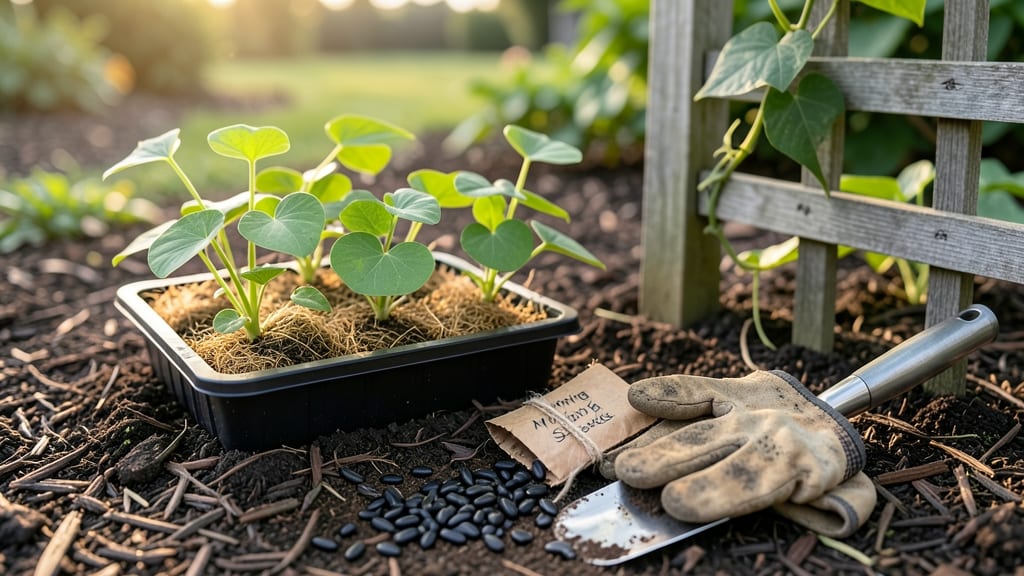
Figuring out when to plant morning glories in Texas isn’t just about picking a month—it’s about nailing the exact weeks after last frost to avoid wilting vines or missed blooms. With Texas’ brutal summers and unpredictable frost dates, even experienced gardeners get it wrong.
But here’s the good news: Morning glories 🌸 are tougher than they look, and with the right timing, you can enjoy vibrant blooms from June through October.
North Texas gardeners (Zones 7b-8a) should start seeds indoors by February 15 or wait until mid-March for direct sowing, while Central Texas (Zones 8a-8b) can plant as early as late March.
South Texas (Zones 9a-10b) has a longer window—April through June—but heat-resistant varieties like ‘Heavenly Blue’ thrive even when planted in late spring. The key? Warm soil (at least 70°F) and patience—these vines grow fast once they get going.
If you’ve ever planted too early and watched your morning glories shrivel in the heat, you know timing matters. But don’t stress—this guide breaks down the perfect planting windows for your specific Texas region, plus pro tips for trellising and watering to keep those 10-foot vines climbing strong.
Ready to turn your garden into a summer-long floral show?
Whether you’re a beginner or a seasoned gardener, mastering the art of planting morning glories in Texas means more than just throwing seeds in the dirt. It’s about working with the climate, not against it.
Let’s get those seeds in the ground at the right time—and watch your garden transform into a dreamy, blooming paradise.
Texas morning glory planting calendar: exact weeks after last frost by region
Morning glories love Texas heat, but timing your planting window is key to avoiding heat stress or missed blooms. Texas spans three distinct climate zones, each with its own last frost date and ideal planting schedule.
Whether you're in North Texas, Central Texas, or South Texas, knowing the exact weeks after last frost ensures your vines thrive.
In North Texas (Zone 7b-8a), the average last frost date is around February 15. This means you should start planting morning glory seeds 4-6 weeks after that date—typically late March to early April.
For Central Texas (Zone 8a-8b), where frost lingers until February 28, aim for March 15 to April 15 to give plants time to establish before summer heat peaks.
South Texas (Zone 9a-9b) gardeners have the longest growing season, with frost rarely occurring after March 15. Here, you can plant as early as April or even stretch into May for fall blooms. Heat-resistant varieties like ‘Heavenly Blue’ and ‘Star of Bethlehem’ handle Texas summers best when planted after soil reaches 70°F.
🌱
| Region | USDA Zone | Last Frost Date | Planting Window | Weeks After Frost | Best Varieties |
|---|---|---|---|---|---|
| North Texas | 7b-8a | Feb 15 | Late March - Early April | 4-6 weeks | ‘Scarlet O’Hara’, ‘Fountain of Beauty’ |
| Central Texas | 8a-8b | Feb 28 | March 15 - April 15 | 4-8 weeks | ‘Heavenly Blue’, ‘Star of Bethlehem’ |
| South Texas | 9a-9b | March 15 | April - May | 2-6 weeks | ‘Alba’, ‘Blue Dawn’ |
For North Texas gardeners, planting too early risks frost damage, while delaying past April may mean shorter blooming seasons.
In Central Texas, the extended window allows for two planting sessions: spring for summer blooms and late summer for fall color. South Texas gardeners can even sow seeds in June for cool-season blooms in fall.
Always test soil temperature with a soil thermometer—morning glories need warm soil (70°F+) to germinate.
If your soil is too cool, try black plastic mulch to warm it faster. Direct sowing is best, but if you start indoors, transplant seedlings after last frost and harden them off for a week.
Pro tip: Mark your calendar for June 1—this is when most Texas varieties begin peak blooming. If you plant too late, you’ll miss the stunning summer displays that make morning glories a Texas garden staple. 🌻
In North Texas, where first frost hits by December 1, you can extend the season by planting heat-tolerant varieties like ‘Scarlet O’Hara’, which blooms prolifically even in 90°F+ heat.
For Central and South Texas, succession planting every 2-3 weeks ensures continuous blooms from June to October.
One common mistake is ignoring microclimates. For example, urban areas often heat up faster than rural spots, so adjust your planting timeline accordingly. If your yard is shadier, opt for ‘Alba’ (white flowers) which tolerates partial shade better than deep blue varieties.
Finally, mulch heavily after planting to retain moisture and regulate soil temperature
Heat-resistant morning glory varieties that thrive in Texas summers
Texas summers can push temperatures to 100°F+, but the right morning glory varieties will bloom beautifully without wilting. The key is choosing heat-tolerant cultivars that handle intense sun and drought-like conditions.
My top picks for Texas gardens include ‘Heavenly Blue’, ‘Scarlet O’Hara’, and ‘Fountain of Beauty’, all of which thrive in Zone 8a-10b climates.
For North Texas (Zone 7b-8a), ‘Scarlet O’Hara’ is a standout—its deep red blooms last longer in heat than most varieties. In Central and South Texas, ‘Heavenly Blue’ is a drought-resistant favorite, producing vibrant blue flowers even when temperatures hit 95°F+.
These varieties don’t just survive Texas summers—they thrive.
🌸
Germinates in 5-7 days in 70°F+ soil. Ideal for North Texas spring plantings.
Drought-tolerant once established. Water every 3-5 days in peak heat.
Trim dead flowers to encourage new blooms. Prune vines back by 1/3 in late summer.
Deep water 1-2 gallons per plant in morning only. Reduce to every 5-7 days in fall.
If you’re planting for fall blooms, try ‘Alba’ (white flowers) or ‘Blue Dawn’, both of which handle late-summer heat better than traditional varieties. For shadier spots, ‘Fountain of Beauty’ tolerates partial shade while still producing abundant blooms.
These varieties don’t require babying—just full sun, well-draining soil, and occasional watering.
To extend the blooming season, use black plastic mulch to keep soil warm and retain moisture. This trick works especially well in South Texas, where June plantings can still yield fall flowers.
Pair your morning glories with a trellis or fence to support their rapid growth—these vines can reach 10-15 feet in a single season!
Pro tip: Succession plant every 2-3 weeks from April to June for non-stop blooms through October. Even in 100°F heat, these varieties will keep producing if you water deeply and mulch heavily. The result? A Texas garden bursting with color all summer long. ☀️
For North Texas gardeners, ‘Scarlet O’Hara’ is my go-to—it blooms prolifically even when other flowers struggle. In Central Texas, ‘Heavenly Blue’ outperforms most varieties in intense heat, while ‘Fountain of Beauty’ adds elegance to partial-shade gardens.
No matter your Texas zone, these varieties deliver stunning results with minimal effort.