
Shrubs
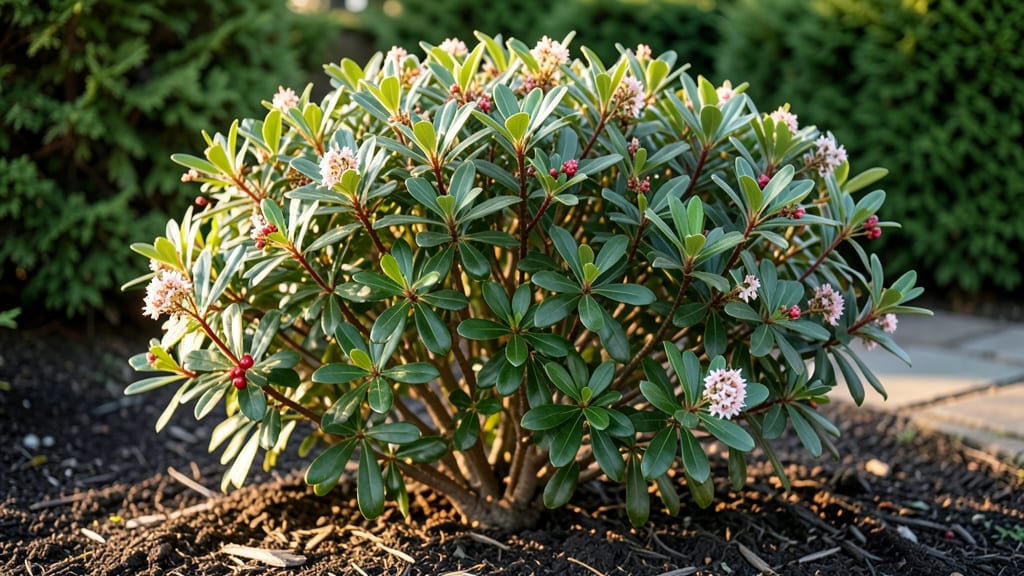
Wondering how tall does Indian Hawthorn grow before it turns your garden into a jungle? This stunning 🌸 shrub can reach heights that might surprise you—some varieties even top out at 12 feet if left unchecked!
But don’t worry, with the right pruning techniques, you can easily shape it into a compact, manageable hedge or ornamental feature.
Indian Hawthorn thrives in USDA Zone 6a and beyond, making it a favorite for spring gardens. Whether you’re planting in April or May, understanding its natural growth habits is key.
Left alone, it can grow 6-12 feet tall, but with strategic pruning, you can keep it at a more manageable 3-5 feet for hedges or borders.
What’s the secret to controlling its height? Timing and technique matter most. Prune in late spring or early summer to encourage bushier growth without sacrificing those beautiful blooms. I’ll show you exactly how to keep your Indian Hawthorn at your desired height while keeping it healthy and vibrant.
Ready to transform your garden with a well-managed Indian Hawthorn? Let’s dive into the pruning secrets that’ll keep this shrub looking its best—no matter how tall you want it to be!


Indian Hawthorn height range: what to expect without pruning
Understanding how tall your Indian Hawthorn (Rhaphiolepis indica) will grow naturally is the first step to planning your garden layout. Without pruning, this shrub typically reaches 6 to 12 feet at maturity, though its growth rate varies based on growing conditions.
In ideal environments with full sun and well-draining soil, you might see it lean toward the taller end of that range, while cooler climates or partial shade can keep it more compact.
The first three years are critical for growth—expect 1-2 feet in year one, 3-4 feet by year two, and 5-6 feet by year three. After that, growth slows as the shrub matures, focusing more on filling out its width rather than height.
This gradual growth makes Indian Hawthorn a fantastic choice for privacy screens or hedges that won’t overwhelm your landscape overnight.
Regional climate plays a huge role in height. In USDA Zones 7-10—where Indian Hawthorn thrives—southern states like Florida or California may see shrubs reaching 10-12 feet without intervention.
Meanwhile, in cooler areas like Zone 7, you might see heights capped at 6-8 feet. The key difference? Warmer climates with longer growing seasons fuel faster vertical growth.
Soil quality also impacts height. Well-draining, slightly acidic soil (pH 5.0-6.0) encourages healthy root development, which in turn supports taller growth. Poor drainage or heavy clay soils can stunt the shrub’s height while making it more susceptible to root rot.
If your soil is on the alkaline side, consider adding peat moss or pine needles to create a more hospitable environment.
Sunlight exposure is another game-changer. Indian Hawthorn craves full sun (6+ hours daily) to reach its full height potential. In partial shade, growth slows, and the shrub may stay shorter but become leggier.
If you’re planting near a fence or building, ensure the north side gets adequate light—otherwise, you might end up with a lopsided, underdeveloped shrub that struggles to reach its natural height.
Now, let’s break down the natural height variations you might encounter based on growing conditions with this quick reference:
| Growing Condition | Expected Height Range | Notes |
|---|---|---|
| Full sun, well-draining soil, warm climate (Zones 8-10) | 8-12 feet | Fastest growth; ideal for privacy screens |
| Full sun, average soil, moderate climate (Zone 7) | 6-8 feet | Slower growth; may need occasional pruning |
| Partial shade, well-draining soil, any climate | 4-6 feet | Leggy growth; less dense foliage |
| Poor drainage or alkaline soil | 3-5 feet | Stunted growth; prone to root issues |
If you’re planting Indian Hawthorn as a hedge, aim for a spacing of 3-4 feet apart to give each shrub room to grow without competing for nutrients. This spacing ensures you’ll achieve a dense, uniform barrier without overcrowding.
For ornamental use, like a focal point in your garden, you can plant them 5-6 feet apart to allow their natural shape to shine.
One common misconception is that Indian Hawthorn will always grow tall—when in reality, its height is highly manageable with proper care. With the right conditions, you can keep it at a compact 3-5 feet by pruning strategically, even if left unchecked, it might reach its full height.
The key is understanding your climate and soil, then adjusting your expectations and care routine accordingly.
For those in cooler climates, don’t be surprised if your Indian Hawthorn grows more slowly. These shrubs are evergreen in warm zones but may drop leaves in winter in colder areas.
This doesn’t stunt their height permanently—once spring arrives, they’ll bounce back with vigorous new growth, often catching up to their expected height over time.
Remember, the natural height of your Indian Hawthorn is just the starting point. With the right pruning techniques—something we’ll dive into next—you can shape it to fit your garden’s needs, whether that’s a 6-foot hedge or a 12-foot privacy wall.
The beauty of this shrub is its adaptability, so don’t let its potential height intimidate you!
Step-by-Step pruning guide to control Indian Hawthorn height
Now that you know how tall your Indian Hawthorn can grow naturally, let’s talk about how to control its height with pruning. The key to keeping this shrub at your desired size is timing and technique. Pruning at the right time encourages bushier growth while preventing leggy, overgrown branches.
I’ve pruned mine for years, and the difference between a wild, unruly shrub and a perfectly shaped hedge comes down to these simple steps.
Start by pruning in late spring or early summer, right after the shrub finishes blooming. This timing ensures you don’t cut off next year’s flower buds, which form on old wood. Use clean, sharp pruners or loppers to make cuts just above a leaf node or bud.
Avoid cutting into old, woody stems—focus on new growth to encourage density. For a 3-5 foot hedge, aim to trim back about one-third of the new growth each year.
Here’s a step-by-step breakdown of how to prune for height control, including the tools you’ll need and when to do it:
- 🌿 Step 1: Gather Tools
Use bypass pruners for small branches and loppers for thicker stems. Sterilize tools with rubbing alcohol to prevent disease spread. - ✂️ Step 2: Remove Dead or Diseased Wood
Cut out any dead, damaged, or crossing branches first. These can harbor pests or block airflow. - 📅 Step 3: Prune for Shape
Trim back overgrown branches to your desired height. For hedges, use a handheld hedge trimmer for even edges. - 🌱 Step 4: Encourage Bushiness
Cut back some of the longest stems to promote side shoots. This creates a fuller, denser shrub. - 🌸 Step 5: Clean Up
Remove all pruned branches and sterilize tools again. Mulch around the base to retain moisture and reduce weeds.
If you’re aiming for a taller, more ornamental look, prune less aggressively—just enough to maintain shape and remove dead wood. For a compact hedge, prune more frequently (every 4-6 weeks during the growing season) to keep it tidy.
I’ve found that light pruning in spring and a heavier trim in early summer works best for balancing height and bloom production.
One pro tip: Never prune in fall, as this can stimulate new growth that won’t harden off before winter, making your shrub more vulnerable to cold damage.
Also, avoid pruning in extreme heat, as the plant can become stressed. Early morning or late afternoon are the best times to prune.
For those who want to revitalize an overgrown Indian Hawthorn, don’t panic—it’s resilient! You can renew it by pruning back up to one-third of its height in late winter or early spring.
This drastic cut will encourage fresh, vigorous growth, though it may take a season or two to fully recover. Just be patient, and your shrub will bounce back stronger than ever.
Remember, the goal is to shape, not stunt. With consistent pruning, your Indian Hawthorn will stay healthy, blooming, and at the perfect height for your garden—whether that’s a 6-foot hedge or a 12-foot privacy screen.
The key is to prune regularly, not drastically, and always with the shrub’s natural growth habits in mind.